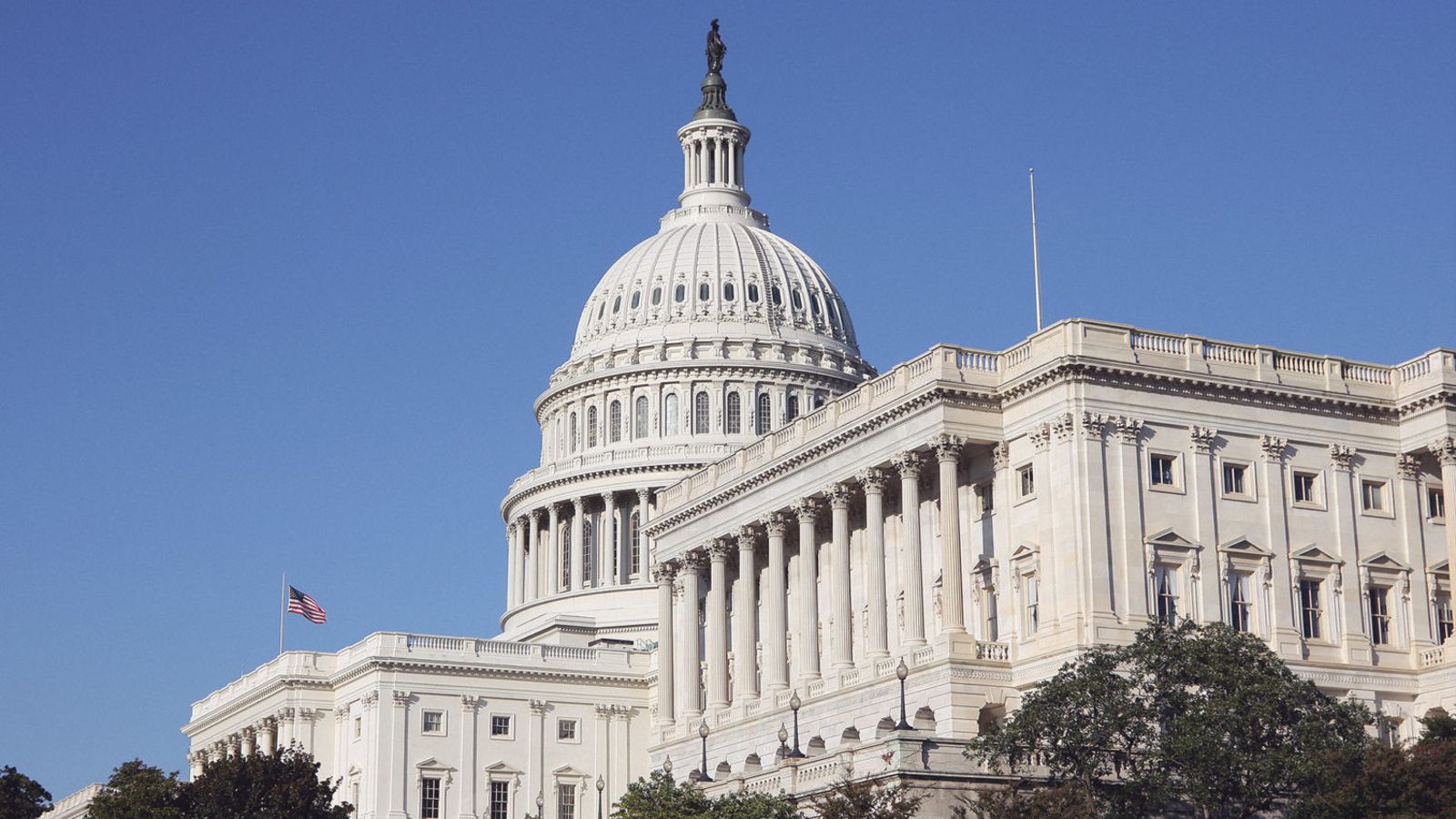
For the last couple of years, the crypto industry has enjoyed something of a political tailwind. We saw a House of Representatives that, for the most part, seemed to get it. There were bills moving through committees that actually attempted to define what a digital asset is without just defaulting to whatever the SEC felt like that morning. Founders felt like they finally had a seat at the table. That era is over. With the recent shift in congressional power, the industry is staring down a Democratic sweep that effectively resets the scoreboard.
The End of the Easy Mode
If you have been building in this space for a while, you know the drill. We go through cycles of being the darling of the tech world to being treated like a collective of scammers. The legislative climate is no different. A unified Congress under Democratic control means the chairs of the most powerful committees—Financial Services and Agriculture—are about to change. The people who were championing innovation-first policies are being replaced by lawmakers who have historically viewed crypto through a lens of consumer protection and risk mitigation above all else.
This is not necessarily a death knell for the industry, but it is a massive reality check. The strategy of just throwing money at PACs and hoping for a friendly regulatory sandbox is not going to cut it anymore. We are moving from a period of proactive legislation to one of defensive survival. For builders, this means the compliance debt you have been ignoring is about to come due with interest.
Why the Switch Matters for Founders
I talk to founders every week who are trying to navigate the bridge between decentralized ideals and real-world utility. Most of them just want clear rules. They do not want to break the law; they just want to know what the law actually is. The problem with a political sweep like this is that the “rules” are about to become a lot more restrictive.
- Increased Oversight: Expect more hearings that focus on the failures of the industry rather than its potential.
- Strict Definitions: The push to label almost everything a security is likely to accelerate, making it harder for projects to launch tokens without a massive legal budget.
- Stablecoin Pressure: Any legislation regarding stablecoins will likely lean heavily toward bank-like requirements, which could squeeze out smaller, innovative issuers.
For a founder, this changes your roadmap. You cannot just build a product and hope for the best. You have to build with the assumption that the most skeptical person in the world is going to be auditing your protocol. If your business model relies on a regulatory loophole that was open in 2023, you need to start looking for a new model now.
The Pivot in Washington Strategy
The industry is already starting to scramble. The lobbyists who were selling access to pro-crypto Republicans are now trying to figure out how to speak the language of the new majority. This is where the strategy gets interesting—and where the industry often fails. For too long, the crypto pitch in D.C. has been about “liberating finance” or “banking the unbanked.” While those are noble goals, they do not resonate with a Congress focused on tax compliance, anti-money laundering, and preventing systemic risk to the traditional dollar.
We are going to see a shift in messaging. The industry will likely stop talking so much about decentralization and start talking about domestic competitiveness and job creation. If we want to survive this sweep, we have to prove that crypto is a net positive for the U.S. economy, not just a playground for speculative trading. The problem is that many projects are not actually doing that yet. They are still building tools for other crypto people, which is a hard sell to a regulator who sees the whole ecosystem as a circular economy of risk.
Building for Resilience
So, what do you do if you are a builder? First, stop waiting for a savior in Washington. The idea that one bill was going to fix everything was always a bit of a fantasy. The reality is that regulation in the U.S. is a slow, grinding process that usually results in compromise that nobody likes. With a unified Congress, that compromise is going to lean heavily toward the side of the skeptics.
“The biggest risk to crypto right now isn’t a ban; it’s a slow strangulation via compliance costs and administrative red tape.”
Builders need to prioritize privacy-preserving compliance tools. If you can prove that you can meet regulatory standards without sacrificing the core principles of your technology, you become an asset rather than a liability. The projects that survive this next era will be the ones that integrated legal reality into their code from day one, rather than trying to bolt it on later.
A Necessary Hardening
In a weird way, this political jolt might be exactly what the industry needs to grow up. When things are easy and the government is friendly, we get lazy. We see a lot of “vaporware” and projects that are just regulatory arbitrage disguised as innovation. When the pressure is on, only the projects with real utility and sustainable models survive.
We are entering a period of “hardening.” The founders who stay in the game will be the ones who can navigate a hostile environment, manage their legal risks, and still deliver value to users. It is not going to be fun, and it is certainly not going to be cheap, but it will separate the true builders from the tourists.
The Takeaway
The Democratic sweep represents a major shift from a pro-innovation climate to a pro-regulation climate. For builders, this is a signal to stop relying on political favor and start focusing on technical and legal resilience. The strategy in Washington is changing because it has to. If you are not adapting your project to handle a more skeptical and aggressive oversight, you are leaving your future in the hands of people who might not want you to succeed.
Read the original at The Block →