We talk a lot about automation in the context of SaaS and AI agents that can barely schedule a calendar invite without a bug. Then you look at what is happening on the surface of Mars. NASA’s Perseverance rover just clocked a drive that pushed its total distance past a major milestone, and it did it using the kind of edge computing that founders should be studying.
On October 11, 2026, which marks sol 2,006 of the mission, the rover covered about 300 feet in a single push. To the average observer, 91 meters sounds like a trip to the mailbox. But on a planet where a signal takes minutes to travel one way and there are no tow trucks, 91 meters is a high-stakes engineering feat. It’s a reminder that while we argue over LLM benchmarks, some of the most important code ever written is currently steering a six-wheeled lab through a desert of jagged basalt and fine dust.
The Logistics of Long-Distance Robotics
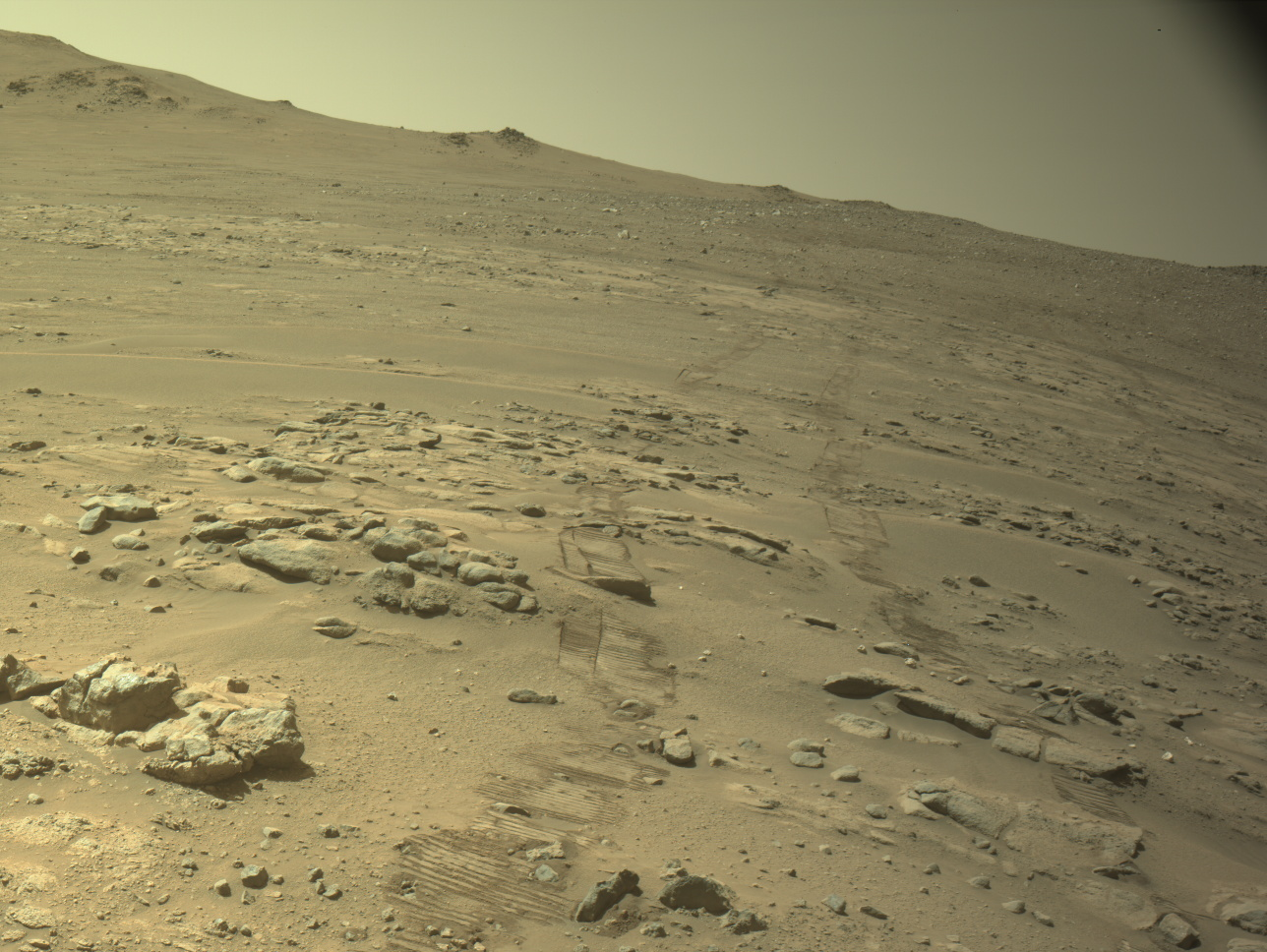
Building for Earth is easy because we have infrastructure. We have GPS, we have 5G, and we have a breathable atmosphere. When you build for Mars, you are building for a disconnected environment. The recent Navcam images showing those deep tread marks in the Martian regolith aren't just cool photos; they are proof of concept for autonomous pathfinding.
Perseverance uses a system called AutoNav. Unlike the older rovers that had to wait for human drivers to map out every single inch of the path via high-resolution satellite imagery, Perseverance creates 3D maps of the terrain in real-time. It detects hazards, plans its own route around rocks, and keeps moving while the humans back at JPL are likely sleeping. For those of us in the tech space, this is the ultimate lesson in decentralized decision-making. The rover doesn’t ask for permission for every turn; it follows a set of high-level goals and executes locally.
Why This Matters for AI Builders
We are currently seeing a massive shift toward "agentic" AI—systems that can take a goal and figure out the steps to get there. Perseverance is arguably one of the most successful agents in history. It isn’t just following a script; it is reacting to an unpredictable environment.
If you are building an AI startup today, the lesson here is about reliability over flashiness. The Navcam images are black and white. They aren't 8K resolution. They are functional. They provide the data needed to ensure the rover doesn't get stuck in a sand trap that would end a multi-billion dollar mission. In the world of crypto and AI, we often get distracted by the "shiny" features. NASA focuses on the features that keep the machine moving. 91 meters on Mars is worth more than 1,000 miles of simulated data because it happened in the real world, under the harshest conditions imaginable.
The Founders Perspective: Resilience is the Metric
As a founder, I look at these milestones and think about technical debt. Every mile Perseverance logs adds wear and tear to its hardware. The mission has lasted over 2,000 sols because the software was built to protect the hardware. We often rush products to market, letting the software break things. On Mars, you can't afford to break things.
The rover’s total distance milestone is a testament to sustainable engineering. We should be asking ourselves: is the code we are writing today going to be functional in two years? Will it handle the "craters" and "rocks" of a shifting market without needing a manual override from the CEO every five minutes?
- Local Intelligence: The rover processes data on-site to avoid latency issues. Your apps should probably do the same.
- Redundancy: Navcams provide the vision, but the logic resides in a robust, tested framework that doesn't hallucinate a clear path where there is a cliff.
- Incremental Progress: 300 feet at a time is how you cross a planet. Big wins are just a collection of small, successful drives.
The tracks left behind on October 11 are going to be there for a long time. There is no wind to blow them away quickly, and no rain to wash them out. It’s a permanent record of what happens when you combine vision with disciplined execution. While the crypto world chases the next pump and AI researchers chase the next parameter count, NASA is quietly proving that the most valuable tech is the tech that actually gets you to your destination.
The goal isn't to move fast and break things; it's to move far and build things that last.
We need more of that Martian grit in our local ecosystems. We need tools that work when the connection is spotty and systems that can navigate obstacles without a handbook. Perseverance isn't just a rover; it's a blueprint for how we should be thinking about the next generation of autonomous tech.
The Takeaway
Don’t get caught up in the hype of how fast you can grow. Focus on how far you can go. NASA just showed us that even at 91 meters a day, you can eventually conquer a world if your navigation is sound and your build is resilient.
Read the original at NASA Breaking News →