The Plumbing of Power
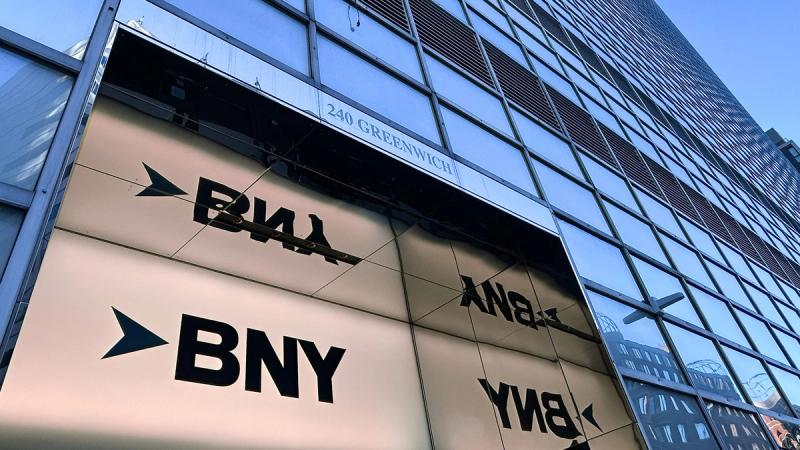
Wall Street has a plumbing problem. If you look at the shiny interface of a modern trading app, it feels like money moves at the speed of light. But under the hood, the actual settlement of U.S. Treasuries—the bedrock of global finance—is still bogged down by legacy systems that feel more like the 1970s than the 2020s. This is why the recent pilot involving BNY and Citadel Securities matters more than your typical blockchain press release.
They aren't just playing with crypto for the sake of it. They are testing how to use tokenized government bonds to solve a specific, expensive friction point: the time it takes to move collateral between settlement systems and financing desks. For a firm like Citadel Securities, which moves massive amounts of volume, every second that capital is locked up in transit is a second that money isn't working. In a high-interest-rate environment, that inefficiency is a tax on operations.
Why Treasuries are the First Domino
Builders often ask me why the big banks are obsessed with tokenizing Treasuries instead of more exciting assets. The answer is simple: liquidity and utility. Treasuries are the primary collateral used in the repo market, where trillions of dollars are borrowed and lent overnight. If you can make a Treasury bond move as fast as a digital token, you unlock the ability to settle trades almost instantly.
Currently, moving these assets involves a sequence of manual checks, central securities depositories, and legacy ledger updates. By putting these bonds on a blockchain, BNY and Citadel are testing a world where the asset and the payment move simultaneously—what the industry calls atomic settlement. This eliminates the risk that one side of the trade fails to deliver, which in turn reduces the amount of capital firms need to keep on hand as a buffer.
The Founder's Skepticism
Let’s be real for a second. We’ve seen "blockchain for finance" pilots for nearly a decade. Most of them die in the proof-of-concept graveyard because they try to replace entire ecosystems overnight. The reason this specific test has legs is that it focuses on a boring back-office process rather than trying to launch a new currency or upend the regulatory status quo.
However, builders should remain skeptical of the timeline. Moving from a successful test with two giants to a systemic change across Wall Street involves clearing massive regulatory hurdles. The SEC and the Fed aren't going to let the plumbing of the U.S. economy move to a distributed ledger without years of stress testing. The tech is ready; the institutions are not.
What This Means for Builders
If you are building in the RWA (Real World Asset) space, this is your green light. The narrative is shifting from "crypto is a casino" to "blockchain is a better ledger for boring things." But you need to understand the constraints these big players are working under. They aren't looking for decentralized, permissionless protocols. They are looking for privacy, compliance, and speed.
Opportunities for founders aren't necessarily in creating the tokens themselves—the banks will handle that. The opportunity lies in the middleware. How do you bridge these private institutional ledgers? How do you provide analytics on top of tokenized collateral? How do you handle the identity layer in a way that satisfies both the bank’s compliance department and the efficiency requirements of a high-frequency trader?
The Collision of AI and On-Chain Assets
There is a secondary layer here that most people are missing. As we move toward AI-driven trading agents, those agents need assets that can settle instantly. An AI model can execute a strategy in milliseconds, but if the underlying asset takes two days to settle (T+2), the AI’s speed is wasted. Tokenized Treasuries are the fuel for the next generation of automated finance.
We are moving toward a world where collateral is programmable. Imagine a smart contract that automatically rebalances a portfolio based on real-time volatility, moving tokenized Treasuries in and out of positions without a human ever touching a settlement button. That’s the end game. BNY and Citadel are just laying the first few bricks of that foundation.
The Takeaway
Don't get distracted by the word "blockchain" in these headlines. This isn't about crypto-anarchy; it’s about capital efficiency. Wall Street is tired of leaving money on the table due to slow technology. For builders, the message is clear: the most valuable problems to solve right now are the ones that make the existing financial system faster and cheaper, even if they aren't the most glamorous.
The future of finance isn't just digital; it's liquid. If an asset can't move at the speed of data, it's a liability in a high-speed world.
We are watching the slow-motion upgrade of the world's most important financial engine. It won't happen tomorrow, and there will be plenty of friction along the way, but the direction of travel is undeniable. Focus on the plumbing, and you'll find where the real value is being created.
Read the original at CoinDesk →