The Living Room is the Newest Front Line
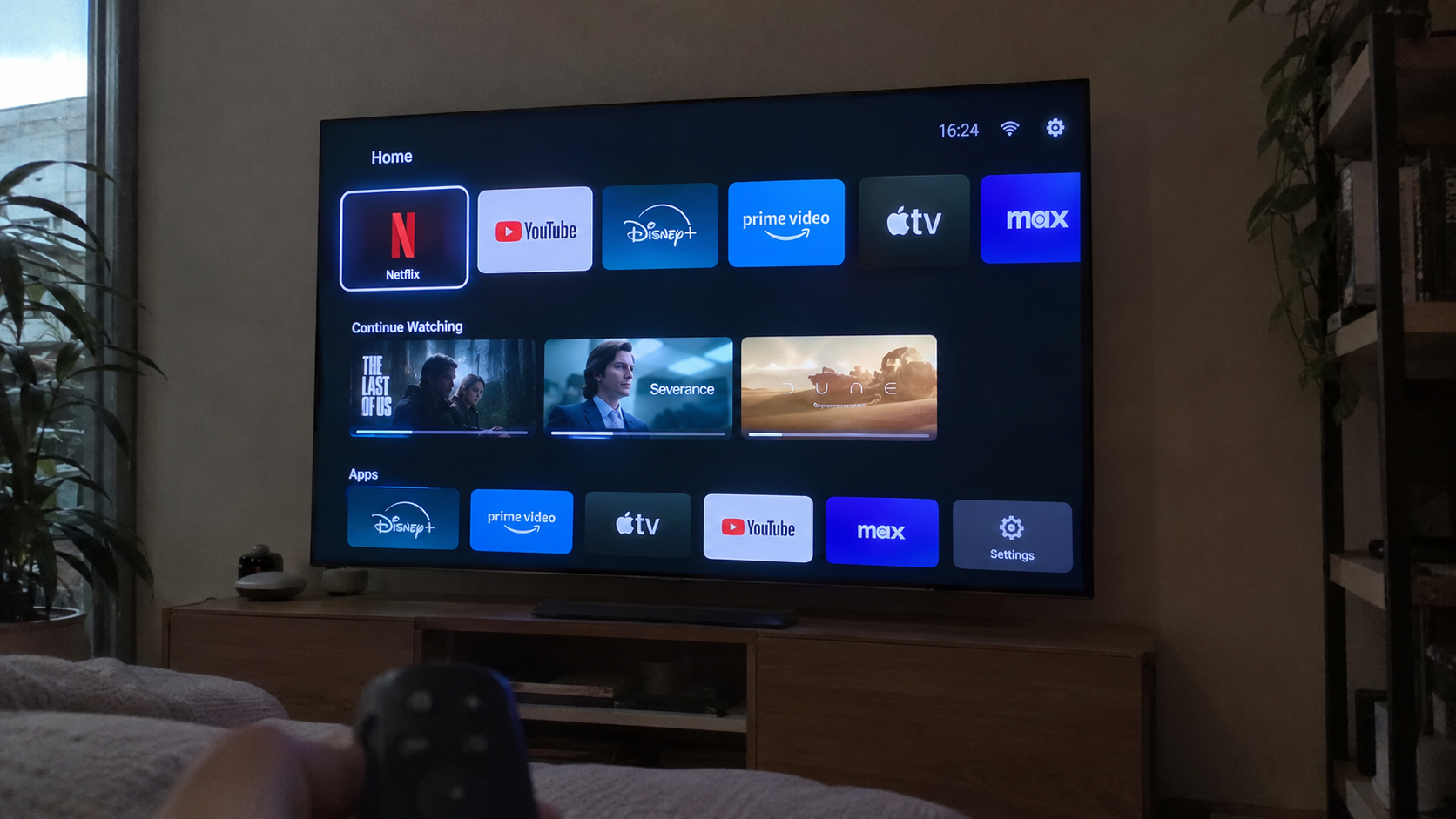
For the last decade, we have accepted a bad trade. We bought cheap televisions, and in exchange, we turned our living rooms into billboards. You turn on your TV to watch a movie you paid for, but first, you have to scroll past three rows of "sponsored content," auto-playing trailers, and data-harvesting widgets you never asked for.
Hardware companies stopped being hardware companies a long time ago. Now, they are data brokers that happen to sell glass panels. But the tide is turning. A new trend, which some are calling "vibe coding," is letting regular users reclaim their screens without needing a computer science degree. By using tools like Claude Code, people are stripping the bloatware out of their Android TVs and building their own interfaces.
The End of the Technical Gatekeeper
In the old days of tech, if you wanted to modify your device, you had to visit sketchy forums, download custom firmware, and risk "bricking" your $800 investment. It was high-risk, high-reward, and mostly reserved for the most technical among us. Founders and builders loved it, but the average consumer was left out in the cold, stuck with whatever junk the manufacturer pre-installed.
AI has changed the math. The recent viral movement involving Claude Code proves that you no longer need to know the specific syntax of Android Debug Bridge (ADB) commands to fix your hardware. You just need to know what you want. Users are feeding prompts into AI agents that essentially act as a translator between human intent and machine code. The result is a clean, ad-free experience that doesn't require root access or permanent hardware changes.
Why This Matters for Builders
If you are building in the crypto or AI space, this is a massive signal. We often talk about "decentralization" and "user agency" as abstract concepts, but this is what it looks like in practice. It is the ability for an individual to say "no" to a multi-billion dollar corporation's software defaults.
For founders, there are three main takeaways here:
- Interface is the new battlefield: Users are tired of being treated like products. If you build a platform that respects user attention, you win.
- AI as a Utility, not just a Chatbot: The most successful AI applications won't just generate text; they will act on the world. Claude Code isn't just talking; it is executing.
- The Reversibility Factor: One reason this specific "vibe coding" trend is taking off is that it is reversible. Builders should note that users are more willing to experiment when the stakes of failure are low.
The Death of the Ad-Supported Model?
We have to be honest about why these ads exist. TV manufacturers operate on razor-thin margins. They sell you the hardware at near-cost because they know they can make the money back by selling your viewing habits to advertisers. When users start stripping these trackers and ads away, the business model breaks.
As a founder, I see this as a healthy correction. The "freemium" or subsidized model of hardware has led to a degraded user experience. We are reaching a breaking point where the annoyance of the ads exceeds the value of the subsidy. When AI makes it this easy to opt-out, the industry is forced to innovate or find a more honest way to charge for their products.
"Vibe coding is essentially the democratization of dev-ops. It allows the user to define the vibe of their hardware, rather than accepting the one forced upon them by a corporate marketing department."
The Risks of the AI Shortcut
I am a skeptic by nature, and while I love seeing users take back control, we should be careful. When you run code generated by an AI to modify your system settings, you are trusting the AI's logic. Right now, these prompts are focused on disabling packages like "com.google.android.tungsten.setup" and other telemetry tools. It’s relatively safe, but it sets a precedent.
We are moving toward a future where we don't really know how our devices work; we just tell an AI to make them work the way we want. This is a double-edged sword. It empowers the user in the short term, but it further abstracts our understanding of the technology we rely on. As builders, our job is to ensure these AI agents remain transparent and that the "vibe" they are coding remains in the user's best interest.
A Founder's Perspective on Hardware Control
I’ve spent years looking at how builders can disrupt established industries. Usually, it takes a massive capital injection and a new product. But this is different. This is a software layer disrupting existing hardware from the bottom up. It’s a grassroots movement powered by Large Language Models.
If I’m Google or Samsung, I’m sweating right now. Not because a few thousand people are hiding ads, but because the technical barrier to entry for customizing their proprietary ecosystems has just collapsed. Once people realize they don't have to accept the default, they start questioning every other default in their lives—from their banking apps to their social media feeds.
The Takeaway
The era of "take it or leave it" software is ending. Whether it’s through crypto-powered decentralized networks or AI-driven local customization, the power is shifting back to the person holding the remote. If you are building tools in this space, focus on agency. Give the user the knobs and dials. If you don't, they will just use an AI to build their own.
Stop trying to capture attention through force. Start earning it through utility. The people have found the delete button for your ads, and they aren't going to stop at their TVs.
Read the original at Decrypt →