We have spent the last decade watching Elon Musk build a fragmented empire. You have the car company that thinks it is a robotics company, the rocket company that controls the satellite internet, and the social media platform that wants to be a bank. For years, the official line was that these entities needed to be separate to manage risk and keep incentives clean. That script is changing.
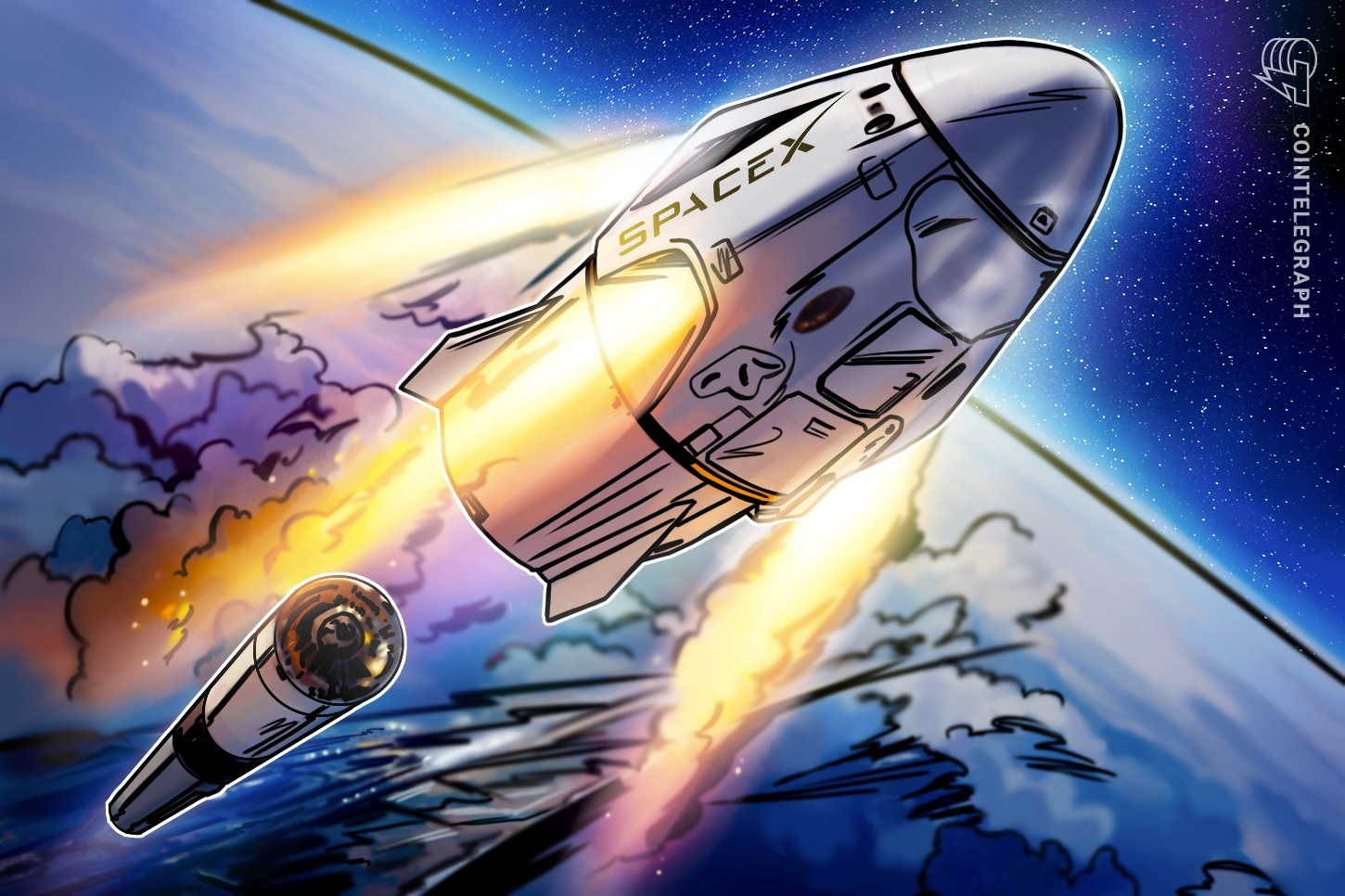
Musk recently signaled that merging Tesla and SpaceX is a move he considers a good idea. This is not just a casual comment from a founder; it is a strategic pivot that reflects the new reality of the AI arms race. When revenue from artificial intelligence starts jumping by multiples, the walls between these companies start to look like obstacles rather than safeguards.
The Consolidation of Compute
From a builder's perspective, this is about the underlying infrastructure. Right now, Musk is running AI development across multiple silos. X (formerly Twitter) provides the massive datasets through real-time human conversation. SpaceX provides the global connectivity and hardware deployment capabilities. Tesla provides the edge-case physical robotics and the massive GPU clusters needed for training.
By suggesting a merger, Musk is looking to solve the problem of fragmented compute. If you are building high-level intelligence, you do not want to negotiate inter-company service agreements every time you need to move data from a satellite to a self-driving car. You want a single balance sheet and a unified engineering team. For those of us in the crypto and AI space, this smells like the ultimate vertical integration play.
Why the Walls are Coming Down
The numbers are driving this conversation. AI-related revenue is reportedly skyrocketing, seeing ninefold increases in specific sectors of the Musk ecosystem. When a secondary product line starts outperforming the core legacy business, the structure of the business has to evolve. Tesla is no longer just selling sedans; it is selling the promise of autonomous labor. SpaceX is no longer just launching payloads; it is becoming the backbone of a global data network.
For founders, the lesson here is about resource efficiency. Musk realized that having his best AI researchers split between different corporate entities was slowing down the deployment of Grok and other models. A merger simplifies the talent pool. It allows a developer to work on a vision system for a humanoid robot in the morning and a navigation system for a lunar lander in the afternoon without legal friction.
The Skeptic's Corner: Governance and Risk
We need to be honest about the downsides. Merging a publicly traded company like Tesla with a private giant like SpaceX is a regulatory nightmare. Tesla shareholders have already expressed frustration over Musk's attention being divided. Bringing SpaceX into the fold might give Tesla access to incredible tech, but it also ties the car company’s fate to the high-risk world of aerospace.
There is also the question of "AI wash." We see this a lot in the web3 space—companies slapping a new buzzword on an old business model to pump the valuation. While the revenue growth Musk is citing is impressive, we have to ask how much of that is sustainable and how much is internal accounting between his various subsidiaries. If Tesla is paying X for data, and X is paying SpaceX for bandwidth, is it new money or just a circular economy?
What This Means for the AI Ecosystem
If this merger happens, it creates a massive gravity well for talent. A unified "Musk AI" entity would be one of the few places on earth where a developer has access to proprietary data from a social network, real-world physics data from millions of cars, and global telecommunications infrastructure. That is a formidable moat that even Google or Meta would struggle to cross.
For those building in the decentralized AI space, this is a call to action. We are seeing the birth of a centralized AI superpower. The more these legacy and frontier tech companies merge, the more important it becomes to develop open, permissionless alternatives. If one man controls the cars, the satellites, and the AI that runs them both, the need for decentralized checks and balances becomes a necessity, not a luxury.
The Founder's Takeaway
Do not get distracted by the headline-grabbing nature of a potential mega-merger. The real story is the transition from hardware-first to intelligence-first business models. Musk is admitting that the hardware (the cars and rockets) is becoming a commodity, while the software (the AI) is where the actual value resides.
- Integration is the new innovation: Success in the next five years will not come from building a better tool, but from building a better ecosystem where tools talk to each other seamlessly.
- Data remains king: The ninefold jump in AI revenue proves that if you own the data pipeline, you can print money regardless of what the broader market is doing.
- Watch the regulatory fallout: If this merger proceeds, it will set the precedent for how AI companies are allowed to scale across different industries.
Ultimately, Musk is betting that he can build a feedback loop so tight that no competitor can enter. He wants the data from the rockets to train the cars, and the cars to provide the scale for the AI. It is a bold move, but for the rest of us, it is a reminder that the siloed way of building is dying. If you aren't thinking about how your AI integrates with physical infrastructure and global networks, you are already behind the curve.
Read the original at Cointelegraph →