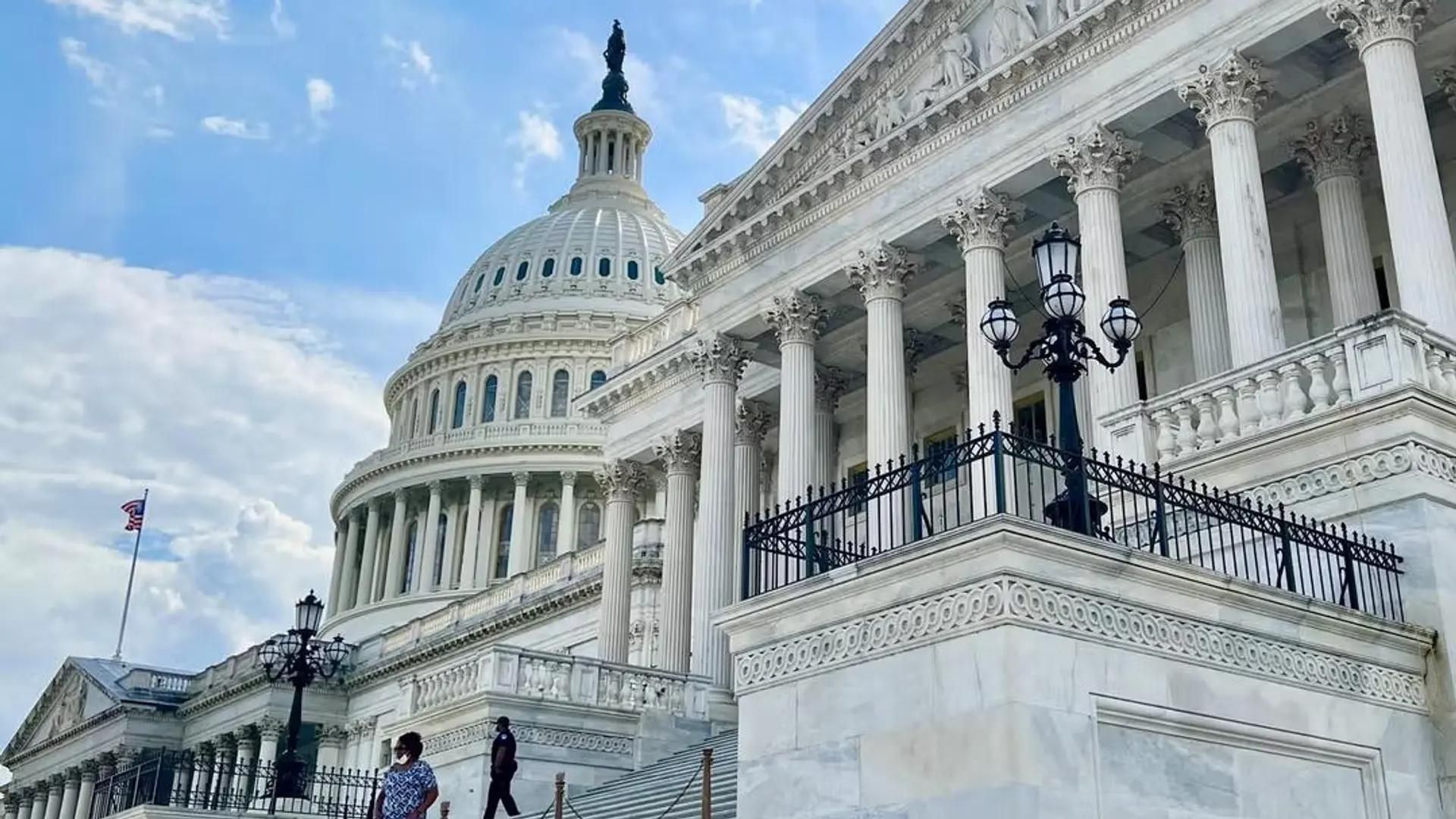
The Policy Ghost in the Machine
We have been here before. If you have spent more than six months in the crypto space, you are likely familiar with the cycle of the legislative breakthrough that never quite breaks through. This week, the rumors are swirling again around the Clarity Act. According to sources close to the process, a fresh draft of this market structure bill could hit the floor as early as next week. It is a final push for action before the late-July recess, a period when D.C. slows down to a crawl and real work usually goes to die.
As a founder, it is easy to tune this out. We have products to build, users to acquire, and bugs to squash. But this specific bill is trying to answer the one question that keeps every legal team awake at night: when does a digital asset stop being a security and start being a commodity? If you are building a protocol, the answer to that question determines whether you can operate in the U.S. or if you need to buy a one-way ticket to Lisbon.
What the Clarity Act Actually Promises
The core of the Clarity Act is an attempt to create a rulebook for how the SEC and the CFTC split the bill. Right now, we have a turf war. The SEC views almost everything as an investment contract, while the CFTC is fighting for a seat at the table to regulate what they consider digital commodities. For a builder, this means you are caught in the crossfire. You might satisfy one regulator only to get a Wells notice from the other.
The new version of the bill reportedly aims to streamline this by providing a clear pathway for decentralized projects to graduate out of the SEC's oversight. The idea is simple: if your network is sufficiently decentralized, you shouldn't be governed by rules written in 1933 for orange groves. But the devil is always in the details, and in Washington, the details are currently a mess.
The Bipartisan Problem
Here is the skeptical take: the bill still lacks significant bipartisan buy-in. In the current political climate, a crypto bill without a healthy dose of signatures from both sides of the aisle is essentially a press release. It might satisfy a specific donor base or look good on a campaign flyer, but it won't become law. Insiders are signaling that while the Republican side is pushing hard for a vote, the Democratic leadership remains hesitant. Without that bridge, we are looking at another legislative dead end.
This is where builders need to be careful. Do not rewrite your roadmap based on the hope of this bill passing by the end of the month. The timelines in D.C. are not the same as the timelines in a sprint cycle. If you are waiting for a law to tell you it's safe to launch, you might be waiting for years.
The Founder's Dilemma: Move Fast or Wait for Permission
When I talk to founders, the sentiment is usually split. One group wants to wait for the rules to be clear so they don't end up like Ripple or Coinbase. The other group believes that the technology moves faster than the law, and the best way to change the law is to build something so useful it becomes impossible to ban. I tend to lean toward the latter, but with a heavy dose of pragmatism.
The Clarity Act matters because it represents the first real effort to acknowledge that crypto isn't just a subset of traditional finance. It is a new stack. If the bill manages to get legs, it could mean lower compliance costs for startups. Right now, the cost of decentralization isn't just technical; it's a massive legal bill. You have to pay lawyers six figures just to tell you if your token launch is a felony.
- Compliance as a product: Builders should look at these bills to see where the regulatory winds are blowing, even if they don't pass. The language used in these drafts often ends up in future court rulings.
- Risk management: If the bill fails again, expect the SEC to get more aggressive. They view legislative inaction as a green light to continue their enforcement-first approach.
- Capital efficiency: Every dollar spent on a D.C. lobbyist is a dollar not spent on engineering. For most startups, it's better to focus on building a resilient, geographically agnostic product than betting on a single bill.
The July Deadline Myth
The rush to get a vote before the end of July is a classic political tactic. It creates a sense of urgency where there might not be any real momentum. The reality is that the election cycle is rapidly approaching. Once we hit August, the focus shifts entirely to the polls. Anything that hasn't cleared the hurdle by then is likely dead until the next Congress takes office in 2025.
If you are an investor, this lack of clarity is a risk factor you have to price into every deal. If you are a builder, it is a constraint you have to design around. We want the Clarity Act to work. We want a world where a founder can launch a decentralized network without a law degree. But we have to deal with the world as it is, not as it's written in a draft bill that still hasn't secured a floor vote.
The biggest mistake a founder can make is assuming that the lawmakers understand the tech as well as the users do.
Most of the people voting on this bill couldn't explain the difference between an AMM and an order book. They are looking at this through the lens of consumer protection and national security. They aren't thinking about how this affects your gas optimization or your governance structure. They are thinking about headlines.
The Bottom Line for Your Project
Do not wait for Washington to save you. The Clarity Act is a step in the right direction, but the lack of bipartisan support makes it a shaky foundation to build a business on. If the bill drops next week, read the text for what it tells you about the government's fears. Use it as a map of where the landmines are buried, but keep your eyes on your users.
The best defense against bad regulation has always been a large, engaged, and decentralized community. If you have that, you have leverage. If you have a whitepaper and a hope that the Clarity Act passes, you have a problem. We will keep watching the Hill, but the real innovation is still happening in the repos, not the rotunda.
Read the original at CoinDesk →