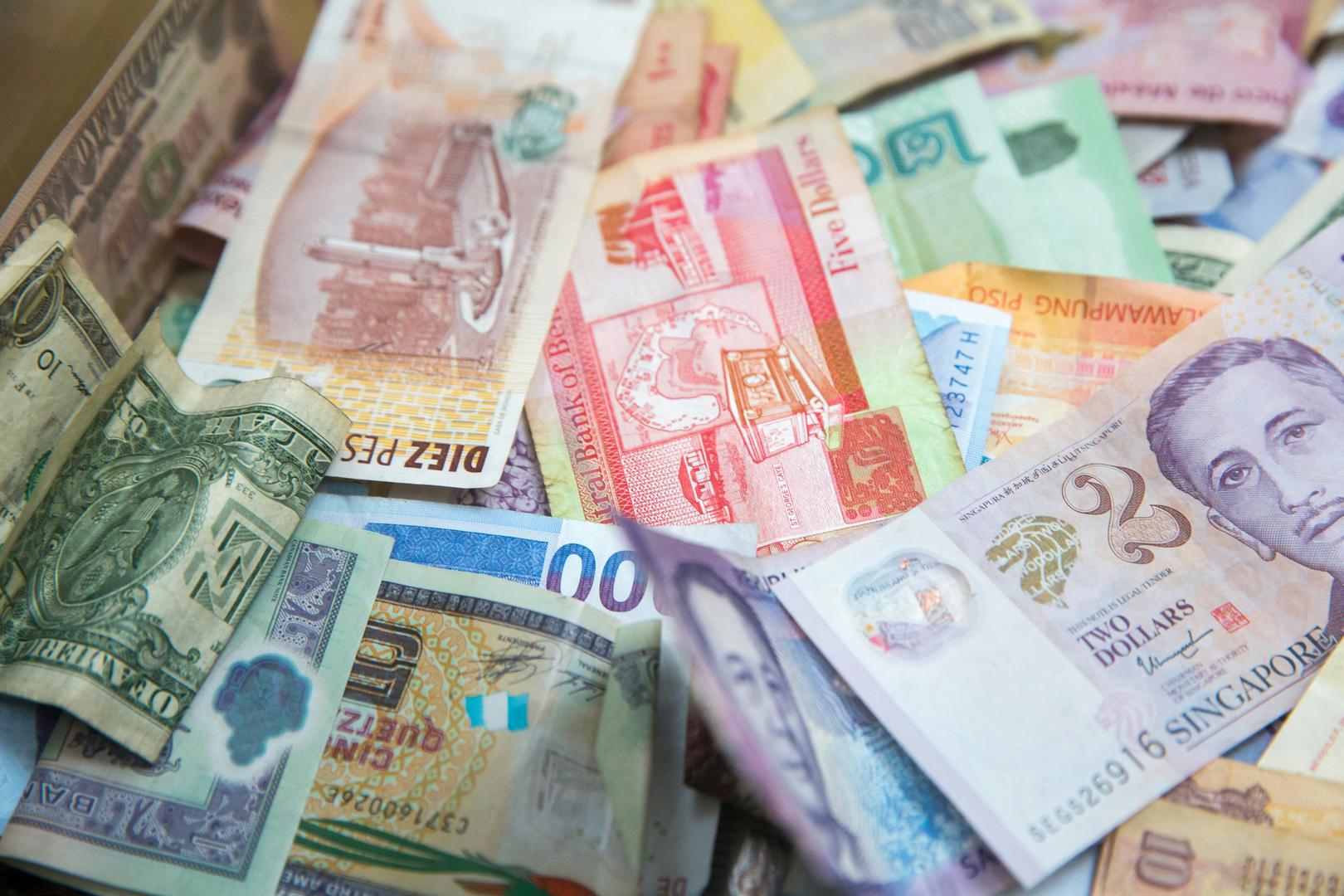
We talk a lot about the math of Bitcoin being absolute, but we often forget that the price we see on our screens is just a reflection of the currency used to buy it. Right now, a quiet split is happening in the markets. If you are looking at the charts in U.S. Dollars, everything looks stable, maybe even slightly bullish. But if you look at those same charts in Japanese Yen, the story is completely different.
For the first time in a long time, we are seeing Bitcoin settle into a range in the West while it actually loses ground in the East. This isn't because people in Japan have suddenly lost faith in digital assets. It is because the Yen is waking up from a long, painful slumber. This shift matters to those of us building in this space because it exposes the fragile relationship between crypto and global fiat liquidity.
The Yen Intervention Reality
For months, the Yen has been the punching bag of the global economy. It was the ultimate carry trade currency: borrow it cheap, sell it for high-yielding assets elsewhere. But the Japanese government and the Bank of Japan appear to be drawing a line in the sand. Speculation about currency intervention has sent the Yen on a sudden rally, and that move is rippling through the crypto markets.
When a base currency like the Yen strengthens rapidly, the price of an asset denominated in that currency naturally drops, even if the asset's intrinsic value hasn't changed. This is basic market mechanics, but the scale of the current divergence is what catches the eye. While Bitcoin holders in the States are seeing green or neutral candles, Japanese traders are seeing significant pullbacks. It is a reminder that Bitcoin is not just a tech play; it is a global liquidity gauge.
Why Builders Should Care About FX Volatility
If you are building a product, launching a token, or managing a treasury, you might think the USD/JPY exchange rate is someone else's problem. It isn't. Crypto is a global game, and Japan has one of the most established regulatory frameworks and retail bases in the world.
When the Yen strengthens, it often signals a tightening of global liquidity. The cheap money that fueled the risk-on environment is being pulled back. For founders, this means the cost of capital is changing. The "easy" money from the carry trade is dryng up, and that usually translates to lower valuations and tighter runways for startups that haven't found a real path to sustainability yet.
- Diversification isn't just about assets: It is about where your liquidity lives. If your user base or your funding is concentrated in a single currency zone, you are at the mercy of central bank policy.
- The "Digital Gold" Narrative: We often claim Bitcoin is a hedge against currency debasement. While true over the long term, in the short term, Bitcoin still acts like a high-beta asset. If a major currency strengthens, Bitcoin's price in that currency will suffer.
- Arbitrage Opportunities: These splits create gaps. While institutional traders usually close these windows fast, persistent divergence between USD and JPY pairs shows where the real pressure is building in the system.
The Myth of the Global Price
There is no such thing as a single price for Bitcoin. There is only the price at which someone is willing to sell it to you in your local currency. When the Yen moves this aggressively, it breaks the illusion of a uniform global market. This is a stress test for cross-border payment platforms and DeFi protocols that rely on stable price feeds.
I have seen too many founders ignore the macro environment until it hits them in the face. If you are running an exchange or a multi-currency wallet, this divergence is a feature, not a bug. It proves that the market is still fragmented and that currency risk is a very real thing in the so-called borderless world of crypto.
The Psychological Shift
There is also a psychological element at play. For years, Japanese investors have used Bitcoin as a way to escape a weakening local currency. As the Yen gains strength, that specific incentive diminishes slightly. We are seeing a shift in sentiment. Instead of purely fleeing fiat, investors are now calculating whether the Yen itself is becoming a viable place to park wealth again.
This doesn't mean the bull case for Bitcoin is over. Far from it. But it does mean the "up only" narrative driven by fiat collapse is getting more complicated. We have to be more honest about what is driving the price. Is it adoption? Or is it just the fluctuating value of the paper money we use to measure it?
A Lesson in Market Resilience
The fact that Bitcoin hasn't plummeted in USD terms while the Yen rallies is actually a sign of resilience. In previous cycles, a sharp rise in a major global currency would have sent the entire crypto market into a tailspin. The fact that the USD pairs are holding firm suggests that the demand in the West is disconnected from the liquidity shifts in the East.
However, builders shouldn't get complacent. This split is a warning shot. It tells us that the global economy is in a state of flux. Interest rates, inflation targets, and currency interventions are the real masters of the trend right now. If you are building for the long haul, you need to be looking at these indicators just as closely as you look at your git commits.
The most dangerous thing a founder can do is assume that the market will always be liquid and that the price of their assets is a constant.
We are entering a phase where the nuance of individual markets matters more than the broad trend. The Yen's move is a reminder that the world is bigger than the Silicon Valley bubble. To survive this, we need to focus on utility and real value, rather than just riding the waves of currency fluctuations.
The Strategic Takeaway
Don't be distracted by the green or red on the USD chart today. Look at the underlying strength of the Yen. It is telling you that the era of free-flowing, low-interest liquidity is facing a major challenge. Secure your treasury, watch your cross-border exposures, and stop assuming that the dollar is the only currency that dictates the future of this industry. The split is quiet now, but the implications for the next year of building are deafening.
Read the original at CoinDesk →