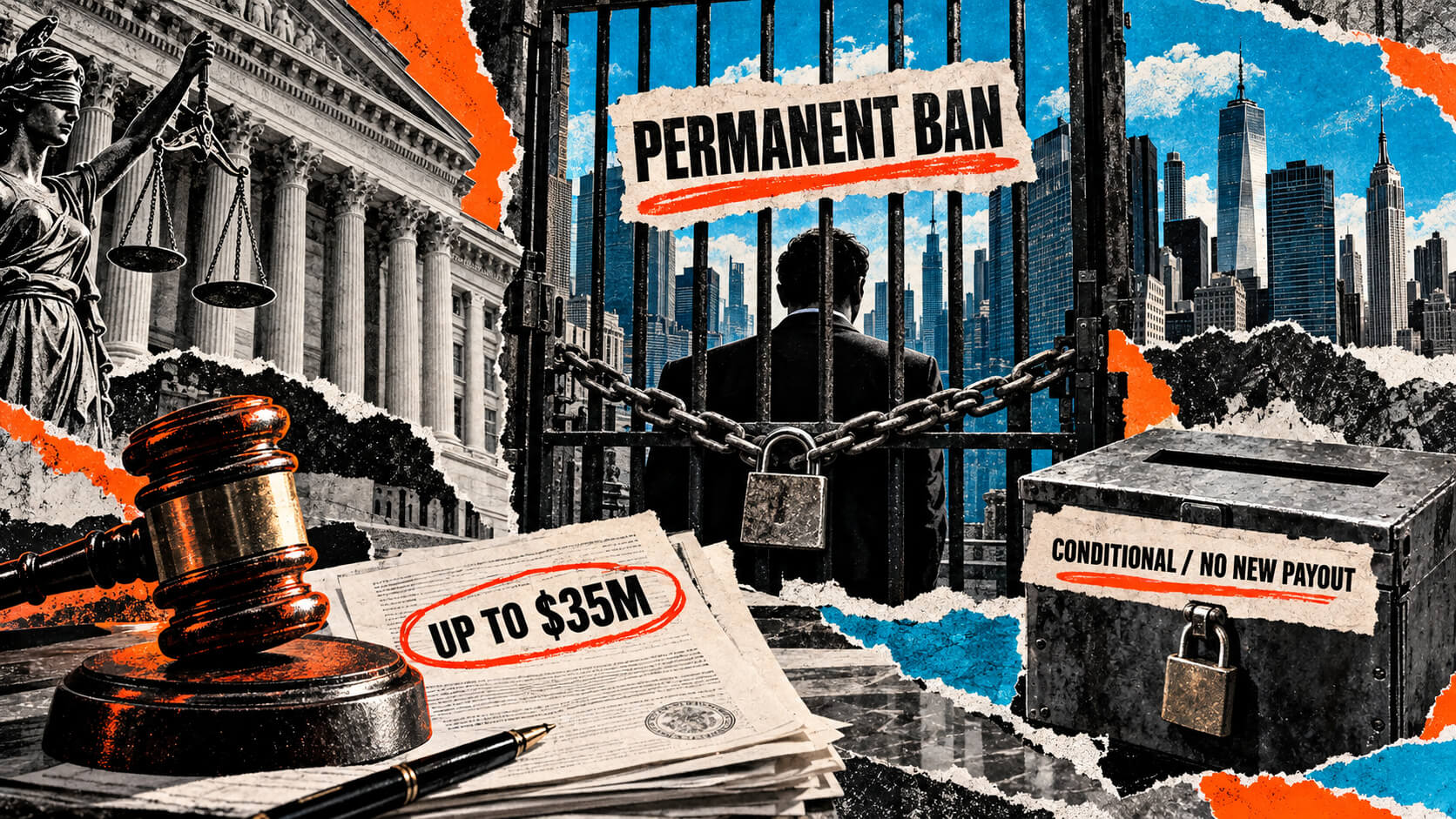
The cleanup from the 2022 contagion continues, and this time the bill has come due for one of the most vocal advocates of the yield-chasing era. New York Attorney General Letitia James just finalized a deal with Alex Mashinsky, the former CEO of the collapsed lender Celsius Network. It is not just about the money; it is a permanent eviction notice from the state’s financial sector.
For those of us who spent the last cycle watching founders promise high yields while downplaying risk, this settlement feels like the end of a long, painful chapter. But for builders, it is more than just a headline about a bad actor. It is a blueprint for how regulators plan to handle founders who prioritize growth over solvency.
The Cost of Total Failure
The terms of the settlement are structured like a tiered penalty system. Mashinsky is on the hook for up to $35 million. The breakdown is specific: he owes New York $25 million if he fails to forfeit $10 million in other proceedings, and another $10 million is effectively a bond on his future behavior. If he does not serve the full duration of whatever criminal sentence he eventually receives, that extra $10 million becomes due immediately.
But the money is secondary to the ban. Mashinsky is now barred from serving as an officer or director for any company in New York. He is also banned from the securities and commodities industries in the state. In a world where New York remains the hub for traditional and digital finance, this is a career-ending move. He cannot manage money, he cannot lead a team, and he cannot pitch a new financial product in the empire state.
Reframing the Founder Myth
For a long time, the crypto industry celebrated the cult of the founder. We loved the guys who wore the t-shirts, hosted the AMAs, and told us that the banks were our enemies. Mashinsky was the poster child for this. His tagline, "Unbank Yourself," was a masterclass in marketing. It touched a nerve with people who were tired of low interest rates and high fees.
The problem, as we now know, was that the business model was built on a foundation of sand. Celsius was taking retail deposits and gambling them on high-risk DeFi protocols and illiquid institutional loans. When the market turned, there was no liquidity left. The founder’s job shifted from growth to damage control, which eventually led to the accusations of fraud and market manipulation that brought him down.
As a builder, this should serve as a wake-up call. We often talk about "moving fast and breaking things," but when you are dealing with other people's life savings, you cannot afford to break the trust. The regulatory hammer is not just looking for technical violations anymore; they are looking for the discrepancy between what a founder says on a livestream and what is actually happening in the company's ledger.
The Reality of Accountability
There is a tendency in the crypto space to view every legal action as an attack on the technology itself. That is a mistake. The lawsuit against Mashinsky was not about the blockchain; it was about basic consumer protection. The Attorney General’s office alleged that he recruited investors by making false and misleading statements about the safety of the platform. He told people their money was safer than in a bank, even as the company was hemorrhaging cash.
This settlement proves that the "crypto is different" defense is dead. If you operate like a bank or an investment fund, you will be judged like one. The regulators in New York are leading the charge, and they have shown they are willing to chase these cases for years to ensure that founders cannot just declare bankruptcy and walk away with their personal wealth intact.
What This Means for the Next Generation
If you are building a startup in the current environment, you have to look at this case as a boundary marker. The era of the untouchable crypto CEO is over. Here are a few things every founder should take away from the Mashinsky fallout:
- Transparency is not optional. If your marketing says one thing and your risk management team says another, you are creating a liability that will eventually destroy you.
- The "Officer and Director" ban is the real threat. Losing money hurts, but losing the right to build and lead in the world's most important financial markets is a death sentence for a founder's career.
- Personal liability is real. Regulators are no longer satisfied with corporate fines that the company pays. They are going after the personal assets and freedom of the individuals at the top.
The Skeptic's Perspective
While this settlement is being framed as a victory for investors, we should be honest about what it actually achieves. $35 million is a drop in the bucket compared to the billions lost by Celsius creditors. The money recovered here will likely not make most victims whole. It is a punitive measure, not a full recovery effort.
We also have to ask why it took so long. The red flags at Celsius were visible for months before the collapse. Skeptics on social media were pointing out the inconsistencies in their yields and the lack of transparency in their collateral long before the Attorney General stepped in. Regulation is always reactive, which means as builders, we have to be the first line of defense against bad actors in our own community.
The Bottom Line
Alex Mashinsky's exit from the financial stage is a necessary step for the industry to mature. It removes a figurehead of the "yield at all costs" era and sets a clear precedent: if you lie to your users, you will lose your money and your right to lead. For those of us focused on building actual utility and sustainable models, this is a win. It clears the field of the noise and the hype, leaving room for projects that actually value the trust of their users.
Building in crypto is hard enough without the baggage of fraud. Let this settlement be the final word on the era of the celebrity founder who thinks they are above the rules. The new rule is simple: be honest, be liquid, or be gone.
Read the original at Decrypt →