The Price of a Meltdown
We have all seen the headlines about the fall of Celsius. It was one of the loudest collapses in an industry that specializes in them. Now, we are seeing the final legal bill for its founder, Alex Mashinsky. The court has laid down the hammer, but as with most things in the legal system, the hammer has some specific grooves in it.
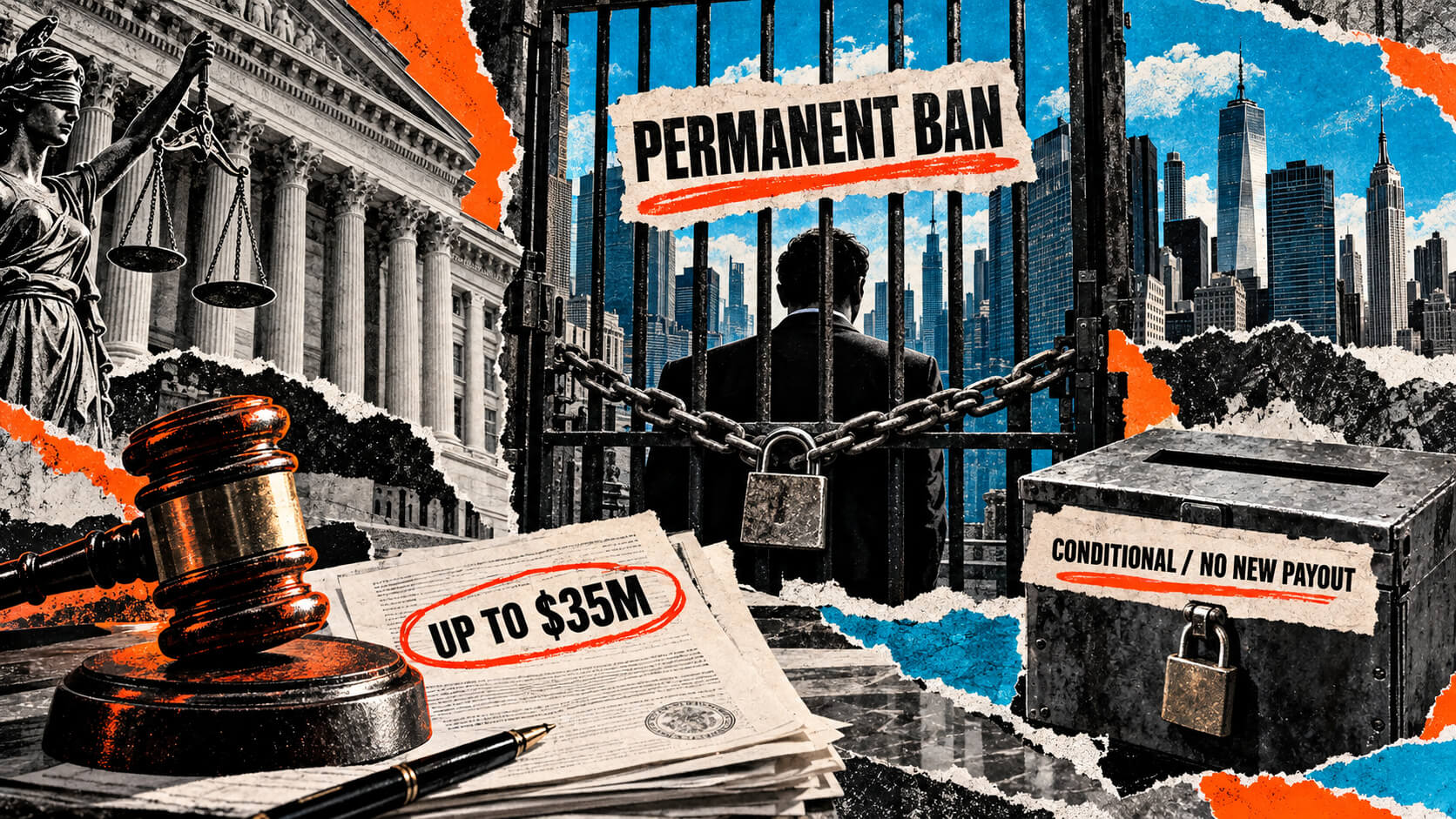
The settlement is straightforward on the surface: a lifetime ban from the commodities industry. For a guy who built his brand on being the face of the 'unbanked' movement, he is now permanently barred from ever running a business that touches commodities again. It is a total lockout. He cannot act as a floor broker, a commodity pool operator, or even a basic solicitor. The gate is locked, and the key has been melted down.
The Financial Math of Accountability
Then there is the money. The settlement includes a $25 million restitution obligation. For most people, that is an unreachable number. For a former crypto CEO, it is a significant dent, but there is a catch. The court has ruled that this payment can be satisfied by a qualifying payment to the Department of Justice. It is a way of streamlining the various legal fires he is fighting, ensuring the money goes where the government says it needs to go without double-dipping across different agencies.
There is also a separate $10 million judgment. This one is tied to his criminal sentencing. The payment of this amount is a condition of completing his sentence. However, the legal language leaves some breathing room. There are exceptions to how and when this must be paid, depending on the final outcome of his criminal trial. It is a complex web of financial penalties designed to strip away the gains made during the Celsius era.
The Personal Trading Loophole
Here is where it gets interesting for those of us watching from the builder perspective. While Mashinsky is banned from the industry, he is not banned from the market. The settlement explicitly allows him to continue trading his own personal cryptocurrency assets. He cannot trade for others, he cannot run a fund, and he cannot advise a platform. But he can still sit at his computer and hit the 'buy' or 'sell' button on his own stack.
To some, this feels like a slap in the face to the thousands of Celsius users who lost their life savings. To the legal system, it is a distinction between professional conduct and personal property rights. Even a banned individual is generally allowed to manage their own wealth. It is a reminder that in the eyes of the law, being a bad CEO does not necessarily mean you lose your right to participate in the economy as a private citizen.
What This Means for Builders
If you are building in the crypto or AI space right now, you need to look past the drama and see the precedent. The regulatory environment is shifting from 'we will fine you' to 'we will end your career.' A lifetime ban is the ultimate professional death penalty. It does not just stop you from doing the specific thing you got caught doing; it removes you from the playing field entirely.
This should serve as a wake-up call regarding transparency. Mashinsky’s downfall was not just market volatility; it was the delta between what was said in public and what was happening in the spreadsheets. Builders often feel the pressure to 'fake it until you make it' or to project absolute confidence even when the math is shaky. The Celsius case proves that the legal system eventually audits that confidence. If the math does not back up the marketing, the marketing becomes evidence in a federal case.
The Skeptic's View
I have spent a lot of time looking at these cases, and there is a recurring theme: the industry moves faster than the laws, but the laws always catch up. The fact that Mashinsky can still trade his own crypto suggests that regulators are still struggling to define what crypto actually is. Is it a commodity? A security? A piece of personal property like a car or a house? By letting him keep his personal trading rights, the court is acknowledging that they cannot—or will not—completely sever an individual from the digital asset ecosystem.
However, do not mistake this for leniency. The career he built is gone. The reputation is unsalvageable. For a founder, your reputation is your primary currency. You can lose the money and win it back, but once a court signs a lifetime ban, you are radioactive. No VC will touch you, no partner will sign with you, and no builder will want your name on their cap table.
The Founder Takeaway
The lesson here is simple but hard to execute when you are in the weeds of a startup: Compliance is not a luxury. You might think you are too small to be noticed, or that the rules do not apply to your specific flavor of innovation. But the moment you take custody of other people's assets, you are no longer just a founder; you are a steward. If you fail at stewardship, the government will not just take your money—they will take your future in the industry.
Stay lean, stay honest, and for heaven's sake, make sure your marketing team isn't writing checks that your smart contracts can't cash. The industry is better off without the hype-men who can't manage the risk. Let this be the end of the era of the 'celebrity founder' who treats user funds like a personal sandbox.
Read the original at CryptoSlate →