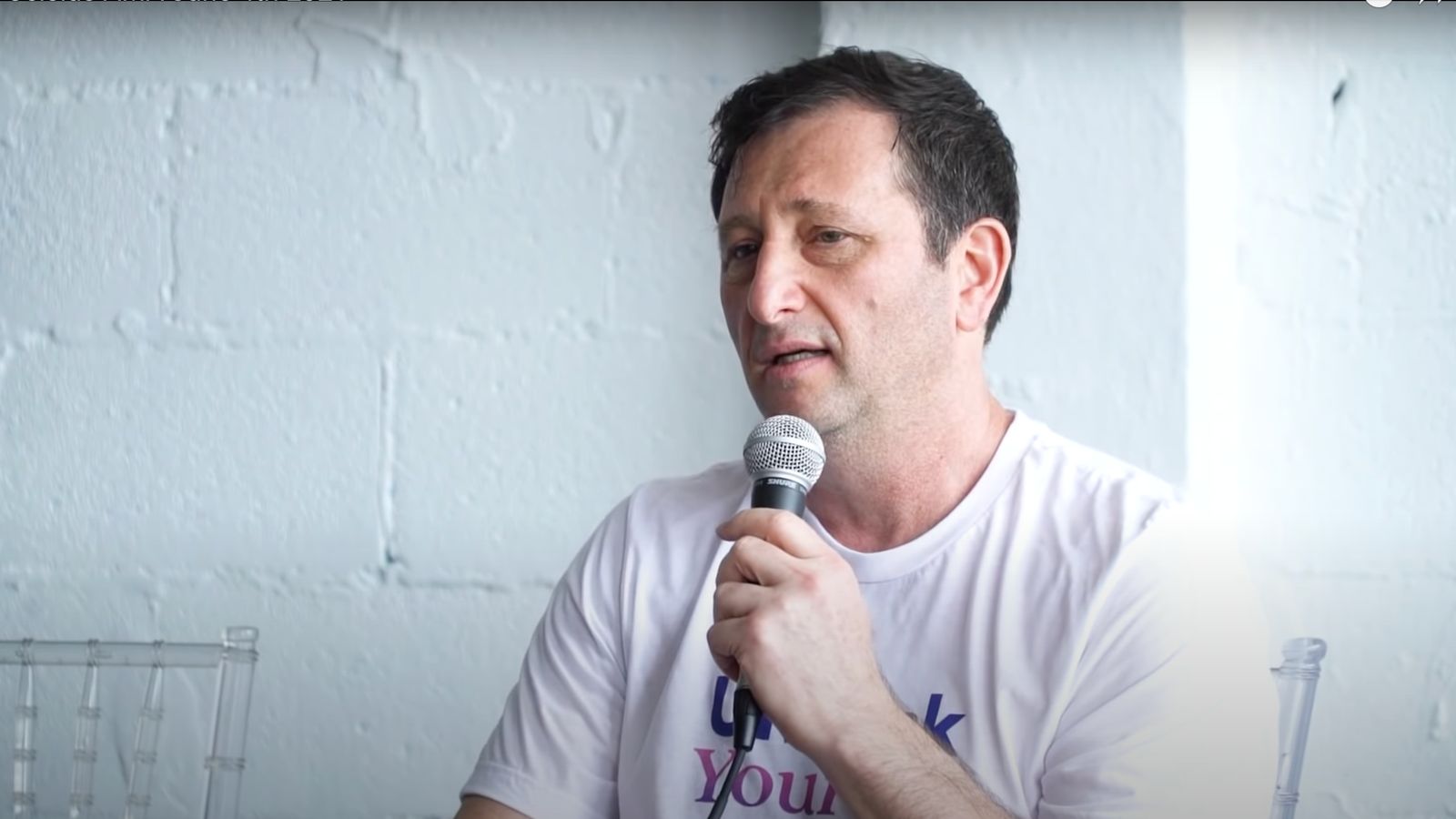
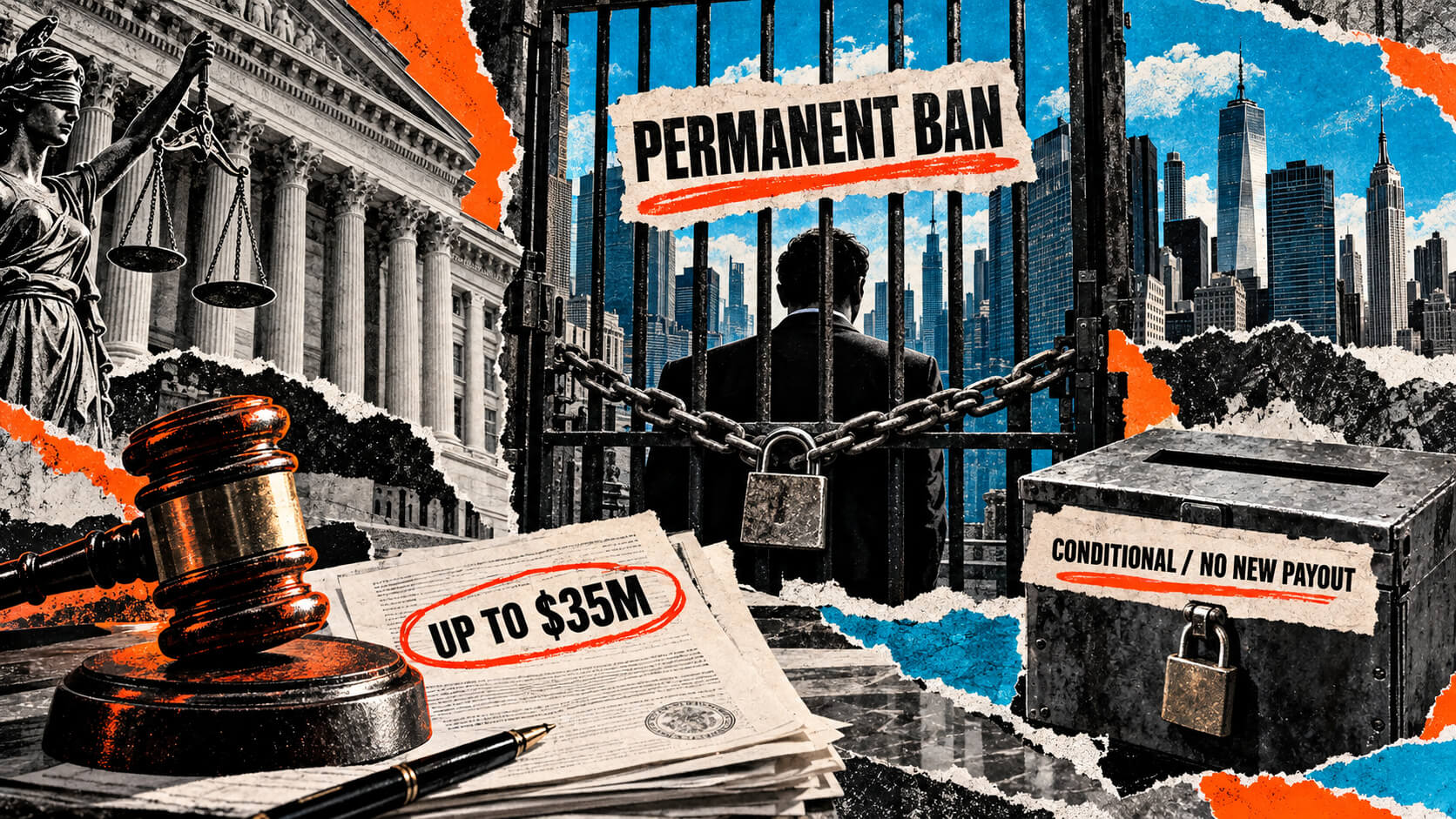
The cleanup crew is finally making headway in the aftermath of the 2022 crypto contagion. New York Attorney General Letitia James just hammered a final nail into the professional coffin of Alex Mashinsky, the founder and former CEO of the now-defunct Celsius Network. The settlement is straightforward: Mashinsky is paying up to $35 million and, more importantly for the health of the industry, he is banned for life from trading securities or operating in the crypto space within New York.
The Cost of False Promises
For those of us who were watching the collapse in real-time, this isn't just a legal victory; it is a validation of common sense. Celsius marketed itself as a safe haven for retail investors, often using the slogan Unbank Yourself. The pitch was simple: give us your crypto, and we will give you double-digit yields that traditional banks couldn't touch. But the mechanics behind those yields were opaque at best and reckless at worst.
The NY AG's office wasn't interested in the technical nuances of decentralized finance. They were interested in the fact that Mashinsky allegedly misled hundreds of thousands of investors about the safety of the platform. When the market turned, the lack of transparency became a death trap. This $35 million settlement, largely comprised of Mashinsky’s personal assets, serves as a reminder that the corporate veil doesn't always protect founders who play fast and loose with user funds.
A Lifetime Ban from the Sandbox
The financial penalty is significant, but the permanent ban is the real story here. Mashinsky is no longer allowed to sell, offer, or purchase securities or commodities in New York. In the eyes of the law, he has lost the privilege to participate in the financial markets he once sought to disrupt. This is a clear signal to other founders: if you build on a foundation of misrepresentation, you won't just lose your company; you will lose your career.
From a builder's perspective, this ban is a necessary hygiene measure. The industry has long suffered from a reputation of being a Wild West populated by charlatans. Every time a high-profile figure like Mashinsky is officially removed from the ecosystem, the signal-to-noise ratio improves for those actually trying to solve problems with blockchain technology.
The Founder Perspective: Accountability Matters
I’ve talked to plenty of founders who felt the heat when Celsius went under. The fallout forced everyone to rethink their custody models and their marketing language. We saw a shift away from high-yield promises toward proof-of-reserves and transparency. Mashinsky’s downfall was a catalyst for this shift, albeit an expensive and painful one for the users who lost their life savings.
Honesty is the only scalable strategy in this business. Mashinsky's mistake wasn't just bad trading; it was the persistent narrative that Celsius was lower risk than it actually was. As a founder, your primary job is risk management—not just for your company, but for your users. When you obfuscate risk to drive growth, you aren't building a business; you're building a liability.
What This Means for the Future of Crypto Regulation
This settlement isn't happening in a vacuum. It is part of a broader trend of state-level regulators taking the lead where federal guidance has been slow to arrive. New York has always been one of the toughest jurisdictions for crypto, and this case proves they have no intention of softening their stance. For developers and entrepreneurs, the takeaway is clear: compliance isn't a secondary concern. It has to be baked into the product from day one.
We are entering an era of consequence. The days of Move fast and break things apply to software, not to people's retirement accounts. The legal system is catching up to the speed of innovation, and it is using tools like permanent bans to ensure that the same mistakes aren't repeated by the same actors.
Takeaway for Builders
- Transparency is non-negotiable: If your yield comes from risky lending, say so. Users deserve to know the risk profile of their assets.
- Personal liability is real: Regulators are increasingly looking past the entity to hold individuals accountable for their public statements.
- New York sets the bar: If you can’t pass muster in NY, you have a massive hole in your business model that will eventually be exploited by regulators.
The exit of Alex Mashinsky from the crypto industry is a closing chapter on a volatile era. It’s a somber reminder that in the world of finance and technology, your reputation is your most valuable asset. Once you trade that for short-term growth, there is no amount of money that can buy it back. We are better off with a smaller, more honest industry than a bloated one built on a house of cards.
Read the original at The Block →