The 35th Delivery
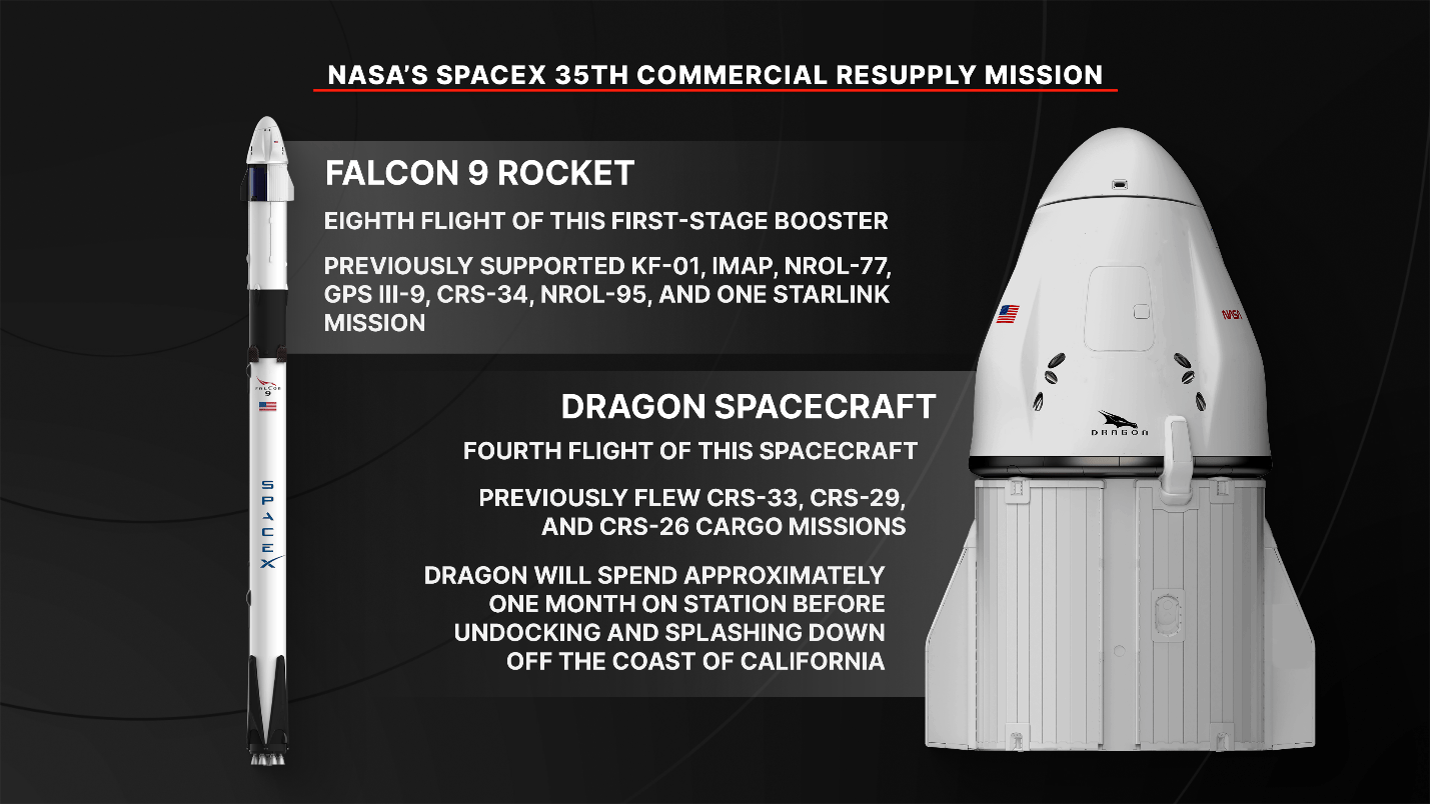
NASA and SpaceX are gearing up for another resupply mission to the International Space Station, currently scheduled for mid-October. On the surface, this is routine. We have become accustomed to seeing the Falcon 9 launch, deliver a Dragon capsule, and return. But for those of us building in crypto and AI, there is a specific lesson in this repetition. This isn't just about fresh fruit and spare parts for astronauts; it is a masterclass in modular infrastructure and the long-term utility of automated logistics.
This 35th mission represents a shift from experimental spaceflight to a consistent utility layer. When we talk about building decentralized networks or AI agents, we often focus on the 'moonshot'—the first launch. We rarely focus on the 35th iteration, which is where the real value is captured. SpaceX has turned a miracle into a commodity. That is the goal for any founder working on hard tech today.
The Hardware Stack
The mission involves a significant amount of scientific equipment. This includes investigations into how materials behave in microgravity and new biological research tools. From a builder's perspective, the ISS is essentially a remote server rack. It has limited bandwidth, extreme power constraints, and a very high cost of failure. Every piece of hardware sent up on this Dragon capsule has to be audited, hardened, and designed for a specialized environment.
We see a direct parallel here with edge computing. As we push AI models to local devices or deploy smart contracts that manage real-world assets, we are dealing with similar constraints. You aren't building for a perfect cloud environment; you are building for a hostile one where you can't just 'hotfix' a physical component if it breaks. The engineering discipline required for a cargo mission is exactly what is missing in much of the fast-and-loose software world right now.
Automation as the Foundation
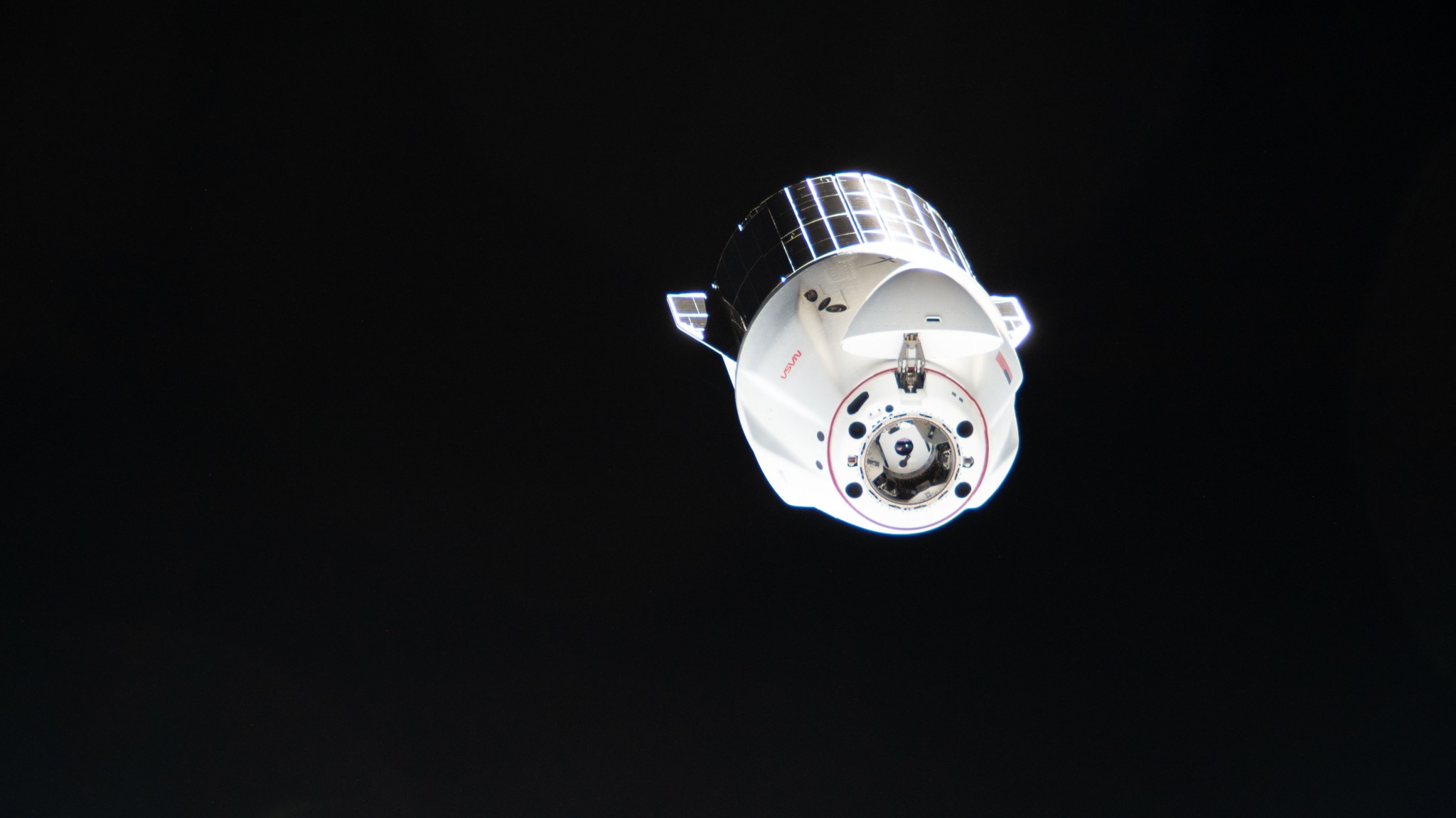
One of the most impressive parts of these missions is the docking sequence. It is largely autonomous. The Dragon capsule approaches a station moving at 17,500 miles per hour and executes a precision handshake. This isn't just cool tech; it is a necessity. Humans are the bottleneck in complex systems. By automating the logistics layer, NASA allows the humans on board to focus on high-level research rather than manual steering.
For AI founders, this is the roadmap. We spend a lot of time talking about Chatbots, but the real play is autonomous logistics—systems that can negotiate, verify, and execute tasks without a human in the loop. The SpaceX/NASA relationship is a proto-type of an autonomous economy. One entity provides the platform, the other provides the service, and the software handles the coordination.
The Modular Blueprint
The cargo on this mission isn't one giant machine. It is dozens of small, independent experiments and supply modules. This modularity is why the ISS has survived as long as it has. You don't replace the whole station; you swap out the parts. This is a fundamental principle that crypto builders often ignore in favor of monolithic 'all-in-one' solutions.
If you build a monolithic protocol, you die when one part becomes obsolete. If you build like NASA—modularly—you can upgrade your sensors, your power supply, and your compute over decades. The Dragon capsule is just the transport layer. The experiments are the applications. Keeping those layers separate is why this partnership works.
Why Routine is the Goal
There is a lot of skepticism in the tech world about the pace of space exploration. People want Mars colonies tomorrow. But the 35th mission is more important than the first because it proves the business model is sustainable. In the AI space, we are currently in the 'hype' phase where everyone is launching their first 'rocket.' Most will explode on the pad. The ones that survive will be the ones that can do the 35th run with zero drama.
Reliability is the only metric that matters in the long run. Whether you are delivering supplies to a space station or data to a decentralized network, the user doesn't want a spectacle; they want the 100% uptime that comes from boring, repeatable processes.
The Takeaway for Builders
Stop looking for the next 'unprecedented' breakthrough and start looking for the process you can turn into a commodity. SpaceX didn't win by being more 'creative' than NASA; they won by being more efficient at a specific, repeatable task: moving mass from the ground to orbit.
The 35th commercial resupply mission is a reminder that the future isn't built on one-off miracles. It is built on the infrastructure that shows up on time, every time. If your project relies on constant manual intervention and hype-driven updates, you aren't building a launchpad—you're building a firework. Build for the 35th mission, not the first.
Final Thoughts on Logistics
As this mission launches in October, pay attention to the telemetry and the docking. It looks easy because thousands of people worked to make it look boring. That is the highest form of engineering. In our world of AI agents and blockchain protocols, we should strive for that same level of 'boring' reliability. When the tech disappears into the background and the service just works, that is when you know you've actually built something that matters.
Read the original at NASA Breaking News →