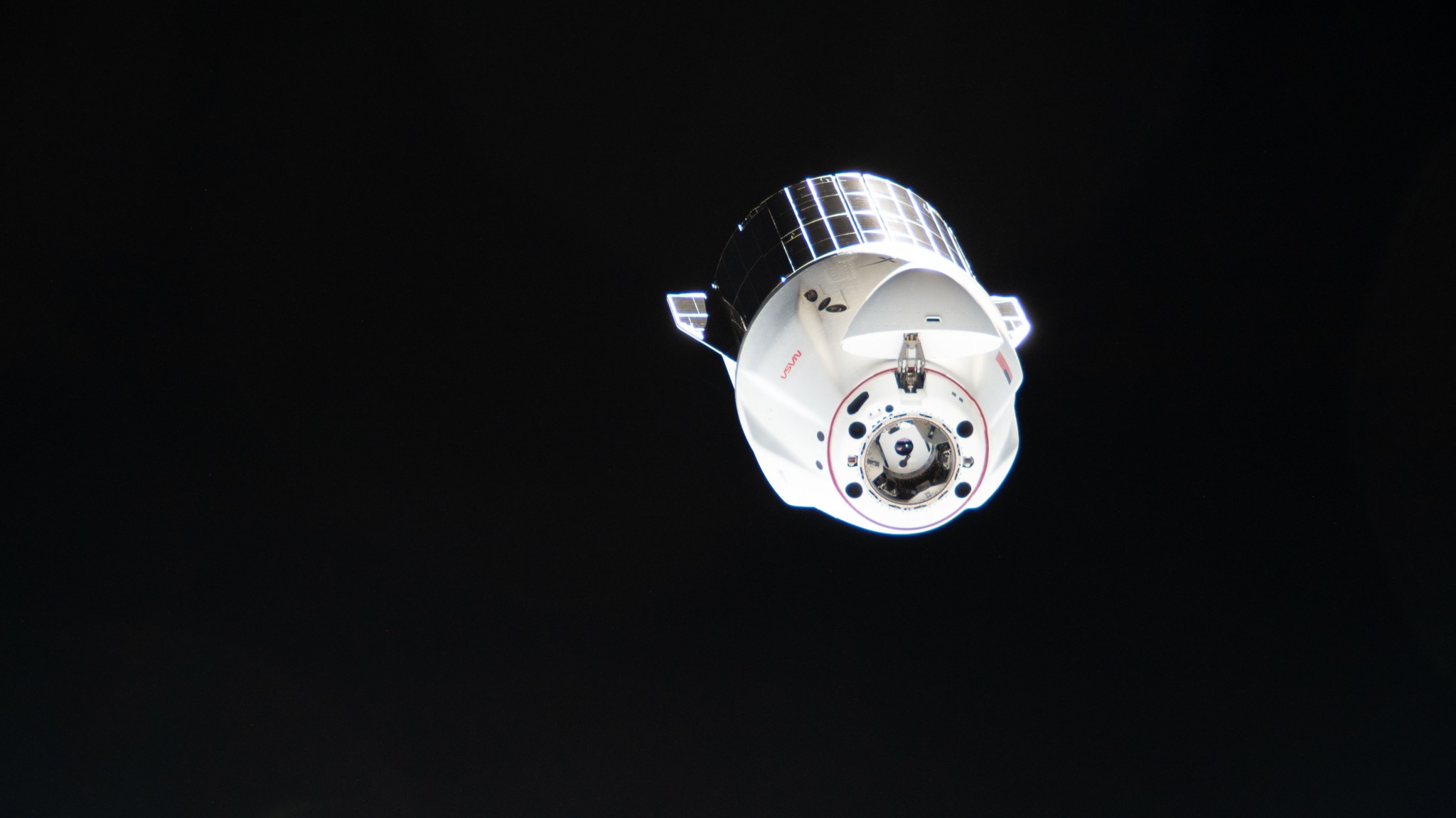
NASA just reported that the Curiosity rover reached a vertical elevation milestone of 1,000 meters. For those of us building in the crypto and AI space, it is easy to get caught up in the weekly cycle of product launches and token price fluctuations. But looking at a machine that has been grinding away for over 5,000 Martian days provides a much-needed reality check on what long-term building actually looks like.
Curiosity is currently climbing Mount Sharp, a massive mound inside Gale Crater. The rover recently hit that one-kilometer mark in elevation gain since it started its ascent years ago. From its new vantage point, it looked back across the crater floor toward the rim. It is a stark, lonely image, but for a founder, it represents something specific: the cumulative result of thousands of small, successful execution steps.
The Engineering of Longevity
When you build software, you worry about bugs and server uptime. When you build for Mars, you worry about the physical degradation of hardware that can never be serviced. Curiosity’s wheels are shredded, its power source is slowly decaying, and yet it continues to hit milestones. This is the ultimate lesson in redundancy and conservative engineering.
In the world of decentralized finance or autonomous agents, we often see teams shipping fast and breaking things. That works when you can push a hotfix to GitHub in ten minutes. But as we move toward building autonomous infrastructure that manages real value, we need to start thinking more like the Jet Propulsion Laboratory. If your smart contract fails, there is no repair crew. If your AI model hallucinates a critical financial decision, you can't just reboot the mission.
Scaling the Vertical Wall
Reaching a kilometer in elevation is not just a vanity metric. Each meter represents new geological data and a different layer of history. For builders, this is a metaphor for product market fit. You don't just jump to the top of the mountain. You navigate the terrain, deal with the sand traps, and manage your resources to ensure you don't burn out before the peak.
The rover reached this milestone on Sol 4,996. Think about that timeframe. We are talking about over a decade of continuous operation. Most startups in our space don't survive three years, let alone ten. The reason Curiosity is still moving is because every move is calculated. It isn't chasing hype; it is following a mission plan that was laid out years before it even launched.
The Founder's Perspective on Technical Debt
Every time Curiosity moves, it incurs a bit of wear and tear. That is the physical equivalent of technical debt. NASA engineers have to decide which risks are worth taking. Do they drive over the sharp rocks to get to the interesting science faster, or do they take the long way around to preserve the wheels? Founders face this daily. Do you ship the feature with the messy code to hit the market, or do you refactor now to ensure you can scale later?
Looking at the photo Curiosity sent back, you see the tracks stretching miles across the crater floor. Those tracks are a record of every decision the team made. In our world, your codebase and your on-chain history are your tracks. If you cut corners early on, those tracks eventually stop. Longevity is the only real metric that matters in the end.
Why This Matters for AI and Crypto
We are currently seeing a massive intersection between decentralized networks and artificial intelligence. We are trying to build "autonomous" systems. But true autonomy, like what Curiosity practices, requires a level of robustness that the current tech industry often ignores. We focus on the "intelligence" part of AI, but we forget the "reliability" part.
- Reliability over Speed: NASA doesn't care if the rover takes an extra month to climb a ridge as long as it gets there safely.
- Data Integrity: The entire point of the climb is to sample different layers of Martian history. If the data is corrupted, the mission is a failure.
- Resource Management: The rover operates on a limited power budget. Every calculation and every movement is accounted for.
As we build out AI agents that operate on-chain, we need to adopt this mindset. If your agent is burning through compute or gas fees without a clear objective, it’s not an autonomous builder; it’s a drain on the system. We should be building agents that can survive the "Martian winter" of a bear market or a period of low liquidity.
"The view from the top is only possible because of the grueling work done at the bottom."
The Takeaway for Builders
The lesson here isn't just about space exploration. It's about the discipline of the long game. Curiosity’s 1,000-meter climb is a reminder that significant progress is usually slow, quiet, and incremental. It’s not a viral tweet or a sudden pump; it’s 5,000 days of showing up and doing the work.
If you are building something right now, ask yourself if your project can survive 5,000 days. Do you have the structural integrity to handle the climb? Are you managing your technical debt, or is it going to trap you in the crater floor? The rim of the crater is always visible, but only those who plan for the elevation will ever actually see over it.
Stop looking for the shortcut. Start measuring your progress in vertical meters gained, not just horizontal distance covered. The view from the milestone is worth the grind.
Read the original at NASA Breaking News →