The Great Pivot to Pragmatism
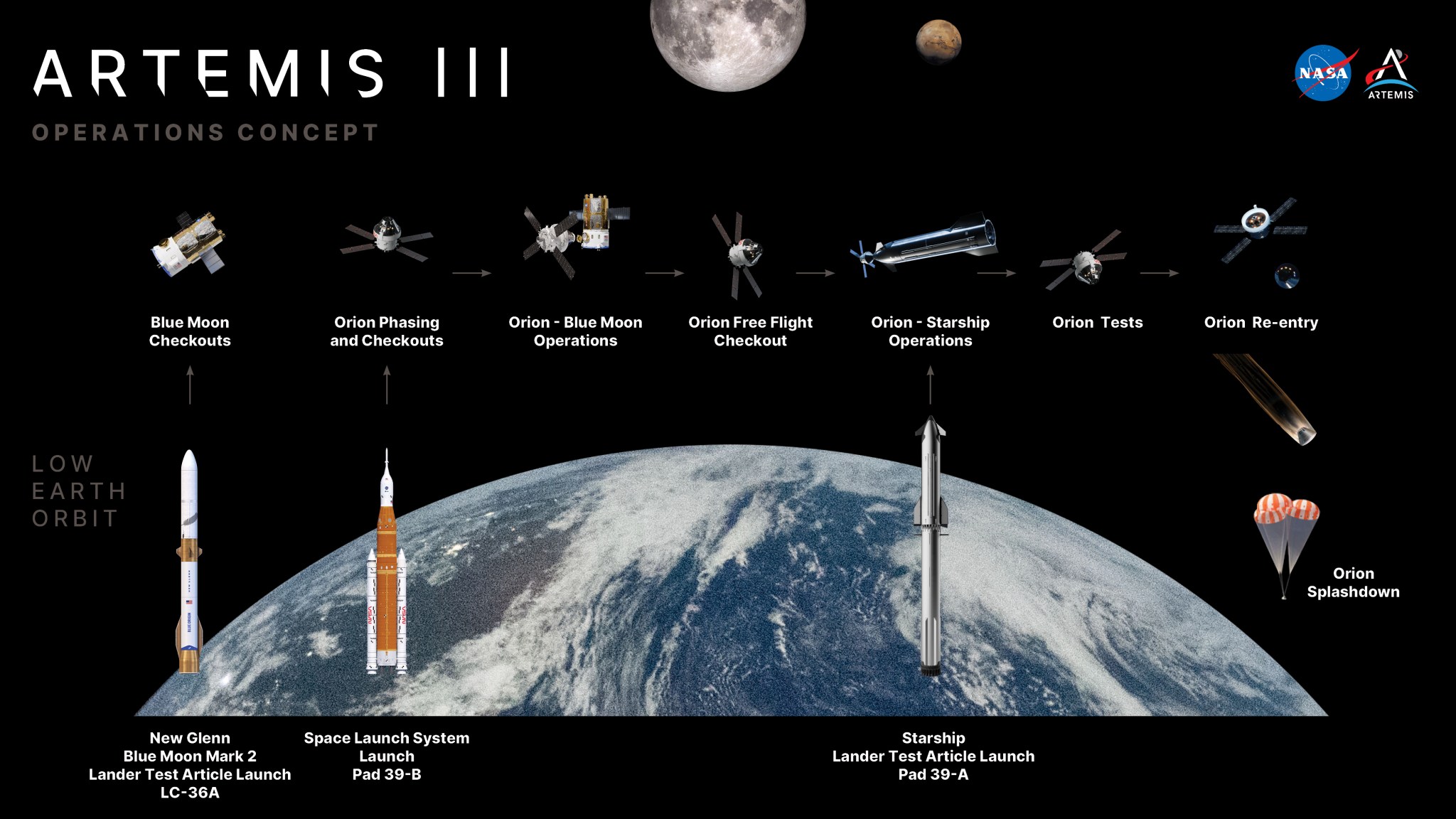
NASA just dropped a significant update on the Artemis program, and if you look past the bureaucratic jargon, there is a massive shift happening in how the government builds technology. Administrator Jared Isaacman and his team are now aiming for a 2027 test flight with Artemis III and a full crewed lunar landing by 2028. For those of us in the tech and crypto space who are used to aggressive roadmaps and constant delays, this feels familiar. But this isn't just about moving dates; it is about a total shift in the architecture of innovation.
For decades, NASA was the lead architect. They designed the bolts, the fuel mixtures, and the flight software. Now, they are acting more like a venture capitalist or a high-level project manager. They are betting on private industry to solve the hardest problems of deep space logistics. For builders, this is the blueprint for how legacy institutions eventually give way to decentralized, private innovation.
The Acceleration Trap
NASA is talking about acceleration, but in the world of hardware, that word is dangerous. The agency is trying to pull the Artemis III mission into 2027. This isn't just a marketing win; it is a necessity. The longer these programs take, the more likely they are to be defunded or superseded by newer technology. We see this in the AI space all the time—if your development cycle is longer than eighteen months, you are building for a world that no longer exists by the time you launch.
The Artemis IV mission is slated for 2028, and the goals are getting more complex. We aren't just talking about a flag and a footprint anymore. We are talking about sustainable lunar infrastructure. For the founders reading this, the "infrastructure" layer is where the real money and long-term stability live. While the media focuses on the astronauts, the real work is in the communication arrays, the energy storage, and the life support systems that have to work 100% of the time in a vacuum.
Private Industry as the Engine
The most telling part of this update is the reliance on commercial partners. NASA isn't building the whole stack anymore. They are buying seats and services. This is a massive opportunity for startups that can navigate the grueling procurement process. If you can build a reliable component that fits into the Artemis ecosystem, you have a customer for a decade.
However, there is a catch. When you build for the government, you are subject to their shifting political winds. This is why many founders in the private space sector are trying to build dual-use technology—things that work for NASA but also have a commercial application in low Earth orbit or even on the ground. You cannot afford to be a single-client shop when that client is a government agency with a changing budget every four years.
The Technical Debt of Space
One thing that doesn't get enough play in these official announcements is the sheer amount of technical debt involved in returning to the moon. We are using a mix of legacy systems and cutting-edge private tech. Integrating a modern SpaceX-style iterative development process with the slow, safety-first culture of traditional NASA is a monumental task. It is the same struggle we see when big banks try to integrate blockchain protocols. The old guard wants total certainty; the new guard wants to break things and learn.
NASA is trying to bridge that gap by empowering leaders who understand the private sector mindset. By bringing in figures like Isaacman, they are signaling that they are willing to take more calculated risks. For builders, this means the "barrier to entry" for space tech is lowering, but the "barrier to success" remains incredibly high. You have to be able to move fast without losing the rigor that space travel demands.
What This Means for the Future Ecosystem
If Artemis III actually hits its 2027 window, we are going to see a gold rush of orbital and lunar startups. We should be looking at the secondary and tertiary effects. Who is building the data transmission protocols for the moon? How will we handle resource rights and decentralized governance in a place where no single nation has sovereignty? These aren't sci-fi questions anymore; they are 2028 questions.
We have to be skeptical of the timelines—space is hard and delays are the default setting—but we should not be skeptical of the direction. The transition from government-led exploration to a commercially-driven lunar economy is happening. It is the ultimate stress test for private-public partnerships.
The Founder Takeaway
The takeaway here is simple: Stop waiting for the government to lead the way on innovation. NASA is effectively admitting they need the private sector to move faster than they can. If you are building high-stakes hardware or complex software systems, the Artemis program is a signal that the market for extreme-environment technology is about to explode. Don't build for the moon; build for the supply chain that gets us there. That is where the sustainable business lives.
Read the original at NASA Breaking News →