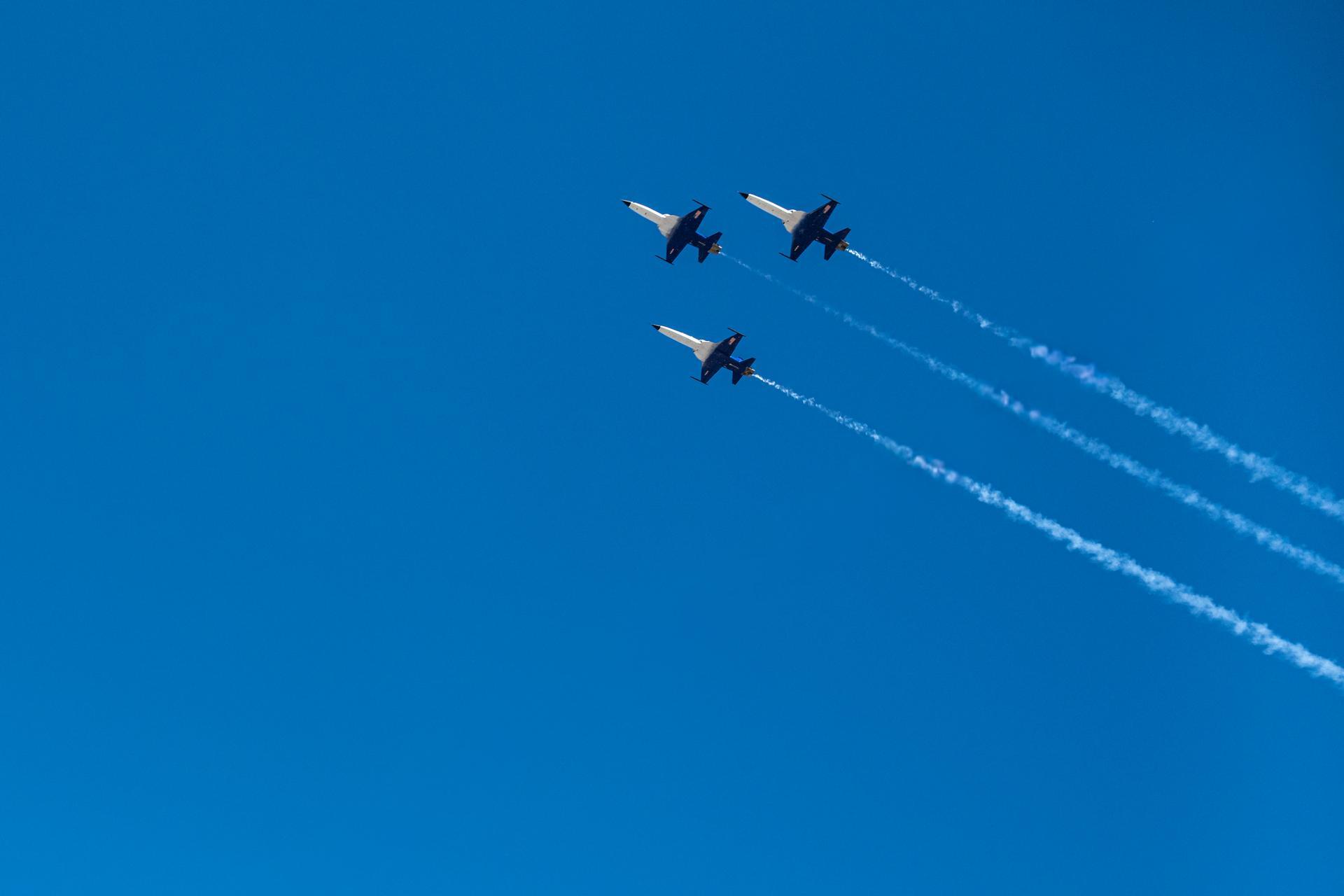
NASA just announced the event schedule for MAX POWER, a new aerospace expo and air show taking place at the Kennedy Space Center this November. While the surface-level marketing looks like your standard government-sponsored aviation display, the timing and structure of this event tell a much bigger story about where the industry is heading.
Bridging the Gap Between Agency and Startup
For decades, the aerospace world was a closed loop. You had the agency, and you had a handful of legacy contractors. For a founder or a builder in the private sector, getting your tech onto a launchpad felt like trying to break into a fortress. But events like MAX POWER indicate a shift in how NASA is trying to position itself in the modern era.
The agency is opening its doors to external collaborators in a way we haven't seen during the shuttle era. They are moving from being the sole provider of space travel to being an anchor tenant and a platform provider. If you are building in the AI or hardware space, you need to pay attention to how these legacy institutions are trying to integrate with the private market.
The Convergence of Hardware and Intelligence
We often talk about AI in the context of SaaS or LLMs, but the real test of intelligence is how it interacts with the physical world. Aerospace is the ultimate stress test. At MAX POWER, the focus isn't just on the planes and rockets; it is on the systems that keep them in the air. This includes autonomous navigation, predictive maintenance, and real-time data processing—all areas where modern software builders are currently outpacing old-school aerospace engineering.
NASA needs the agility of the startup world, and the startup world needs the infrastructure and regulatory blessing of NASA. This event is a networking hub for those two worlds to collide. If you're a founder, the takeaway isn't that you should go watch an air show; it's that the moat around aerospace is thinning.
The Logistics of Innovation
The schedule, which runs from November 6 through November 8, is built around a series of park experiences. This move toward experiential marketing shows that even the most rigid government bodies realize they are in a war for talent. They aren't just competing with other agencies; they are competing with every high-growth tech company in Silicon Valley and Austin for the next generation of engineers.
By hosting this on and near the Kennedy Space Center, NASA is leveraging its greatest asset: history. But history doesn't launch rockets in 2025. The real work happens in the side rooms and the networking tents where builders are discussing how to solve the massive power requirements and latency issues inherent in modern aerospace tech.
Why Builders Should Care
I tend to be skeptical of large-scale expos. Usually, they are full of fluff and legacy companies trying to look younger than they are. However, aerospace is different because the barrier to entry is so high. When an agency like NASA creates a dedicated space for "external collaborators," it's an invitation to bid on the future.
- Infrastructure as a Service: NASA is increasingly looking like an infrastructure provider. Builders who can create tools that plug into this infrastructure will find a very stable, very wealthy client.
- The AI Integration: Flight systems are moving toward full autonomy. If you are building specialized AI models for edge computing, the aerospace sector is a massive, underserved market.
- Public-Private Partnerships: The days of NASA doing it all alone are over. The MAX POWER event is a signal that the agency is ready to lean on the private sector for innovation.
The biggest mistake a founder can make is thinking that government agencies are too slow to be relevant. They move slow, but they have the keys to the kingdom.
The Skeptic's View
Let's be honest: there will be plenty of pageantry. There will be flight demonstrations and shiny hardware designed to impress the general public. But beneath that, there is a clear strategic push to maintain American dominance in a space that is becoming increasingly crowded. For the builder, the goal is to look past the air show and look at the vendor list.
Who is supplying the sensors? Who is managing the data flow? Who is providing the power solutions for these new platforms? Those are the companies you want to track. If you see a lot of small, agile firms on that list, it means the window is open for new players.
The Takeaway
The MAX POWER expo is more than a weekend of loud engines in Florida. It is a tactical move by NASA to stay relevant in a decentralized, tech-driven economy. For builders, it represents a shift in the procurement landscape. The wall between "government tech" and "consumer tech" is crumbling, and those who can navigate the bureaucracy while maintaining the speed of a startup are going to win the next decade of contracts.
If you aren't looking at aerospace as a viable vertical for your AI or hardware stack, you're missing a massive piece of the puzzle. The agency is calling for collaborators; it's up to the builders to show up with something worth launching.
Read the original at NASA Breaking News →