NASA Rebrands the Industrial Base
NASA just pulled a classic corporate maneuver: they renamed a department. What used to be a generic outreach office is now the Small Business Supplier Development Program. On the surface, it looks like a semantic tweak. In practice, it is a signal that the agency realizes its lunar and deep-space ambitions are currently bottlenecked by a shrinking pool of specialized domestic suppliers.
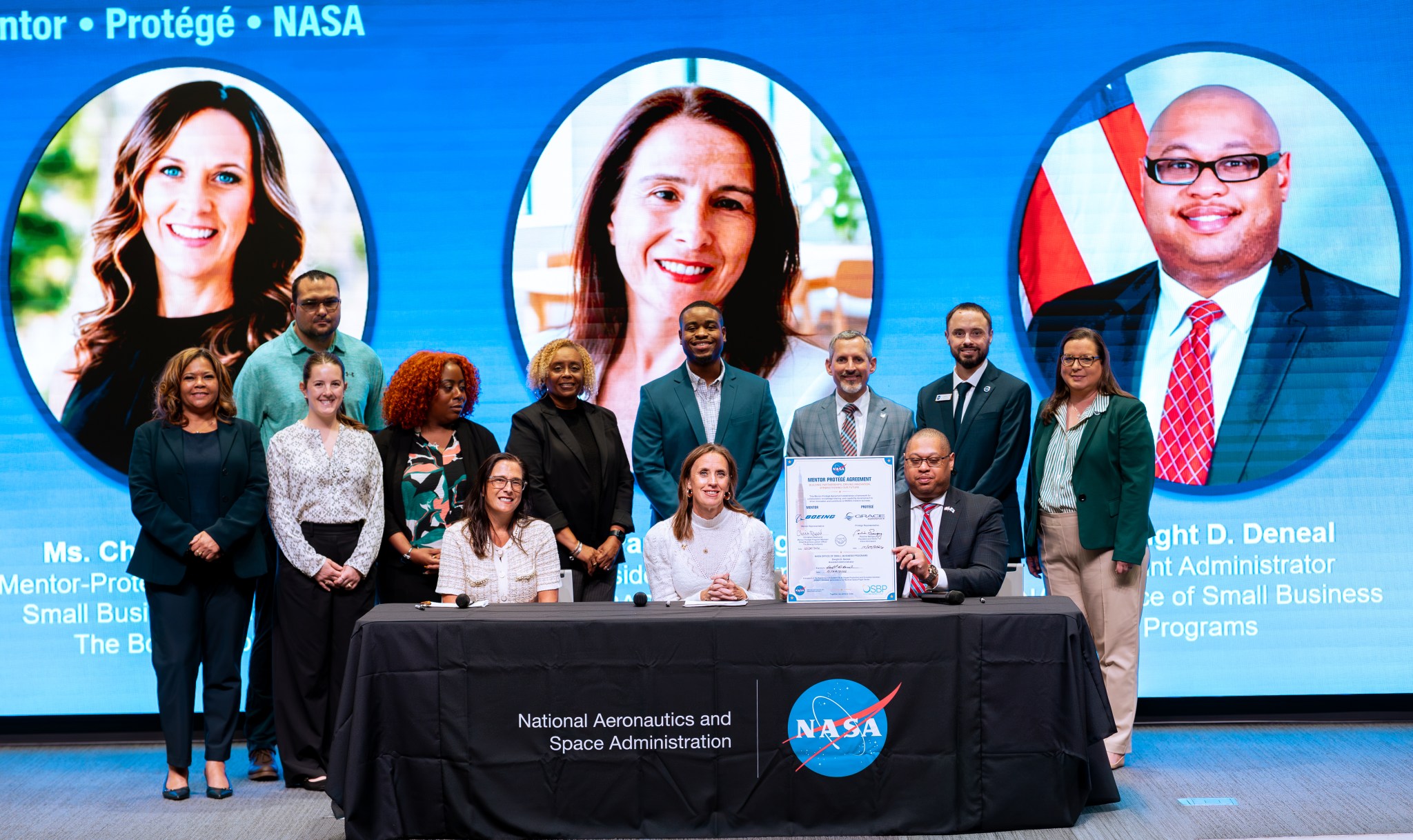
The announcement came alongside a new Mentor-Protégé Agreement between aerospace heavyweight The Boeing Company and a smaller player, GRACE Aerospace. This isn't just about big companies helping small ones out of the goodness of their hearts. It is a calculated move to ensure that the complex components required for missions like Artemis actually exist five years from now.
The Fragility of the Chain
For those of us building in the crypto or AI space, we often talk about "decentralization" as a philosophical goal. For NASA, decentralizing their supplier base is a matter of survival. If a single niche manufacturer in the Midwest goes bust, a multi-billion dollar launch window could vanish. The domestic aerospace industrial base has been thinning out for decades, consolidated by mergers or killed off by cheaper overseas alternatives.
By rebranding to a "Development" program, NASA is admitting that they can't just be a customer anymore. They have to be a gardener. They need to actively grow the companies that build the parts they buy. This shift reflects a broader trend in high-stakes engineering: the era of purely transactional procurement is over. If you want a resilient supply chain, you have to invest in the technical maturity of your sub-contractors.
Why Builders Should Care
If you are a founder or an engineer, this news highlights three specific shifts in how government-adjacent industries are operating right now. First, the "Mentor-Protégé" model is becoming the gold standard for high-barrier-to-entry markets. It is nearly impossible for a small shop to navigate the regulatory and security requirements of NASA on their own. Teaming up with a legacy incumbent like Boeing provides the "regulatory air cover" needed to get work done.
Second, there is a massive focus on domestic capacity. We are seeing a return to "Made in America" not as a political slogan, but as a risk-mitigation strategy. For builders, this means that where your code or your hardware is physically produced and hosted is becoming a top-tier sales feature again.
Third, the focus is shifting from software to "hard tech." While the last decade was dominated by SaaS, the next decade of government spending is clearly leaning toward physical infrastructure and advanced manufacturing. NASA needs people who can build sensors, valves, and radiation-hardened circuitry, and they are willing to pay the overhead to train them.
The Boeing and GRACE Dynamic
The specific partnership between Boeing and GRACE Aerospace is the pilot light for this new program direction. Boeing brings the scale and the deep understanding of NASA's labyrinthine procurement process. GRACE brings the agility and specialized focus. This is a pattern we see in AI constantly—a massive platform company like Microsoft or Google providing the infrastructure and capital, while a smaller, focused team builds the actual specialized model.
However, we should stay skeptical about the "mentorship" aspect. In any industry, when a giant mentors a startup, there is a risk of the smaller company becoming a permanent appendage of the larger one. Founders entering these agreements need to be careful they aren't just becoming an outsourced R&D department for a legacy firm that has lost its own ability to innovate quickly.
The Institutional Shift
NASA’s Office of Small Business Programs is clearly under pressure to perform. The mission cadence for the next decade is aggressive. Between the Lunar Gateway and Mars prep, the agency knows it can't rely on the same five prime contractors for everything. They need the "long tail" of the industry to be healthy.
This is where the opportunity lies for the next generation of builders. The barrier to entry for government work is lower than it has been in years, specifically because the government is desperate for new blood. They are literally paying the old guard to show the new guard how to fill out the paperwork.
Takeaway for the Founder Perspective
Don't ignore the "boring" sectors. While everyone is chasing the next generative AI wrapper, there is massive, subsidized growth happening in the industrial base. NASA's rebranding of this program is an invitation to founders who are willing to deal with the friction of hardware and government compliance.
The real lesson here is about resilience. Whether you're building a space station or a decentralized finance protocol, your project is only as strong as its most fragile dependency. NASA is finally acting on that reality. It’s time for the rest of us to look at our own supply chains—whether they are made of steel or code—and ask if we are developing our suppliers or just consuming them.
Read the original at NASA Breaking News →