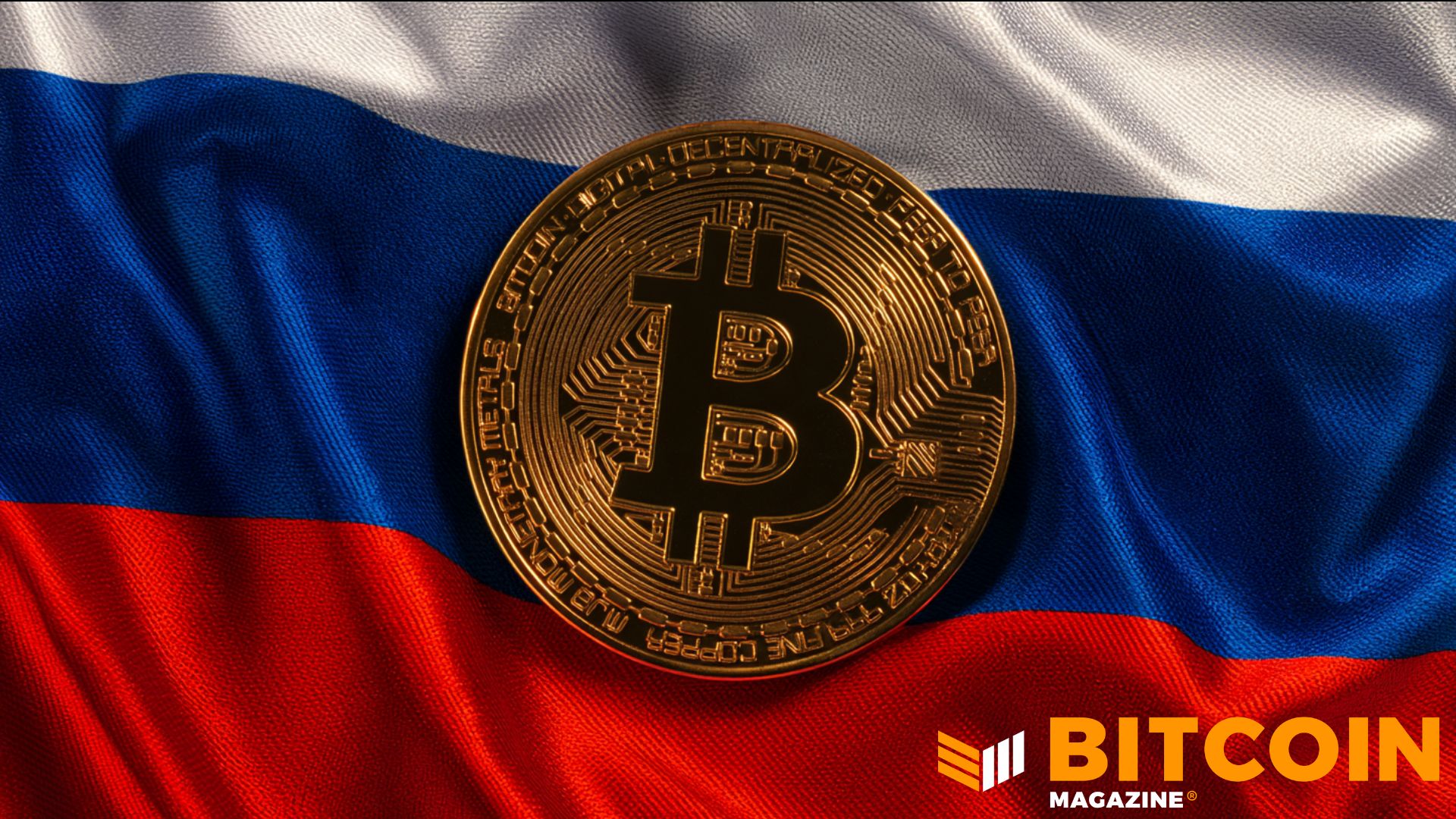
The Moscow Exchange is reportedly preparing to launch Bitcoin trading. For those who have followed the long, winding road of Russian crypto policy, this feels less like a sudden pivot and more like an inevitable concession to gravity. After years of the central bank threatening to ban digital assets entirely, the reality of global trade and the pressure of sanctions have finally pushed the builders in Moscow to get practical.
The Pivot from Prohibition to Infrastructure
For a long time, the narrative out of Russia was one of hostility. The Bank of Russia was famously conservative, viewing anything it couldn't directly control as a threat to the ruble. But things change when your access to the global financial plumbing gets restricted. We are now seeing a state-sanctioned embrace of Bitcoin, not necessarily because they believe in the cypherpunk manifesto, but because they need a system that works when SWIFT doesn't.
The Moscow Exchange, or MOEX, is the oldest and largest exchange group in Russia. Its entry into the Bitcoin space is a massive validation of the asset's utility as a settlement layer. Testing is reportedly underway, which suggests that the technical hurdles are being cleared. For founders, this is a reminder that utility eventually beats ideology every single time.
Why This Matters for Builders
If you are building in the crypto space, you shouldn't view this as a simple "price go up" event. Instead, look at the plumbing. When a major national exchange integrates Bitcoin, it requires a massive amount of compliance, custody, and liquidity infrastructure. It creates a blueprint for how a legacy financial system absorbs a decentralized asset under pressure.
- Custody Solutions: Large-scale institutional trading requires cold storage and multisig protocols that can withstand high-level scrutiny.
- Settlement Speed: The exchange will have to bridge the gap between T+2 settlement cycles and the near-instant finality of the blockchain.
- Regulatory Precedence: This creates a framework that other non-Western aligned economies might copy to bypass traditional banking bottlenecks.
The Skeptical Take
I have a healthy amount of skepticism regarding any state-controlled exchange entering the crypto market. Bitcoin was designed to be permissionless. When you put it inside the box of a national exchange like MOEX, it becomes permissioned. You aren't really trading Bitcoin; you are trading a promise of Bitcoin on a centralized ledger. This is the ultimate irony of the industry: we build tools for freedom, and the first things that adopt them at scale are the most restricted environments on earth.
We also have to consider the risk of a "walled garden" effect. If Russia builds its own closed loop for Bitcoin trading and settlement, it might help their local economy, but it does little for the broader goal of global decentralization. Builders should be careful about relying on these centralized hubs as the primary source of truth for the network's health.
Infrastructure is the Real Winner
The real story here isn't about the Moscow Exchange itself, but about the maturity of the software. The fact that an exchange of this size can even consider testing Bitcoin shows how far the developer community has come. Ten years ago, the tooling didn't exist to make this safe or efficient. Today, we have the APIs, the security layers, and the liquidity aggregators to make it happen almost overnight.
This move is a clear signal that the world is moving toward a multi-polar financial system where Bitcoin serves as the neutral ground. It is the only asset that doesn't have a nationality, which makes it perfect for nations that don't trust each other.
Founders should be looking at the second-order effects of this. If MOEX succeeds, you can expect similar moves from other BRICS nations. This creates a massive demand for developers who understand how to bridge legacy SQL databases with blockchain state machines. The job isn't just to build new apps; it's to refactor the old world into the new one.
Looking Ahead
Testing is just the first step. The real test will be how the liquidity flows once the gates are open. Will we see a surge in domestic retail adoption, or will this primarily be a tool for institutional settlement? My bet is on the latter. The Russian government has been clear about wanting to use crypto for cross-border payments rather than letting it become a dominant domestic currency that competes with the ruble.
As a founder, you have to stay objective. Don't get caught up in the geopolitics. Focus on the fact that another massive block of capital is about to be plugged into the network you are building on. The more pipes we connect to the Bitcoin protocol, the harder it becomes to turn the whole thing off. That is the real win for the ecosystem.
In the end, the Moscow Exchange's move into Bitcoin is a pragmatic business decision. It is a sign that the asset has moved past the "experiment" phase and into the "utility" phase. It’s not about the hype or the headlines; it’s about the fact that when things get difficult, the world turns to the most robust network available.
Read the original at Bitcoin Magazine →