The Land Grab Strategy
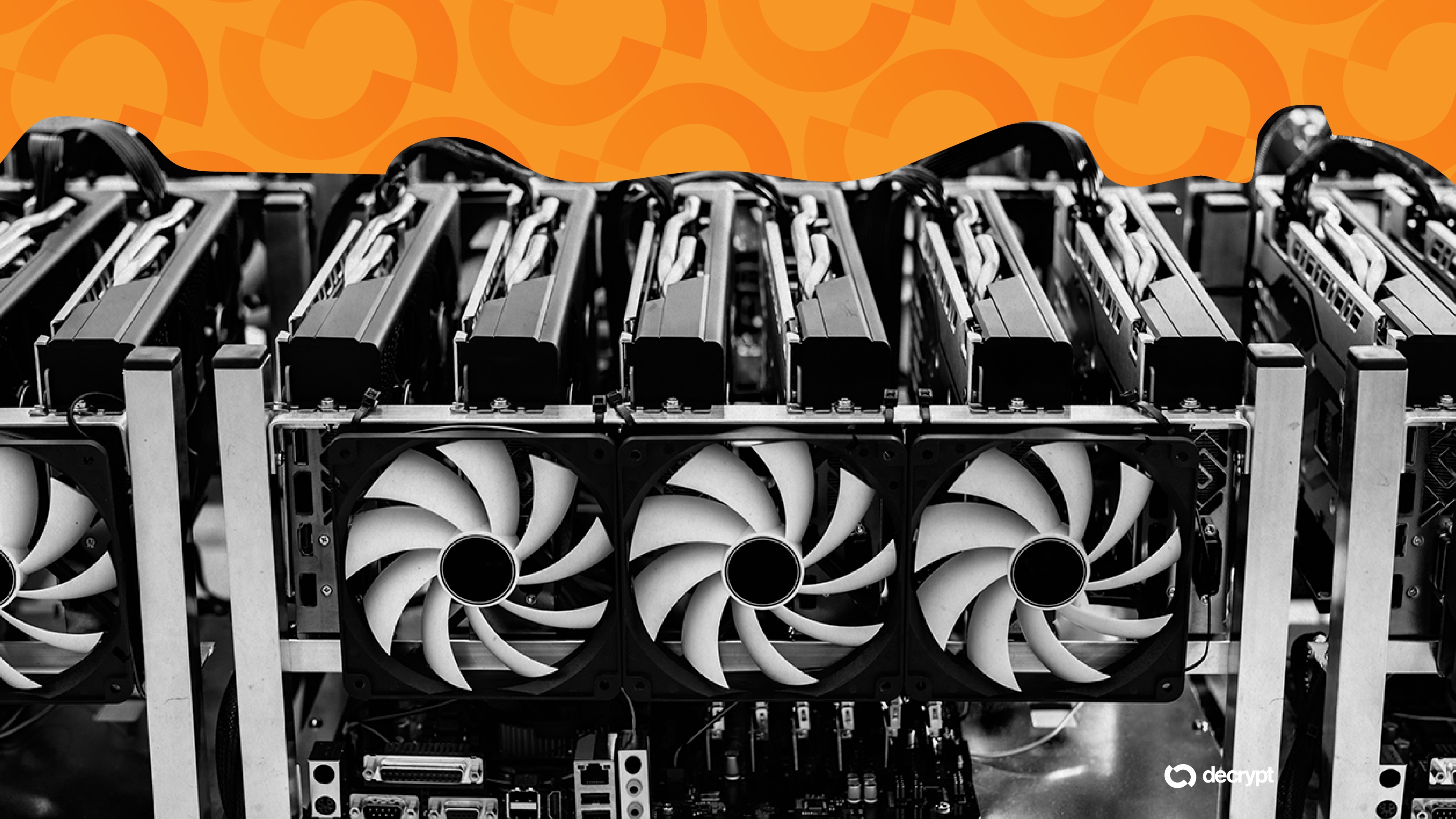
MARA Holdings, the firm we used to know as Marathon Digital, is making a massive play for real estate in Texas. This isn't just about sticking more ASIC miners in a warehouse. It’s a calculated move to secure power and land in a state that has become the global battlefield for compute. When a miner buys land, they aren't just buying dirt; they are buying the legal right to negotiate with the grid and the physical footprint required to scale into the next era of high-performance computing.
The market reacted quickly to the news, and for once, the enthusiasm feels grounded in something tangible. For years, miners have been at the mercy of third-party hosting providers and fluctuating energy contracts. By owning the land and the power infrastructure, MARA is attempting to vertically integrate. For builders in the space, this signals a shift from the 'asset-light' software dreams of the last decade back toward hard physical infrastructure. You can't run the future of the internet on vibes; you need megawatts and square footage.
The AI Pivot is No Longer Subtle
We’ve been watching this trend for months. Bitcoin miners are realizing that their core competency—managing massive electrical loads and cooling systems—is exactly what the AI industry is starving for. The acquisition of this Texas plot is a loud signal that MARA is diversifying. While Bitcoin remains their primary treasury asset, the infrastructure they are building is being designed with flexibility in mind.
If you are a founder in the AI space, this is your new competition for resources. The same buildings that house machines solving SHA-256 hashes can easily be retrofitted to house H100s for Large Language Model training. MARA is positioning itself as a landlord for the intelligence age. They are betting that even if Bitcoin volatility remains high, the global demand for compute will only go up. It’s a hedge, but it’s an expensive one that requires real skin in the game.
Why Texas Still Matters
Texas has a unique energy grid, ERCOT, which allows for interesting demand-response programs. Miners can shut down their machines when the grid is stressed, getting paid to not use power, and then ramp back up when prices drop. This makes the economics of a massive land purchase in Texas much more attractive than in other jurisdictions. As a builder, looking at how MARA utilizes the Texas grid provides a blueprint for how to handle energy-intensive operations.
However, there is a risk. As more miners and AI firms flock to the Lone Star State, the strain on the grid increases. We are seeing a race to secure 'behind-the-meter' power before the regulators or the utility companies start tightening the screws. MARA’s move is an attempt to lock in their position before the door closes. It’s the 'land rush' of the 21st century, but instead of gold, people are hunting for electrons.
Vertical Integration vs. Outsourcing
For a long time, the prevailing wisdom in tech was to outsource everything. Use AWS, use third-party data centers, keep your balance sheet lean. MARA is doing the exact opposite. They are becoming their own utility, their own landlord, and their own operator. This is a return to an older way of doing business, one where owning the means of production is the only way to ensure long-term survival.
I’ve talked to many founders who are tired of being de-platformed or seeing their margins eaten alive by cloud providers. MARA’s strategy suggests that at a certain scale, you simply have to own the foundation. If you’re building a decentralized protocol or an AI startup, you have to ask yourself: how much of your stack do you actually control? If the answer is 'none of it,' you’re not building a business; you’re renting one.
The Skeptic’s View
While the stock pop is nice for shareholders, we have to remain objective. Buying land is easy; building and maintaining world-class data centers that can compete with the likes of Microsoft or Google is a different beast entirely. MARA has to prove they can manage the transition from a single-purpose mining operation to a multi-faceted compute provider without losing their focus.
There is also the question of capital expenditure. Massive land buys and infrastructure build-outs require incredible amounts of cash. In a high-interest-rate environment, the pressure to perform is immense. If the AI bubble cools or if Bitcoin takes a prolonged dip, these massive plots of land could become expensive liabilities rather than assets. Execution is everything here.
What This Means for Builders
The takeaway for the builder community is clear: infrastructure is the new frontier. Whether you are working on DePIN (Decentralized Physical Infrastructure Networks) or trying to optimize LLM efficiency, the physical layer is where the real value is being captured right now. We are moving away from the era of 'purely digital' and back into an era where hardware and energy matter.
- Infrastructure over hype: Real assets provide a floor for valuation that code alone often cannot.
- Energy is the local currency: Understanding power markets is becoming as important as understanding the codebase for high-growth tech firms.
- Dual-purpose facilities: Designing for both Bitcoin and AI allows for better risk management in a volatile market.
MARA’s move into Texas is a bold bet on the permanence of these two industries. They are effectively saying that regardless of what happens to the price of a single coin, the demand for the infrastructure that supports it isn't going anywhere. For those of us building in the trenches, it’s a reminder that the most successful projects usually solve a physical problem, not just a digital one.
Read the original at Decrypt →