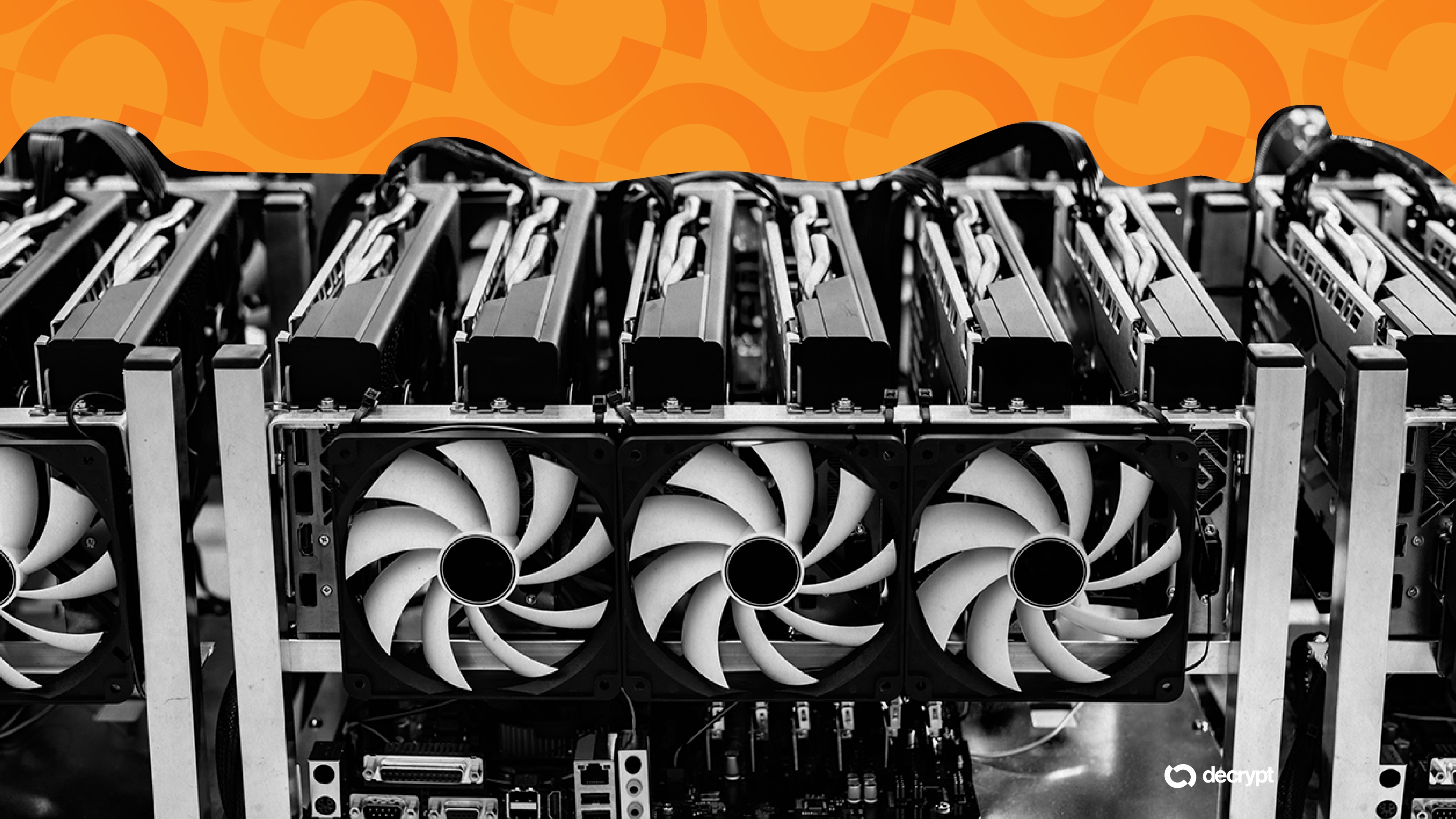
We have reached the point in the cycle where calling someone a bitcoin miner is starting to sound like an insult. If you are running a massive warehouse full of ASICs, the equity markets look at you as a commodity producer struggling with rising power costs and a shrinking subsidy. But if you call that same warehouse an AI data center, suddenly the multiples change.
The Value Mismatch
Recent analysis from Compass Point highlights a strange divergence in how we value infrastructure. Companies like Cipher Mining and TeraWulf are sitting on massive power allocations and signed contracts for high-performance computing, yet their stock prices do not seem to reflect the sheer scale of the revenue those pipelines represent. To put it bluntly, the market is pricing these companies based on the volatile price of a digital coin, while ignoring the boring, predictable, and incredibly lucrative checks coming from companies that need to train large language models.
For years, the pitch for miners was simple: secure the network, earn the block reward, and hope the price goes up. Today, the pitch is about power permits and cooling systems. The mining rigs are becoming the backup plan, a way to monetize energy while the primary business pivots to hosting GPUs. This is not just a trend; it is a structural shift in how physical digital infrastructure is built and financed.
Why the Market is Hesitant
It is easy to see why investors are skeptical. We have seen this movie before. Every time a new buzzword hits the scene, every struggling tech firm pivots its LinkedIn bio to match. But there is a difference between a press release and a signed lease. Compass Point argues that billions of dollars in signed contracts for AI infrastructure are currently being valued at next to nothing by the public markets.
Part of the problem is the legacy of the crypto-miner label. To a traditional fund manager, a miner is a high-risk bet on a single asset. Transitioning that perception to become an AI infrastructure play takes time. It requires proving that you can actually handle the uptime requirements and the massive capital expenditures that come with H100s and liquid cooling. It is a much higher bar than just plugging in some Bitmain machines and pointing them at a pool.
The Power Monopoly
The real asset here isn't the bitcoin. It isn't even the servers. It is the grid connection. In the current environment, securing 100 or 500 megawatts of power is like finding a gold vein. It takes years of bureaucratic fighting, environmental impact reports, and local government lobbying to get that kind of juice flowing into a single building. Builders who already have this infrastructure are standing on top of a moat that is getting wider every day as the demand for AI training grows.
Companies like TeraWulf have been vocal about their low-carbon energy mandates. In the AI world, ESG isn't just a marketing slogan; it's often a requirement for the big tech clients who are looking to outsource their compute needs. If you can provide clean, cheap power at scale, you aren't a miner anymore. You are a landlord for the next Industrial Revolution.
What This Means for Builders
If you are building in the crypto space, you need to pay attention to the pivot. The era of pure-play bitcoin mining as a blue-chip investment might be closing. The winners of the next decade are the ones who can flip a switch between validating blocks and training neural networks. Flexibility is the highest-value feature a founder can offer right now.
For those of us in the trenches, it means the stack is merging. We used to talk about the separation of decentralized finance and artificial intelligence. Now, they are fighting for the same square footage and the same transformers on the electrical grid. If you are building software, you are competing for the compute that these warehouses provide. If you are building hardware, you are trying to convince these site operators that your tech is more profitable than a tenant who wants to run an LLM.
The Risk of the AI Bubble
I would be remiss if I didn't add a dose of skepticism. While the contracts are signed, the actual delivery of these AI services is still in its infancy. We are in a CapEx boom. Historically, every massive infrastructure spent-fest is followed by a period of reckoning where we find out if any of these AI applications actually generate the cash flow required to pay back the hardware. If the AI hype cycle pops before these miners fully transition, they could find themselves with specialized infrastructure that nobody wants to rent.
However, the difference between this and the 2017 crypto boom is the counterparty risk. We aren't talking about retail investors buying ICO tokens. We are talking about some of the most capitalized companies in human history committing to multi-year leases for compute. That is a much more stable foundation than a speculative retail frenzy.
Looking Ahead
The undervaluation of firms like Cipher and TeraWulf suggests that the broader market still does not understand the scarcity of power. They are looking at the quarterly earnings from bitcoin rewards and missing the twenty-year horizon of the AI contract. As these sites come online and the revenue starts hitting the balance sheets, the transition from miner to infrastructure play will be complete.
As a builder, your takeaway should be this: infrastructure is the only real truth in this industry. Whether the price of bitcoin is at fifty thousand or five hundred thousand, the world needs more power and more compute. The people who control the land, the permits, and the electricity are the ones who hold the cards. Don't get distracted by the ticker price; watch the gigawatts.
The market is currently treating AI infrastructure like a speculative bet, but for the companies holding the leases, it is already a contracted reality.
We are going to see more of these legacy miners rebrand. Some will do it because they have to, but the smart ones are doing it because the math is simply undeniable. At the end of the day, a watt of electricity sold to an AI firm is currently worth more than a watt spent on a hash. It is that simple.
Read the original at CoinDesk →