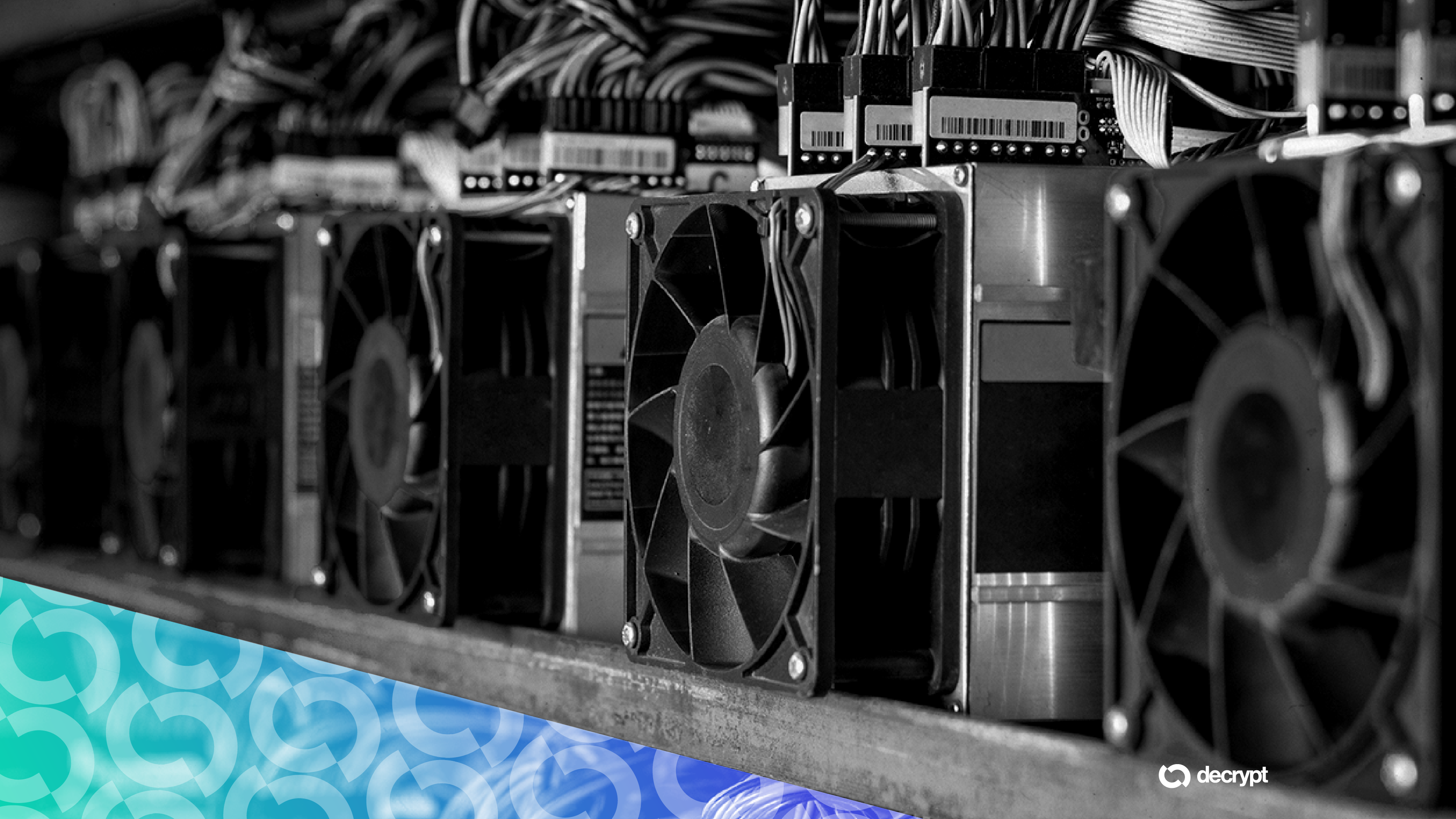
When you look at the sheer physics of the crypto industry, the math eventually hits a wall. For years, miners have been hunting for the cheapest electrons on the planet, often landing in places where the grid is slightly less than robust. In Malaysia, that hunt just took a significant hit. The government recently wrapped a systematic multi-year sweep, resulting in the seizure of over 75,000 mining rigs. This wasn't just a regulatory slap on the wrist; it was a mass extraction of hardware from a shadow economy that had been bleeding the national grid dry.
The Cost of Bypassing the Grid
Since 2022, Malaysian authorities have conducted over 3,000 raids. If you're building in the physical infrastructure space, those numbers should give you pause. We are talking about over 600 arrests and a massive mobilization of law enforcement. The core issue wasn't the legality of owning a Bitcoin miner; it was the theft of electricity. Miners were reportedly tapping into power lines before the meters, essentially forcing the public and the utility providers to subsidize their hash rate.
For founders, this is a lesson in sustainability. If your business model relies on exploiting a public utility or finding a loophole in local energy infrastructure, you aren't building a company; you're managing a countdown clock until the local government decides you're a liability. Tenaga Nasional Berhard, the utility provider involved here, likely saw the anomalies in load distribution way before the raids began. In a world of smart grids and AI-monitored energy consumption, you can't hide a massive industrial load forever.
The Logistics of 75,000 Units
To put the scale into perspective, 75,000 units represent a massive amount of capital investment. These aren't just hobbyist GPUs; these are heavy-duty ASICs designed for one thing. When these machines are seized, they don't just go back into circulation. Often, as we've seen in previous Malaysian enforcement actions, they are steamrolled or crushed to ensure they don't migrate to the next illegal warehouse down the road.
If you're an investor or a builder in this space, you have to look at the massive waste of hardware. This is thousands of tons of electronic waste created because the operators couldn't—or wouldn't—negotiate proper PPA (Power Purchase Agreements). It’s the ultimate example of the "move fast and break things" mentality hitting a hard, concrete wall of physical reality.
Why This Matters for DePIN and AI Builders
We are currently seeing a massive pivot in the tech world toward DePIN (Decentralized Physical Infrastructure Networks) and localized AI compute. The pitch is always the same: let's use underutilized resources to power the next generation of the internet. But Malaysia’s crackdown proves that there is no such thing as an "underutilized" resource when it comes to the power grid during peak hours.
If you are building a decentralized compute network, you have to ask yourself: how do I know my nodes aren't stealing power? If your network’s growth is fueled by bad actors who are cheating their local utilities, your network is inherently fragile. The moment the local police show up and seize the hardware, your network loses its redundancy and its reputation.
- Physical infrastructure requires physical compliance.
- Energy transparently is becoming a baseline requirement for institutional trust.
- Regulatory arbitrage works until the local grid starts to fail.
The Founder's Perspective
My take on this is simple: the era of the "location-agnostic" miner who hides in a warehouse is ending. As electricity prices rise globally and grids become more stressed by the demands of AI and EVs, governments are going to be hyper-vigilant about energy theft. They aren't just looking for the lost revenue; they are protecting the stability of their cities.
Builders who want to survive need to stop looking for the cheapest, shadiest way to plug in. Success in the next decade of infrastructure won't be about who has the most rigs; it will be about who has the most stable, transparent, and legally sound relationship with the energy providers. When you steal power, you make yourself a target for a populist crackdown. No politician loses votes by going after "crypto miners who are making your lights flicker."
The biggest risk to any hardware-based startup isn't the competition; it's the knock on the door from a utility inspector accompanied by the police.
We need to move past the idea that decentralization is a shield against local laws. If you are using physical resources, you are subject to physical laws. Those 629 people arrested in Malaysia are finding that out the hard way. For the rest of us, it’s a clear signal to double-check the sourcing of our compute and the integrity of our partners.
Takeaway for the Industry
The Malaysian crackdown isn't a war on crypto; it’s a war on theft. For the builders I talk to every day, the message is clear: build where you are welcome, pay for what you use, and don't assume that because your business is digital, your footprint is invisible. The grid always knows.
Read the original at Decrypt →