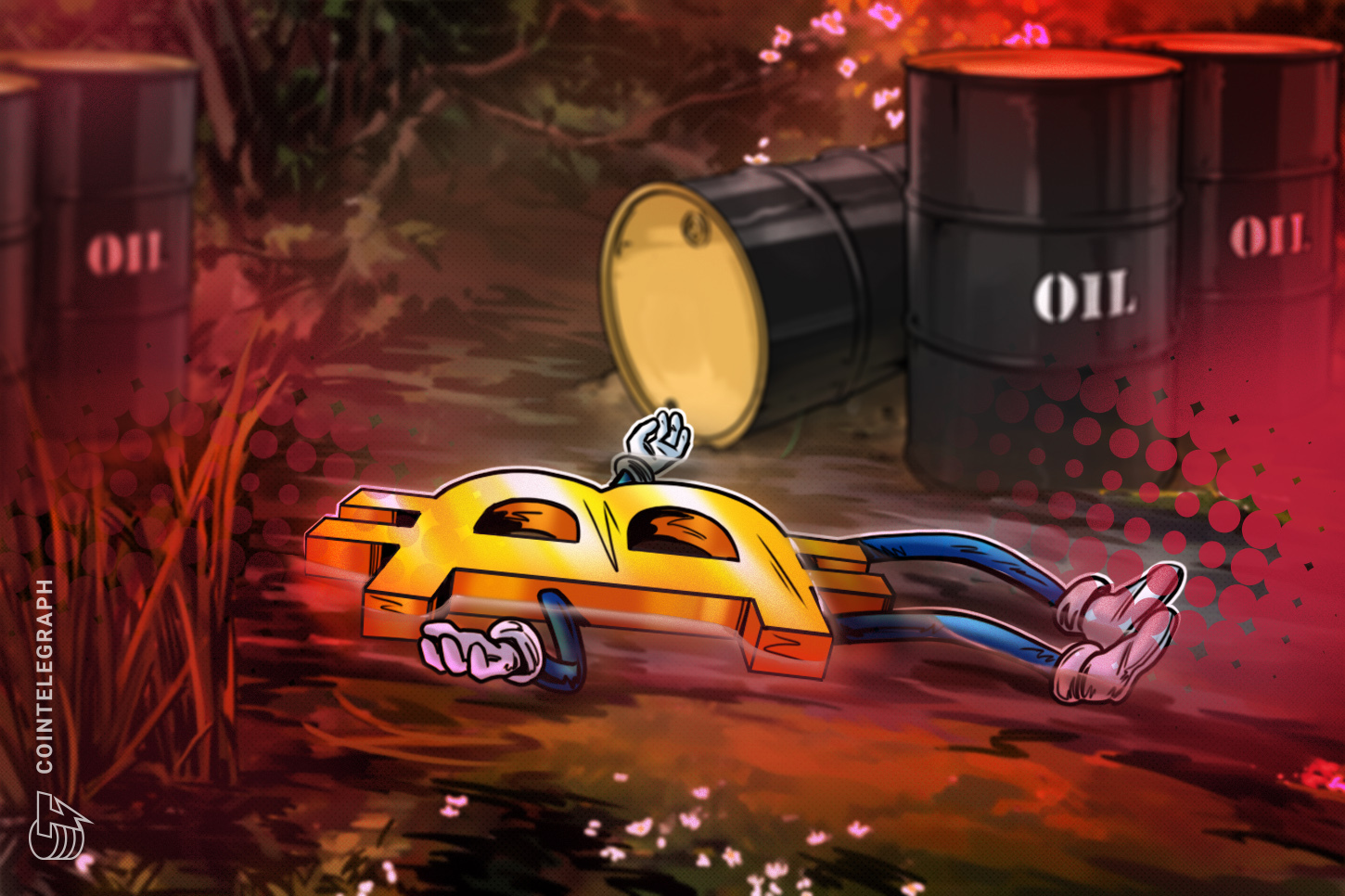
We have spent the last few months talking about institutional adoption and the halving cycle, but the reality of building in crypto is that you are always at the mercy of the macro landscape. This week, that landscape got a lot uglier. As ceasefire talks between the U.S. and Iran faltered, the immediate fallout didn't just hit the oil markets; it sent Bitcoin back down toward the $61,000 range. For those of us building products or managing treasuries, this is a sharp reminder that Bitcoin is still behaving like a risk asset when the bullets start flying.
The Strait of Hormuz and Your Portfolio
The core of the issue is energy security. When a ceasefire collapses in that region, the market immediately looks at the Strait of Hormuz. It is a narrow waterway, but it carries a massive percentage of the global oil supply. The threat of a blockade is essentially a threat to the global economy's engine. When oil prices jumped toward $75 a barrel, it triggered a flight to safety. Ironically, for most large-scale investors, safety right now still looks like the U.S. dollar and short-term treasuries, not a volatile digital asset.
Bitcoin was designed to be an alternative to central bank failing, but in the short term, it reacts to liquidity. When oil prices spike, inflationary fears return. When inflation fears return, the Federal Reserve stays hawkish. When the Fed stays hawkish, there is less cheap money for speculative assets. It is a simple chain reaction, but one that many founders ignore until their runway valuation drops by 10% in a single afternoon.
Why $61,000 Matters to Builders
Technically, the $61,000 mark is more than just a line on a chart. It represents a psychological floor for the current market structure. If we stay above it, the narrative of a steady climb remains intact. If we break below it, we are looking at a period of sideways grinding that can kill the momentum for new project launches and funding rounds. As a founder, you have to look at these levels not as a trader, but as a weather forecast. If the weather is stormy, you don't launch your most ambitious marketing campaign.
- Increased Cost of Capital: Geopolitical tension equals higher interest rates for longer, which means VC money stays on the sidelines.
- Energy Narrative: Rising oil prices push the conversation back toward Bitcoin's energy consumption, which is never a fun PR battle to fight.
- Correlated Risk: Despite the "digital gold" marketing, Bitcoin is moving in lockstep with the tech-heavy Nasdaq when geopolitical shocks occur.
What I find interesting is how quickly the narrative changes. A week ago, everyone was talking about the next leg up to $80,000. One failed diplomatic meeting later, and we are worried about liquidations. This should tell you that the market is still fragile. It is built on a foundation of leverage that gets shaky the moment world leaders stop shaking hands.
A Founder's Perspective on Macro Shocks
I have seen this cycle play out before. When I talk to people building in the AI and crypto space, the biggest mistake they make is assuming the price of BTC is a vacuum. It isn't. If you are building an application that relies on low transaction costs or high retail engagement, these macro dips are a signal to buckle down on utility. Speculation drives the price, but utility sustains the ecosystem when the speculators run for the hills because gas prices went up.
The threat of a Hormuz blockade is a "black swan" that isn't really a black swan anymore—it is a known risk. Any builder who hasn't hedged their treasury against a 20% drawdown in a high-tension global environment is asking for trouble. We are currently seeing a re-pricing of risk across the board. If Iran moves to restrict the flow of oil, the inflationary pressure will be immense. This forces the hands of central banks, and it squeezes the disposable income of the very people we want using our decentralized applications.
Bitcoin is a hedge against the system, but it is currently priced by the system. Until that changes, geopolitics is a lead indicator for your roadmap.
The Path Forward
So, what do we do? First, stop watching the one-minute candles. The $61,000 support level is important, but the underlying cause—international instability—is what matters for the long term. If you are a founder, your job is to survive the volatility so you can thrive during the stability. This means keeping your burn low and your eyes on the horizon.
We are going to see more of this. The intersection of global energy politics and digital finance is only going to get more crowded. Bitcoin is the first truly global, 24/7 market that reacts to these events in real-time. Before the news even hits the mainstream wires, the price of BTC is often already reflecting the new reality. That makes it a great barometer, but a stressful asset to hold if you don't have a long-term conviction.
Ultimately, the collapse of a ceasefire is a human tragedy first and a market event second. But in the cold logic of the charts, it serves as a stress test. Bitcoin is being tested to see if it can hold its ground while the traditional energy sector is in chaos. For now, it is struggling to maintain its footing. That is a clear signal that the market isn't yet convinced of Bitcoin's status as a safe haven during active conflict.
The Takeaway for Builders
The lesson here isn't to fear the dip; it is to respect the macro. If you are building in Web3, you are part of a global financial experiment that is currently being stress-tested by 20th-century energy problems. Don't let the noise distract you from the build, but don't be so caught up in the code that you miss the fact that the world is changing around you. The $61,000 level is the line in the sand for today, but the real challenge is building something that people need regardless of what happens in the Strait of Hormuz.
Read the original at Cointelegraph →