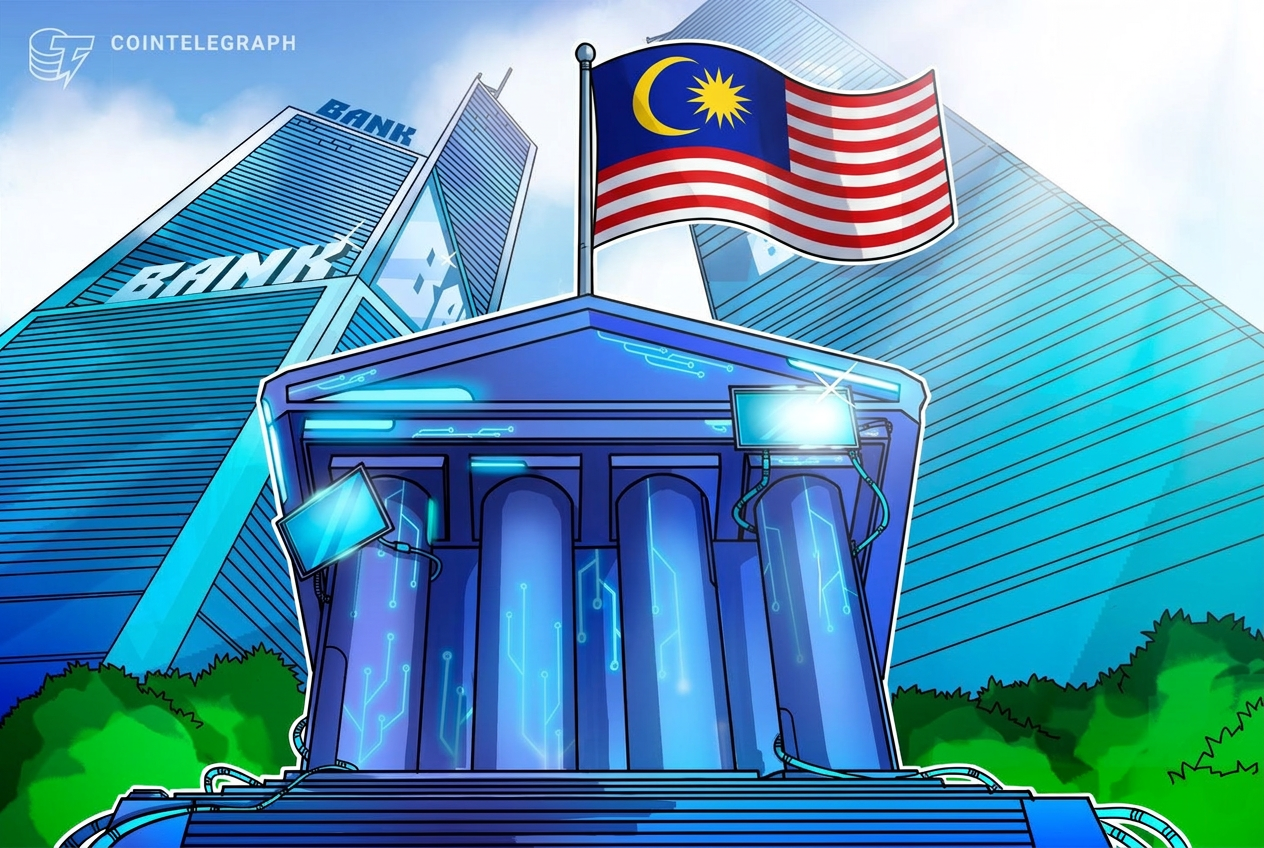
Bank Negara Malaysia just launched a distributed ledger technology platform to handle the heavy lifting of tokenized bonds and Sukuk. For those outside the region, Sukuk are essentially Islamic financial certificates, similar to bonds but compliant with Sharia law. This isn't a pilot project designed to gather dust. It is a live integration with the country’s existing Real-time Electronic Transfer of Funds and Securities System, also known as RENTAS.
The Plumbing is Getting an Upgrade
When we talk about blockchain in a builder context, we often get bogged down in the price of tokens or the latest DeFi yield farm. But central banks don't care about your memecoins. They care about settlement times, counterparty risk, and transparency. Malaysia’s move to link a DLT platform with central bank money is a sign that the plumbing of the financial world is finally catching up to the internet age.
By using a private blockchain to track the ownership and transfer of these securities, the central bank is effectively automating the ledger. In the old world, you have fragmented databases that have to talk to each other through a series of slow, manual reconciliations. In the DLT world, the ledger is the source of truth. When ownership moves on the chain, the payment triggers in the RENTAS system. It’s cleaner, faster, and significantly harder to mess up.
Why This Matters for Builders
If you are building in the crypto space, you need to look at what is happening in Southeast Asia. While Western regulators are busy arguing over whether everything is a security, countries like Malaysia are actually building the infrastructure to handle securities on-chain. This creates a massive opportunity for developers who understand how to bridge the gap between traditional finance systems and distributed ledgers.
- Interoperability is king: The win here isn't the blockchain itself; it’s the connection to RENTAS. Builders should focus on how their protocols can hook into existing legacy systems rather than trying to replace them entirely.
- The institutional shift: We are seeing a move toward regulated, permissioned environments. This might not appeal to the cypherpunk purists, but it is where the trillion-dollar liquidity resides.
- Sukuk and niche markets: Tokenizing Islamic finance instruments is a massive, underserved market. Malaysia is a global leader in this space, and this platform provides a blueprint for how to handle specialized financial products on-chain.
The Reality of Central Bank DLT
Let’s be honest: a central bank using a private blockchain is basically just a very efficient database with shared access. It isn't decentralized in the way Bitcoin is. Bank Negara Malaysia still holds the keys. They still decide who gets to participate. However, from a founder's perspective, this doesn't matter as much as the precedent it sets. Once you move the underlying assets to a ledger, you open the door for more complex financial logic.
Think about smart contracts. Once a bond is tokenized, you can program interest payments, maturity dates, and compliance checks directly into the asset. You no longer need a room full of back-office staff to verify that a payment was made. The system does it for you. This is the efficiency gain that will eventually force every central bank in the world to adopt some form of DLT.
The real innovation here isn't the 'blockchain' buzzword; it is the reduction of friction in a system that has been clunky for decades.
The Skeptic's Corner
Of course, we should keep a healthy dose of skepticism. Just because a central bank launches a platform doesn't mean it will be widely adopted by the private sector overnight. Banks are notoriously slow to change their workflows. There is also the question of privacy. In a DLT environment, the central bank has a god-eye view of every transaction. For institutional players, that might be a feature, but for others, it’s a bug.
We also have to look at the tech stack. Many of these central bank projects end up being over-engineered versions of things that could have been done with a standard API. The test for Malaysia will be whether this platform actually lowers the cost of issuing and trading Sukuk. If the fees don't go down and the speed doesn't noticeably increase, then it’s just theater.
The Long Game
I’ve said it before, and I’ll say it again: the future of finance is tokenized. We are moving toward a world where every asset—whether it’s a house, a share of a company, or a government bond—lives on a ledger. Malaysia’s move to integrate this with their national payment system is a major step toward that reality. It proves that DLT isn't just for speculative trading; it's a legitimate tool for sovereign financial management.
For founders, the takeaway is clear. Stop looking for the next 'killer app' in a vacuum and start looking at the friction points in traditional finance. The institutions are finally opening the door to DLT. If you can build the tools that make their transition easier, you won't need to worry about the next bear market.
What to Watch Next
Keep an eye on the volume of transactions moving through this new platform over the next twelve months. If we see a significant migration of Sukuk issuance to the DLT side, it will serve as a green light for other central banks in the region to follow suit. Singapore and Thailand are already experimenting with similar tech, but Malaysia’s deep roots in Islamic finance give them a unique edge in this specific vertical.
The era of 'blockchain for the sake of blockchain' is over. We are now in the era of 'blockchain for the sake of settlement.' It’s less flashy, but it’s a much bigger business.
Read the original at Cointelegraph →