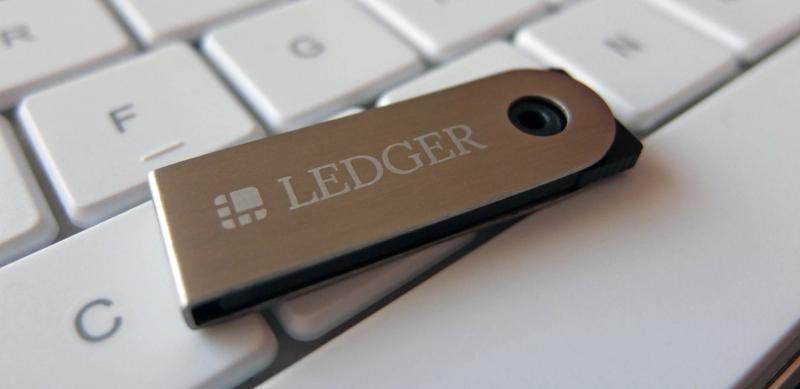
The Physical Layer is the New Frontline
For years, we have told ourselves a specific lie in the crypto world: if the private keys never touch the internet, they are safe. We call it cold storage. We treat hardware wallets like holy relics. But the recent revelation from Ledger regarding tampered devices sold by the reseller CryptoBilis ruins that narrative. It turns out, your keys don't need your permission to join a network if the hardware itself is built to betray you.
Ledger finally went public with the mechanics of a sophisticated supply chain attack. They found a covert "spy" chip embedded inside devices sold through this specific third-party vendor. This wasn't a software hack or a phishing link. It was a physical modification designed to intercept master keys and broadcast them over a mobile cellular network. This is a founder’s nightmare because it bypasses every standard security protocol we rely on.
How the Breach Actually Worked
Most people assume a hardware wallet is a single, unified piece of tech. In reality, it is a collection of components. The attackers managed to insert a rogue component into the circuitry. This chip acted like a parasite. When a user initialized their device and generated their recovery phrase, the spy chip captured that data directly from the internal communication lines of the hardware.
The terrifying part is the transmission method. The chip didn't try to use your computer’s Wi-Fi or your phone’s Bluetooth, which would leave a digital footprint or trigger an OS alert. Instead, it used an independent mobile radio. It functioned like a tiny, self-contained cell phone hidden inside the plastic casing. It waited for the key to be generated, then sent that data out over a cellular band to a remote server. The user remains completely unaware because the Ledger Live software continues to report that everything is fine.
This is a high-effort, high-cost attack. It requires physical access to the supply chain and sophisticated electrical engineering. It tells us that the attackers aren't just script kiddies; they are well-funded entities targeting the physical bridge between the user and the blockchain.
The Reseller Trap
As builders and founders, we often look for ways to optimize. Sometimes that means buying gear from local distributors to save on shipping or customs. But this incident proves that the supply chain is only as strong as its most vulnerable node. CryptoBilis was a known name, yet they became the vector for a hardware-level exploit.
Ledger’s software remained uncompromised. Their firmware was intact. The vulnerability existed in the physical atoms of the device. This creates a massive trust gap. If you cannot trust the hardware you hold in your hand, the entire concept of self-custody starts to feel like a house of cards.
What This Means for Builders
If you are building in the infrastructure or custody space, you need to stop thinking exclusively about code. We spend millions on audits for smart contracts and penetration testing for web apps, but we rarely talk about hardware integrity. This breach suggests that we need to move toward a model of verifiable hardware.
- Transparency is mandatory: We need devices that are easy to open and inspect without breaking them. The era of "security through obscurity" in hardware design is failing.
- Redundancy in Custody: Relying on a single hardware vendor is a single point of failure. Founders should be looking at multi-signature setups that utilize different hardware manufacturers. If one brand has a compromised batch, your funds stay safe.
- Supply Chain Audit: If you are distributing hardware to your team, you must buy directly from the source. The discount you get from a third-party reseller isn't worth the risk of a total treasury drain.
A Skeptical Look at the Response
Ledger’s decision to come clean is a good first step, but it raises uncomfortable questions. How long was this going on? How many devices are still out there in the wild? The reality is that hardware wallets are often bought and tucked away in safes for years. We might not know the full scale of this for a long time.
There is also the question of detection. If a device has its own cellular radio, how is a standard user supposed to find it? Most of us don't have X-ray machines or the engineering background to spot a rogue chip on a crowded PCB. We are essentially forced to trust the manufacturer’s quality control and the integrity of the delivery driver.
The Founder’s Takeaway
The CryptoBilis incident is a wake-up call that the "cold" in cold storage is a relative term. If the hardware can talk to a cell tower, it isn't cold. It is just a very quiet hot wallet. For those of us building the future of finance, this is a reminder to stay humble about our security assumptions.
Stop treating hardware as a solved problem. Treat it as another attack surface that requires constant vigilance. Buy direct, use multi-sig, and never assume that just because a device is offline, it is actually alone.
Read the original at CoinDesk →