The Supply Chain is Your Greatest Vulnerability
We have been told for years that if you want to be your own bank, you need a hardware wallet. It is the cardinal rule of self-custody. But recent reports regarding Ledger devices sold through a Southeast Asian reseller are forcing a conversation that most founders and builders have been avoiding: hardware is only as good as the hands it passes through before it reaches yours.
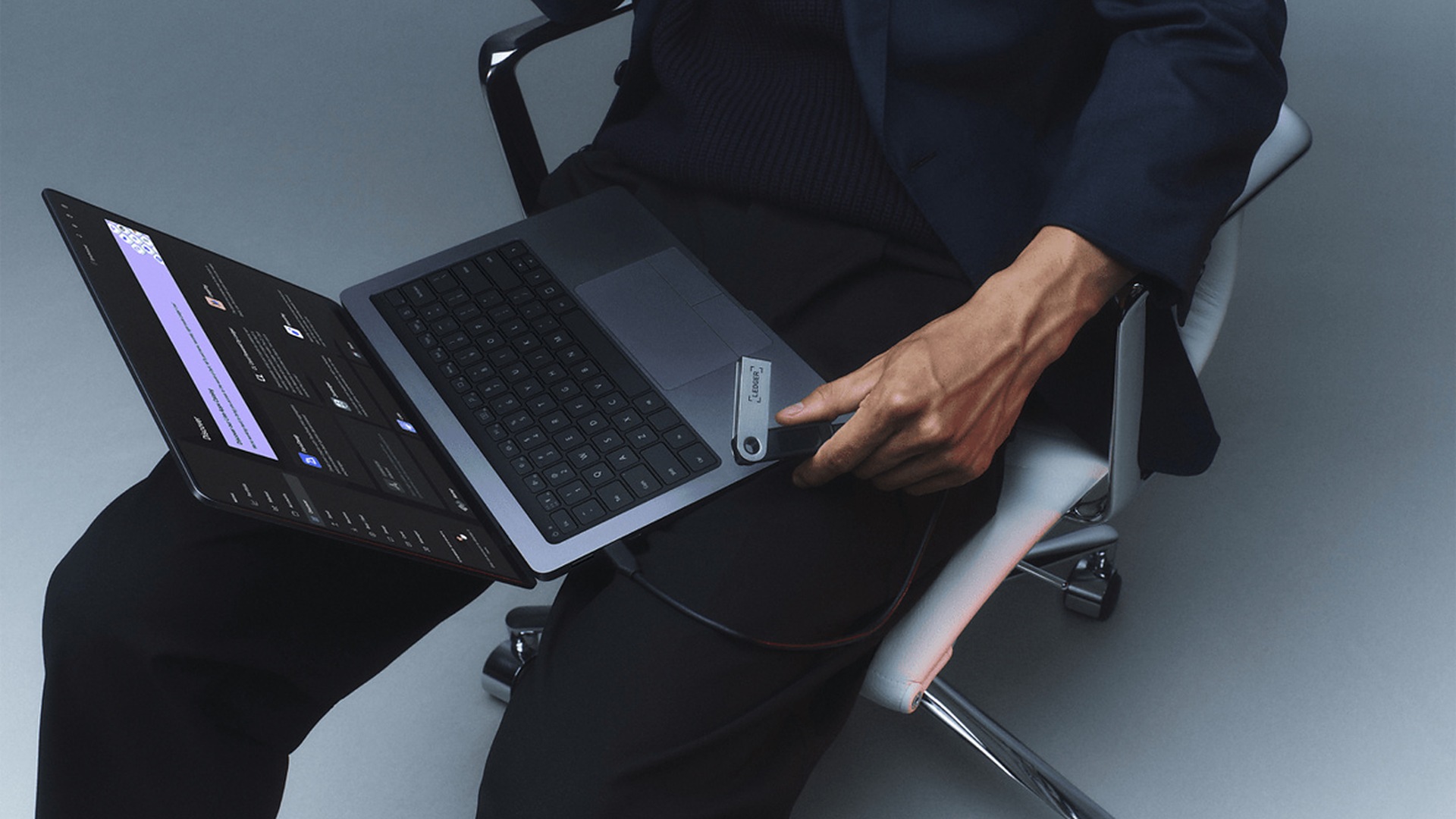
Reports have surfaced that users purchasing Ledger devices from a Malaysia-based reseller have experienced total fund losses. The culprit wasn't a software bug or a remote hack. It was an implant. Someone physically opened these devices, modified them to compromise the seed generation process, and put them back in the box. By the time the user plugged it in, the house was already bugged.
As someone who builds in this space, this shouldn't just be another headline. It is a reminder that in the world of trustless systems, the physical world remains the weakest link.
The Illusion of the Shrink-wrap
We often rely on what I call security theater. We look for the holographic sticker, the shrink-wrap, and the pristine cardboard box. We assume that if the packaging is intact, the silicon inside is honest. The reality is that sophisticated bad actors can replicate packaging with ease. If they have the resources to engineer a hardware implant, they definitely have a heat-sealer.
Ledger has responded by investigating these specific cases, but the damage to the user's psyche is done. For a builder, this highlights a massive friction point in onboarding the next billion users. If we tell people they are only safe if they buy directly from a factory in France and wait three weeks for shipping, we aren't exactly creating a seamless user experience. Yet, the alternative—buying from a local third-party—just became a game of Russian roulette.
Why Implants are the Ultimate Backdoor
Software hacks are loud. They often leave traces in the code or require the user to click a suspicious link. A hardware implant is silent. It works by ensuring the "random" numbers generated for your private keys aren't random at all. They are predictable to the attacker. You can set up your wallet, write down your words, and feel perfectly secure, while the attacker simply waits for you to deposit enough capital to make the heist worth their time.
This is a chilling prospect for founders who are holding company treasuries on hardware. If your operational security relies solely on a piece of plastic you bought on a regional marketplace to save on shipping, you are architecting a disaster.
What This Means for the Builder Community
We need to stop treating hardware wallets as magical totems of invincibility. From a founder's perspective, this incident should trigger three immediate shifts in how we think about custody:
- Supply Chain Verification: We need better ways to verify the integrity of hardware at the chip level, not just the box level. If the end-user can't verify the hardware, they are trusting the reseller with their life savings.
- Multi-Vendor Diversification: No single point of failure should exist. If you are building a protocol or a startup, using a single hardware brand for your multi-sig is a mistake. If one brand's supply chain is compromised, your entire treasury is at risk.
- The Rise of Multi-Party Computation (MPC): This incident makes a strong case for MPC and other software-based distributed custody solutions. While hardware has its place, the physical vulnerability of these devices is a debt we haven't fully accounted for.
The Skeptical Take
Ledger will likely say their official devices are secure and that users should only buy from authorized channels. That is a fair stance, but it ignores the reality of global commerce. In many parts of the world, authorized channels don't exist or are prohibitively expensive. This creates a two-tier security system: those who can afford direct shipping and those who take their chances with resellers.
I’m skeptical that we can ever truly "solve" the physical supply chain problem for retail consumers. As long as there is a physical object that can be intercepted, there is a way to compromise it. The industry’s obsession with hardware might actually be holding us back from developing more resilient, decentralized custody methods that don't rely on the postal service.
Hardware is a physical manifestation of trust. When that trust is broken at the source, the entire value proposition of the device evaporates.
A Founder’s Action Plan
If you are managing funds, stop buying hardware from anyone other than the manufacturer. Period. If you have devices in your office that were sourced through third parties, consider them compromised. It is cheaper to buy a new wallet than to lose your entire stack because you wanted to save $20 on a reseller discount.
For those building the next generation of wallets: focus on transparency. We need open-source hardware and reproducible builds. We need tools that allow a user to verify their device's firmware and hardware integrity without needing a PhD in electrical engineering. Until then, the supply chain remains a black box.
The Takeaway
The Ledger incidents in Southeast Asia are a wake-up call. We are moving toward a world where the most effective hacks aren't happening in the cloud—they are happening in the warehouse. Don't let your security strategy stop at the software layer. If you don't know exactly where your hardware came from, you don't own your keys; the middleman does.
Read the original at Bitcoin Magazine →