The Illusion of Total Control
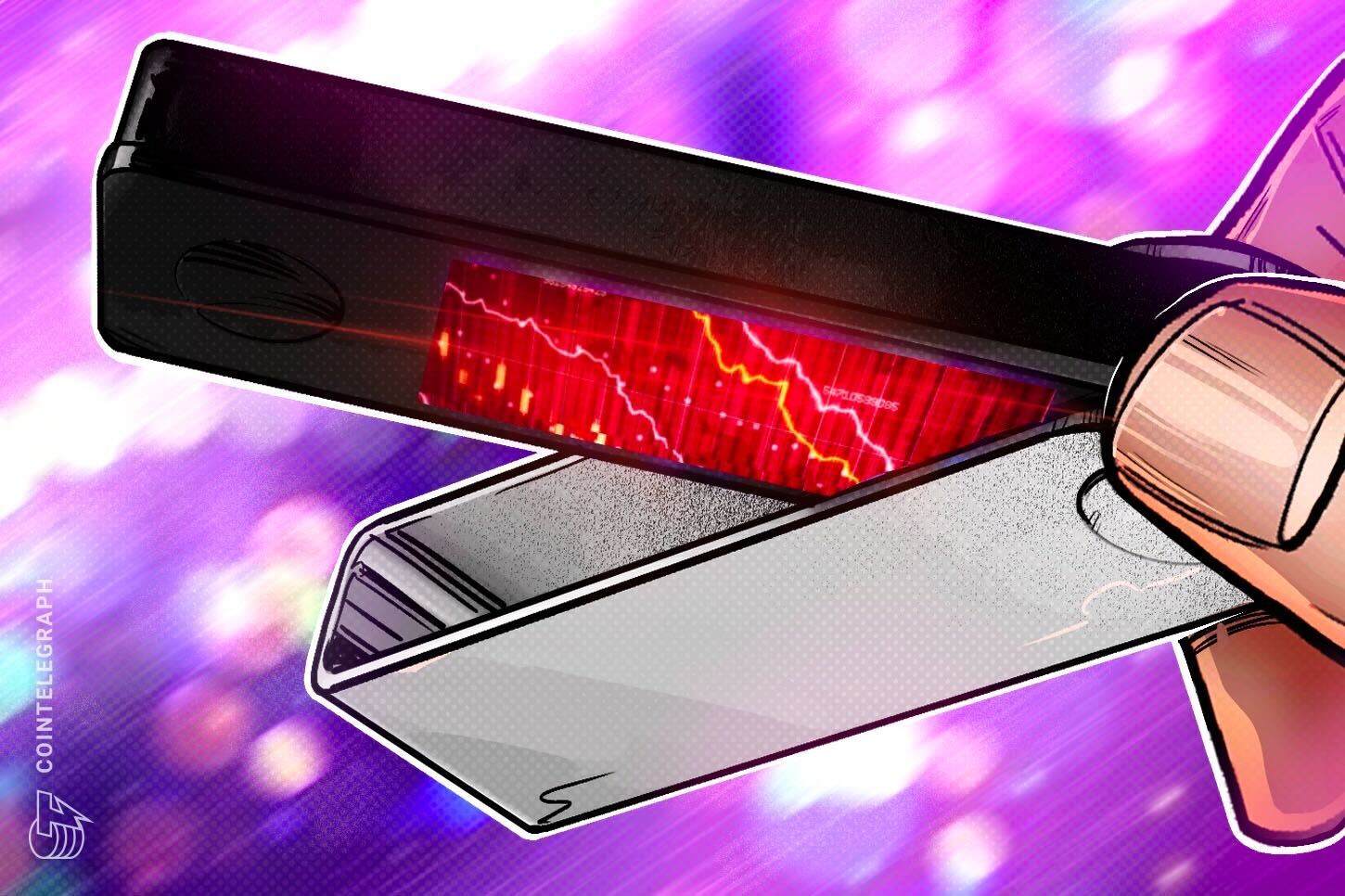
For a decade, the crypto mantra has been simple: not your keys, not your coins. We’ve told every builder, founder, and dev that the only way to be safe is to hold your own private keys on a piece of dedicated hardware. We treated these devices like sacred totems of security. But recent reports of unauthorized hardware implants in Ledger devices are a cold shower for that ideology. It turns out that even when you hold the device in your hand, you might not be the only one with access.
This isn't just another firmware bug or a software vulnerability that can be patched over the air. This is a supply chain attack. Someone, somewhere between the factory and the end-user, physically modified the hardware to compromise it. For the person building a project or managing a treasury, this creates a massive paradox. The tool we use to escape third-party risk has become a third-party risk itself.
The ETF Argument for Founders
We usually mock the idea of holding Bitcoin through an ETF. To a pure technologist, an ETF is just a wrapper for a legacy financial system that crypto was meant to replace. But when physical implants start showing up in hardware wallets, the custodial model of a Bitcoin ETF starts to look less like a compromise and more like a logical risk management strategy. For a founder focused on building a product rather than managing a 24/7 security protocol, the trade-offs are changing.
Institutional custodians like Coinbase or Fidelity aren't using a single Ledger device they bought off a website. They operate with multi-signature protocols, geographically distributed cold storage, and insurance policies that an individual founder simply cannot replicate. They have teams whose entire job is to verify the integrity of their hardware at a level the average dev doesn't have time for. If you’re building an AI startup and using your own hardware wallet for the company’s runway, a single hardware implant could wipe you out before you even ship your MVP.
Supply Chain Vulnerability vs. Custodial Risk
The core of the issue is the supply chain. When you buy a hardware wallet, you are trusting the manufacturer, the shipping company, the customs agents, and the delivery driver. Each point in that chain is a vulnerability. The recent discovery of these implants proves that the physical security of these devices is not a given. It’s a sophisticated attack vector that requires a high level of expertise to even detect, let alone prevent.
On the flip side, an ETF introduces regulatory and platform risk. You don't actually own the Bitcoin; you own a claim on it. If the government decides to freeze assets or the fund manager goes bust, you’re in a different kind of trouble. But for many builders, the risk of a government seizure feels more remote than the risk of a malicious chip hidden inside a plastic case. It’s a matter of choosing which flavor of risk you can live with.
Why Builders Should Care
If you are a founder, your primary asset is your time and your focus. Self-custody is a full-time job if you do it correctly. You need to worry about seed phrase redundancy, physical security of the device, and now, the physical integrity of the hardware itself. If you’re managing $50,000 in seed funding, is it worth the mental overhead to be your own bank, or is it better to pay a small fee to an ETF provider and let them handle the hardware audits?
I’ve always been a proponent of sovereignty, but I’m also a realist. A builder who loses their capital to a hardware exploit is just as broke as a builder who loses it to a centralized exchange collapse. The difference is that the centralized entities are now under a level of scrutiny and regulatory pressure that makes them arguably more stable than a compromised piece of hardware in your desk drawer.
The Middle Ground: Multi-Sig and Diversification
The answer isn't necessarily to sell everything and buy BlackRock’s IBIT. The answer for builders is to stop treating security as a binary choice between "self-custody" and "custodial." The smartest play right now is a hybrid approach. You use hardware wallets for what they are good for—long-term, air-gapped storage—but you don't put all your eggs in one manufacturer’s basket. You use multi-sig setups that require keys from different hardware vendors (like a Ledger, a Trezor, and a Coldcard) so that a single supply chain attack can’t ruin you.
At the same time, using an ETF for a portion of your liquid capital isn't a betrayal of the movement; it's just good business. It provides a layer of protection against physical theft and supply chain tampering. If your house gets robbed and your hardware wallets are taken, your ETF shares remain safe in your brokerage account. For a founder, that kind of redundancy is priceless.
Final Reality Check
The Ledger implant discovery is a wake-up call that we’ve become too comfortable. We assumed that physical possession equaled total security. It doesn't. As builders, we need to be skeptical of our own tools. If the hardware you use to secure your future can be compromised before it even reaches your front door, you need a better plan than just "trusting the tech."
- Self-custody is not a set-it-and-forget-it solution; it requires constant vigilance.
- Supply chain attacks are no longer theoretical; they are happening in the wild.
- ETFs offer a layer of institutional security and insurance that individual hardware wallets cannot match.
- A hybrid approach—combining multi-sig self-custody with institutional products—is the most resilient path for founders.
The takeaway is simple: don't let ideology get in the way of your project's survival. If an ETF makes your business more secure and lets you sleep better while you're building, use it. The tech is supposed to serve us, not the other way around.
Read the original at Cointelegraph →