The Trust Assumption is Broken
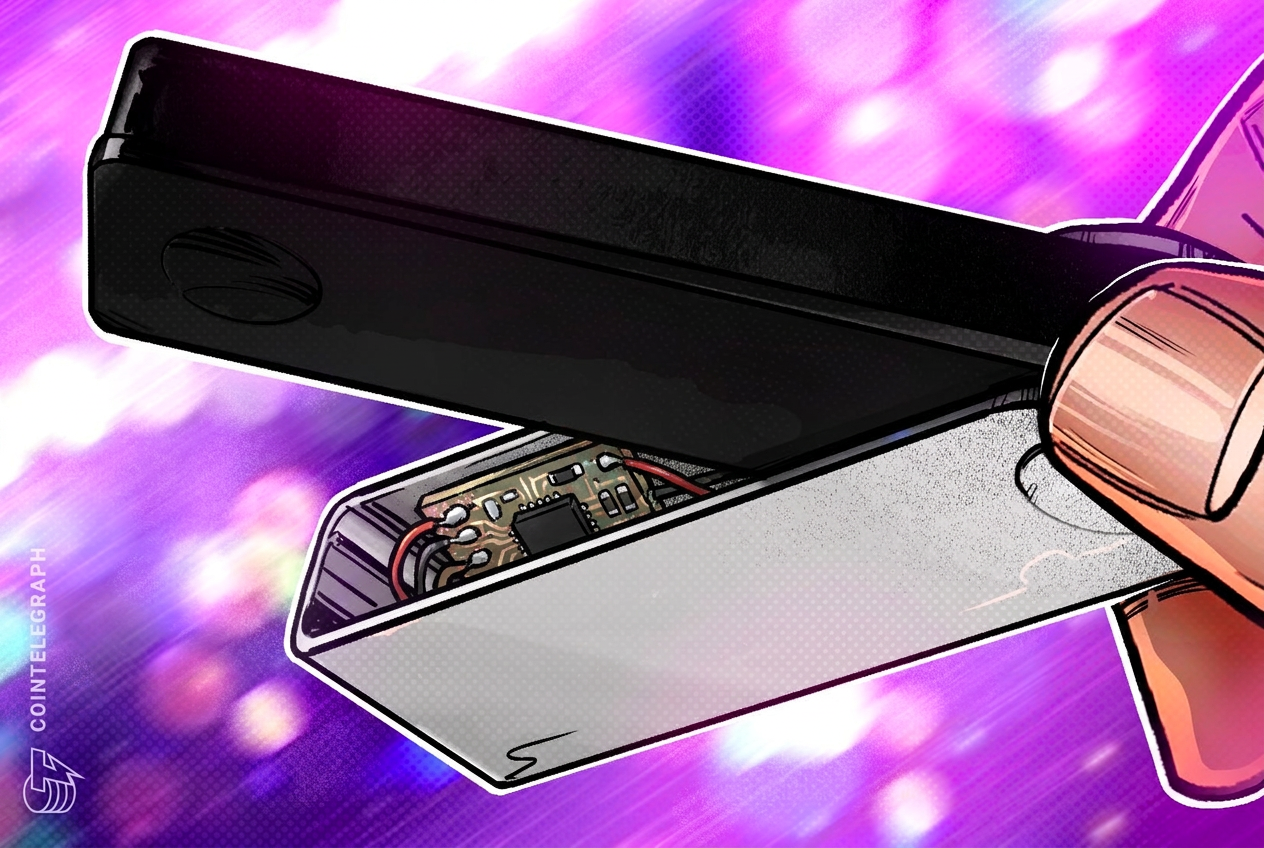
For years, the gold standard of crypto security was simple: get your assets off an exchange and put them on a hardware wallet. We told builders and investors alike that if you held the physical device, you held the power. But the recent confirmation from Ledger regarding unauthorized hardware implants has turned that logic on its head. When the supply chain itself is weaponized, the physical device becomes the Trojan horse.
The scale here is staggering. We are looking at potential losses exceeding $86 million. While Ledger is framing this as an isolated incident involving a single reseller in the Southeast Asian market, the implications for the entire industry are much broader. It highlights a fundamental vulnerability that most of us have been willing to ignore: the gap between the factory and your front door.
The Anatomy of a Supply Chain Attack
This wasn't a remote hack. This wasn't a leaked seed phrase through a phishing site. This was a physical modification of the hardware itself. By the time the user received their device, it was already compromised. In the world of hardware manufacturing, this is a nightmare scenario. It means the security of the device was bypassed before the security features were even activated by the end user.
For founders building in this space, this is a wake-up call. We spend so much time auditing smart contracts and securing our server architecture, but we rarely think about the physical integrity of the tools we use to manage that infrastructure. If the hardware you trust to sign your transactions is malicious, every other layer of your security stack is effectively neutralized.
Why the 'Isolated Incident' Narrative Doesn't Hold Water
Ledger is doing damage control, which is expected. They want to reassure the market that this is limited to a specific region and a specific reseller. But for those of us who have been in the trenches of the hardware world, we know that if it can happen once, it can happen again. The methods used to implant unauthorized components are rarely unique to one bad actor.
The problem isn't just one reseller; the problem is the lack of verifiable physical transparency. Most users lack the technical skill to crack open their device and inspect the PCB for microscopic anomalies. We rely on the brand's reputation and the 'tamper-evident' packaging, which, as we’ve seen, can be faked or bypassed by a determined adversary with enough resources.
What This Means for Builders
If you are building a protocol or managing a treasury, you can no longer rely on a single hardware vendor. The risk of a supply chain compromise is now a documented reality, not a theoretical threat. This incident pushes us toward a future where multi-signature setups are not just a best practice, but a requirement for survival.
Multi-sig setups should ideally involve hardware from different manufacturers. If you use three different devices from three different supply chains to authorize a move, the chances of all three being physically compromised in the same way are statistically negligible. This is the kind of redundancy we need to be talking about.
The Skeptic's Take on Recovery
Ledger has a long road ahead to rebuild trust. They have faced PR disasters before—most notably their marketing database leak a few years back—but this is different. This goes to the core of their product's utility. If a hardware wallet doesn't provide physical security, what are you actually paying for? You might as well use a hot wallet on a dedicated, air-gapped laptop.
We also need to look at the $86 million figure. In the crypto world, these numbers often fluctuate as more victims come forward. The reality is that we may never know the full extent of the damage. For a founder, the takeaway is clear: do not trust, verify. And if you can't verify the physical silicon, diversify your risk across multiple platforms.
Moving Toward a Builder-First Security Model
We need to stop treating hardware wallets as 'set it and forget it' solutions. The industry needs to push for better proof-of-authenticity protocols that can be run by the user to verify that the internal components match the factory specifications. Until we have that, we are all just taking a manufacturer's word for it.
This incident is a painful reminder that in crypto, there is no such thing as absolute safety. There is only risk management. The builders who survive the next decade will be the ones who assume every link in their chain—including the physical hardware—is potentially compromised.
The Hard Truth
Supply chains are the weakest link in the decentralization movement. We can build the most decentralized software in the world, but if we rely on centralized manufacturing and distribution for our keys, we are still vulnerable to the same old-world points of failure. The Ledger breach isn't just a loss for the victims; it's a reality check for the entire ecosystem.
Read the original at Cointelegraph →