The Cost of Information Symmetry
Prediction markets are having a moment, but it is not the kind of moment that makes founders sleep well at night. Kalshi, one of the primary platforms trying to bring legitimacy to political betting, is currently investigating a series of trades that look a lot like insider trading. The bets in question involve the selection of the next White House Press Secretary.
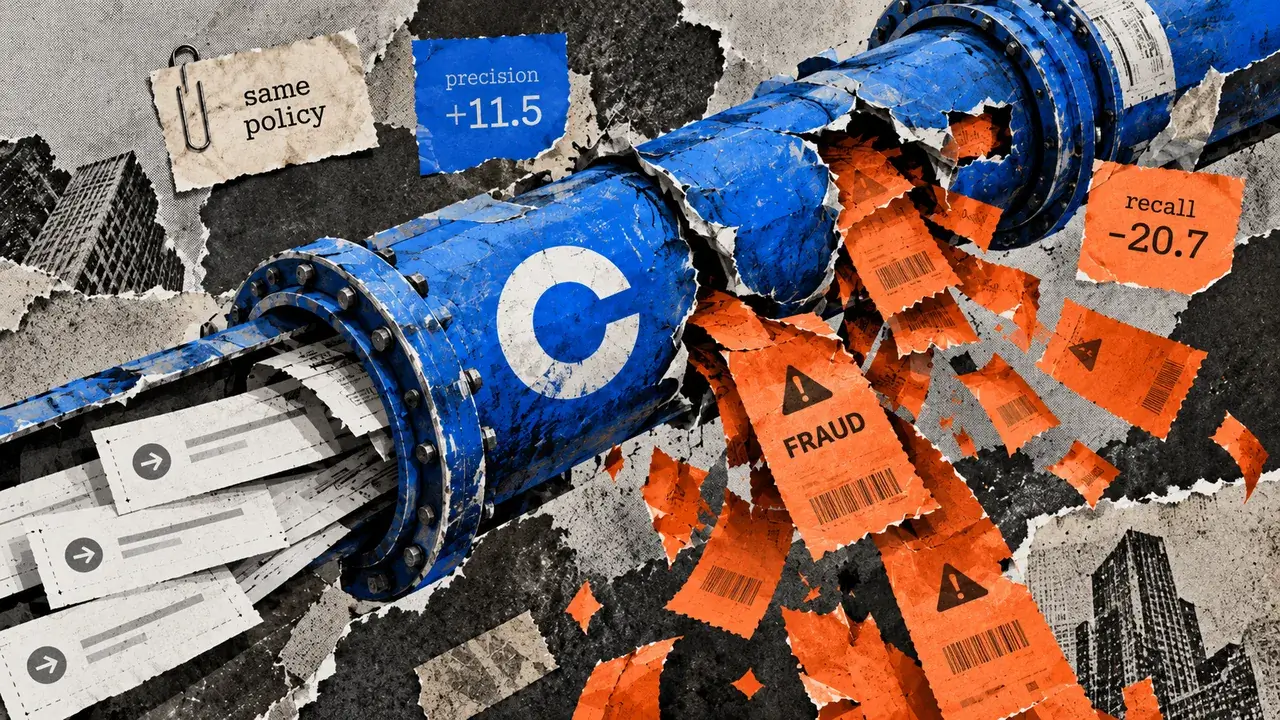
Before the news of the appointment was publicly confirmed by major outlets, three specific bets were placed on the platform. These bets were relatively small in the grand scheme of things—totaling roughly $173—but the payoff is a staggering $9,600. That is the kind of return that triggers red flags in any regulated financial environment, and it highlights the primary vulnerability of these platforms: information asymmetry.
For those of us building in this space, this is a wake-up call. We talk a lot about the wisdom of the crowd, but these markets are only as good as the fairness of the game. If the crowd believes the house is rigged or that a few people with early access to a Slack channel or a phone call can drain the liquidity, the whole model collapses.
The Logistics of a Leak
We are not talking about millions of dollars here. We are talking about less than two hundred bucks turning into nearly ten thousand. In a traditional market, that is a rounding error. In a nascent prediction market trying to prove its utility to regulators and the public, it is a structural threat.
When we look at how these events unfold, the timeline is everything. In this case, the trades were executed just before the official announcement hit the wires. This suggests that someone either had a very lucky guess or, more likely, they were privy to the information before it was meant for public consumption. For a builder, this raises a technical question: how do you mitigate the impact of front-running in a world where information moves faster than code?
If you are building a decentralized platform or a regulated exchange like Kalshi, your biggest enemy is not the regulator—it is the loss of trust. If users think they are playing against people who already know the final score, they stop playing. That is how liquidity dies.
Why This Matters for Builders
If you are in the crypto or AI space, you might be tempted to look at this as a localized issue for Kalshi. It isn't. This is a stress test for the entire concept of 'truth markets.' We have spent years arguing that these markets are more accurate than polls because people have skin in the game. But that argument assumes everyone is playing by the same set of rules.
Builders need to consider several factors when designing these systems:
- Oracle Integrity: Who decides when a bet is settled, and how do you ensure the settlement data is not manipulated?
- Trade Limits: Should there be caps on markets that are highly susceptible to private information leaks, such as political appointments?
- Identity and Compliance: Kalshi is regulated, which means they have the trail. In a purely decentralized environment, these traders would be ghosts.
The skepticism I have here is not about the technology, but about the human element. You can build the most secure smart contract in the world, but you cannot patch a leak in a transition team's office. The bridge between the physical world and the digital market remains the weakest link.
The Founder Perspective
From where I sit, this investigation is actually a good sign. It shows that the oversight mechanisms are actually working. Kalshi is not sweeping this under the rug; they are digging in. For founders, the takeaway is clear: do not build a product that assumes users will act ethically. Build a product that assumes someone will try to cheat, and have the tools ready to catch them when they do.
We are entering an era where AI will likely be used to sniff out these patterns in real-time. If you are building a prediction engine, your next hire probably shouldn't be another frontend dev—it should be a data scientist who understands anomalous behavior. The future of these markets depends on their ability to self-police effectively.
Takeaway
Prediction markets are a powerful tool for price discovery and forecasting, but they are currently fragile. The investigation into these suspicious trades proves that even small amounts of money can cause significant reputational damage. If you are building in this space, prioritize integrity over volume. A market that is seen as fair will always outlast a market that is merely fast.
The value of a prediction market isn't in the betting; it's in the accuracy of the signal. When that signal is tainted by insider access, the market becomes noise.
We need to stop treating these platforms like casinos and start treating them like the financial infrastructure they aspire to be. That means taking $173 bets as seriously as $173 million trades.
Read the original at The Block →