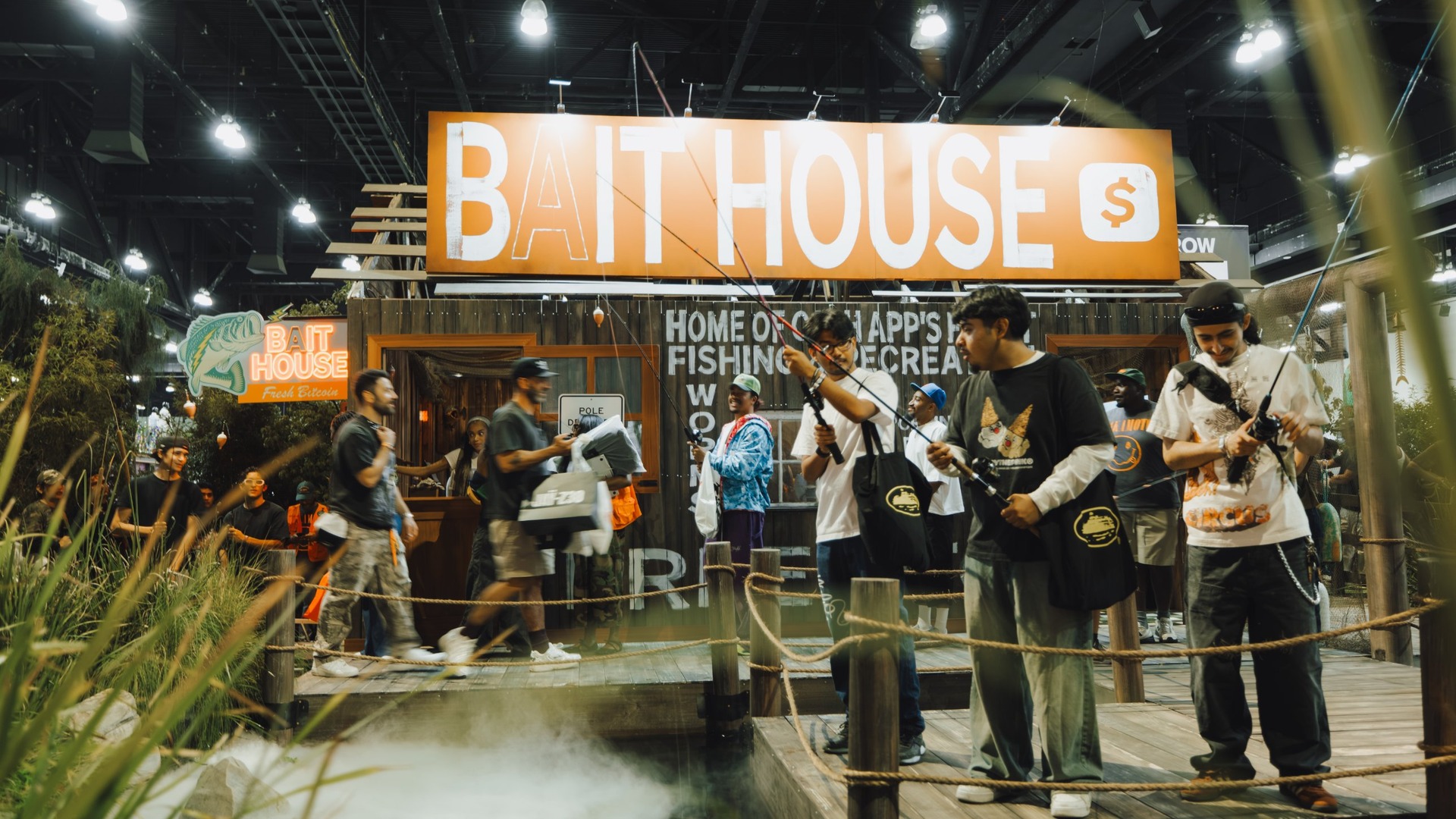
Jack Dorsey has a specific way of doing things. He doesn't usually play by the standard Silicon Valley playbook of buying Super Bowl ads or plastering logos on sports stadiums. Instead, his company, Block, just showed up at ComplexCon in Los Angeles with a different kind of bait: a full Bitcoin.
For the uninitiated, ComplexCon is the center of the universe for streetwear, sneakers, and general hype culture. It is not where you expect to hear about decentralized ledgers or lightning networks. But that is exactly why Block was there. By giving away 1 BTC to a random attendee, they weren't just running a sweepstakes; they were making a statement about where they think the future of the asset lives. It isn't in a spreadsheet. It’s in a digital wallet tucked inside a pair of limited-edition Nikes.
Breaking the Echo Chamber
As a founder, I spend a lot of time looking at how companies bridge the gap between early adopters and the general public. The crypto world is notorious for being an echo chamber. We talk to each other in jargon, we argue about block sizes on X, and we wonder why the rest of the world hasn't caught on yet. Block’s presence at an event like this suggests they are tired of waiting for the world to come to them.
Giving away one Bitcoin—worth a significant amount of money at current market rates—is a loud way to get attention, but the underlying strategy is quiet and deliberate. They are trying to reposition Bitcoin as a cultural tool rather than just a financial instrument. If you can make Bitcoin feel as native to a teenager as a rare pair of sneakers or a digital skin in a video game, you’ve won the long game.
The Practicality of the Pivot
We need to look at what Block is actually doing with their product stack. Between Cash App and their dedicated Bitcoin hardware ventures, they are building an ecosystem that removes the friction of entry. Most people at ComplexCon likely have Cash App on their phones. They use it to split dinner bills or buy merch. By integrating Bitcoin so deeply into that interface, Block is betting that familiarity will breed adoption.
I’ve always been skeptical of "mass adoption" events because they usually feel forced. Remember the crypto commercials during the big game a couple of years ago? They were flashy, expensive, and ultimately meant nothing when the market turned. This feels different. It feels like a brand trying to embed itself into a lifestyle. They aren't asking people to become day traders. They are asking them to see Bitcoin as a part of the modern cultural economy.
What This Means for Builders
If you are building in the crypto or AI space right now, there is a massive lesson here. You cannot rely on the technical superiority of your product to win the market. You have to find the cultural hook. Block didn't go to a fintech summit to give away this Bitcoin; they went to a place where people celebrate creativity and ownership.
As builders, we often get caught up in the "how" of our technology. We talk about throughput, latency, and security protocols. But the end-user cares about the "why." The attendee who walked away with that Bitcoin doesn't care about the SHA-256 hashing algorithm. They care that they now own a piece of a global, scarce digital network that their peers respect. That respect is the cultural currency that Block is mining.
The Skeptic's View
Now, let’s be honest. One giveaway isn't going to change the global financial landscape. There is a risk that these types of stunts just attract "alpha hunters"—people looking for a free lunch who will sell the asset the second it hits their wallet. If the goal is long-term adoption, a single giveaway is just a drop in the bucket.
However, the optics matter. For every one person who won, thousands of others at the event had to engage with the idea of Bitcoin. They saw the booth, they saw the brand, and they saw that Bitcoin wasn't just for the guys in suits on CNBC. It was for them. In marketing, that’s called a touchpoint, and in a fragmented digital world, these physical, high-energy touchpoints are becoming more valuable than digital ads.
Moving Toward a Builder-First Culture
The real takeaway for those of us in the trenches is that the interface is the product. Block is successful because they understand that the technical backend of Bitcoin is scary to the average person, but the Cash App interface is friendly. Their presence at ComplexCon is an extension of that UI strategy. They are wrapping a complex financial asset in a familiar cultural package.
We should be looking for ways to do the same with our own projects. Whether you are building an AI agent or a new DeFi protocol, ask yourself: Where does this live in the real world? If your answer is only "on the blockchain," you are going to have a hard time scaling. You need to find your version of ComplexCon. You need to find the place where your users are already excited and show them how your tool makes that excitement more permanent or more profitable.
Final Thoughts for the Founder
- Go where the people are: Stop preaching to the choir at crypto-only events. Find the industries your tech will actually disrupt.
- Simplify the message: Block didn't give a lecture on decentralization; they gave away a prize. Start with the benefit, not the features.
- Culture is the killer app: Technology becomes permanent when it becomes a habit. Habits are formed by cultural influence.
Jack Dorsey is playing a twenty-year game. While other CEOs are focused on quarterly earnings, he is focused on ensuring that the next generation of consumers views Bitcoin as a foundational part of their lives. Whether he succeeds depends on if he can turn that one lucky winner into a thousand new believers who actually use the network, rather than just cashing out for the next hype drop.
Read the original at Bitcoin Magazine →