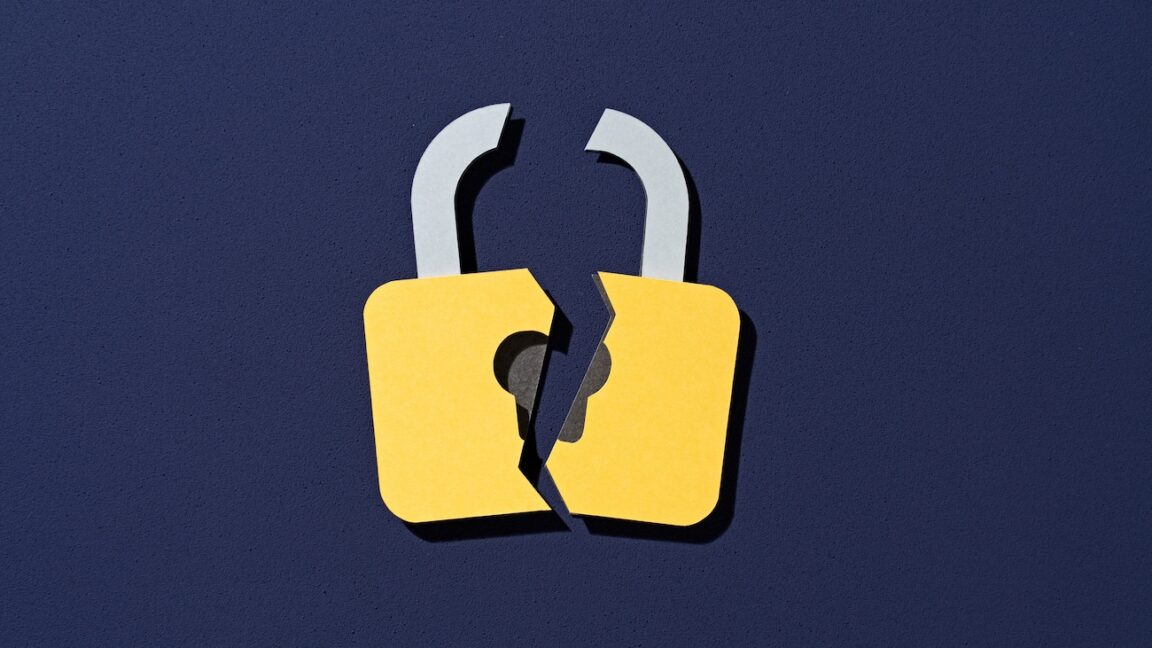
We have spent years being told that the padlock icon in the browser address bar is the gold standard of trust. It is the visual shorthand for safety. But this week, that facade took a massive hit. The discovery of eight compromised intermediate Transport Layer Security (TLS) certificates has triggered what can only be described as a controlled panic among security researchers and infrastructure providers. This is not just another bug in a library; this is a failure at the bedrock layer of internet trust.
The Chain of Command is Broken
To understand why this matters, you have to look at how the web actually works under the hood. Most people know about Certificate Authorities (CAs). These are the entities that vouch for a website's identity. But CAs do not sign every individual site certificate themselves. They use intermediate certificates to do the heavy lifting. Think of a CA as the main office and the intermediate certs as the regional managers who have the authority to sign paperwork on the main office's behalf.
The problem is that if you steal the regional manager's stamp, you can sign anything you want. You can create a perfectly valid credential for Google, your bank, or a government portal. Because the browser sees a signature from a trusted intermediate, it does not ask questions. It just shows the green lock and lets the traffic through. With eight of these keys now out in the wild and compromised, the "regional managers" of a significant portion of web traffic are effectively imposters.
Why Builders Should Care
If you are building in the crypto or AI space, your first instinct might be to think this is a legacy web problem. You would be wrong. Every API call your AI agent makes, every transaction your frontend sends to a node provider, and every piece of sensitive data you store in a cloud bucket relies on this certificate hierarchy. If the underlying TLS layer is compromised, your encrypted tunnel is essentially made of glass.
For founders, this is a wake-up call regarding infrastructure dependencies. We talk a lot about decentralization in this industry, but our day-to-day operations are still heavily reliant on a few centralized chokepoints. When an intermediate certificate is compromised, it allows for sophisticated man-in-the-middle attacks that are almost impossible for the average user to detect. An attacker could intercept traffic, strip away encryption, or feed malicious data to your application, and your system would report that everything is secure because the certificate checks out.
The Revocation Nightmare
The immediate response to a compromise like this is revocation. The industry tries to put these certificates on a "do not trust" list. But here is the dirty secret of web security: revocation is a mess. It is slow, it is inconsistent, and it often breaks things in ways that developers hate. Browsers have different ways of checking if a certificate is still valid, and many of those checks can be bypassed or timed out by an attacker who controls the network.
This is where the skepticism comes in. We are told that the system is self-healing, but we are currently watching a slow-motion car crash where the response time is measured in days, not milliseconds. If you are building high-stakes applications, you cannot simply assume that the browser's native security checks are enough during a crisis like this. You need to be thinking about certificate pinning or additional layers of application-level encryption.
The AI and Crypto Intersection
This situation becomes even more volatile when you add AI into the mix. We are moving toward a world where autonomous agents are making financial decisions and executing trades. These agents rely on the integrity of the data they receive. If an attacker can use a compromised certificate to feed an LLM fake market data or altered smart contract code, the fallout could be catastrophic before a human even realizes the certificate was compromised.
In the crypto world, we often say "don't trust, verify." But we usually mean verifying the blockchain. We rarely talk about verifying the transport layer. This breach proves that we have been taking the transport layer for granted. If you are a founder building a bridge, an exchange, or a wallet, you need to be auditing how your infrastructure handles certificate validation. Relying on the default settings of a standard web framework is no longer a viable security posture.
The Hard Truth for Founders
Building something new is hard enough without the floor falling out from under you. But as a founder, you are responsible for the integrity of your stack. This compromise shows that the current CA system is fragile. It is a centralized solution to a global problem, and it has a single point of failure: the humans and processes managing these intermediate keys.
We are likely to see a wave of emergency patches and browser updates in the coming days. My advice? Don't wait for the updates to trickle down. Audit your critical endpoints. Check your dependencies. If you are running your own infrastructure, look into how you are validating TLS. This is a moment to be paranoid. The internet's trust model just took a gut punch, and it is going to take a long time to recover.
Looking Forward
This isn't the end of the web, but it should be the end of our blind faith in the certificate authority model. We need better ways to handle identity and encryption that don't rely on a handful of vulnerable keys. Whether that means moving toward more robust decentralized identity solutions or simply getting better at rapid revocation, the status quo is clearly not working.
For now, keep your eyes on the security advisories and don't assume that because your site has a padlock, it is actually safe. The lock is only as good as the key, and right now, some very dangerous people have copies of the keys to the castle.
The biggest risk to any builder isn't the competition; it is the silent failure of the tools they trust most.
Read the original at Ars Technica →