The Great Onboarding Mirage
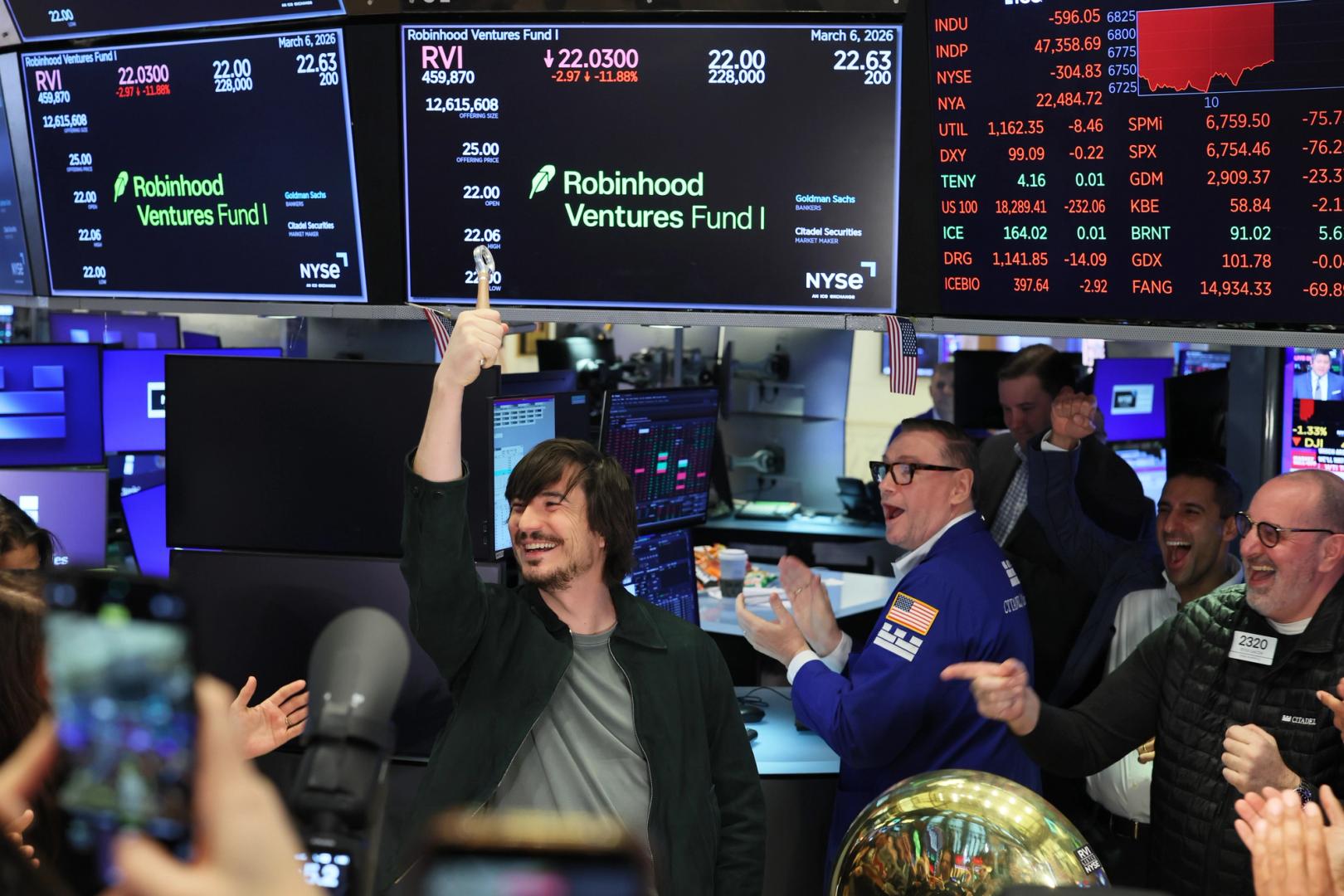
For years, the crypto industry has been waiting for a hero to simplify the user experience. We keep hearing that the next billion users will arrive as soon as we hide the private keys, simplify the gas fees, and wrap everything in a sleek mobile interface. Robinhood, the platform that famously gamified stock trading for twenty-somethings, is now trying to do exactly that for decentralized finance. They want to bring 10 million casual investors into the onchain world.
On the surface, it sounds like the missing link. But as a founder, I look at the gap between what Robinhood is promising and what their users are actually doing, and I see a massive disconnect. There is a fundamental difference between a platform that provides access and a platform that provides value. Right now, it looks like Robinhood is building a high-speed bridge to a casino.
The Retail Advantage or a Retail Trap?
Robinhood’s core argument is that they own the relationship with the retail user. They believe that by integrating decentralized protocols directly into their interface, they can bypass the scary parts of crypto—seed phrases, bridge risks, and confusing wallet signatures. They want to make swapping on Uniswap as easy as buying five dollars worth of Apple stock.
From a product engineering perspective, this is impressive. Abstracting away the complexity of blockchains is the holy grail for builders. However, the motivation for the user matters just as much as the ease of the tool. When you lower the barrier to entry, you don't necessarily attract long-term investors or builders; you attract high-velocity speculators. The data shows that the vast majority of the early activity on Robinhood’s new crypto rails isn't flowing into sophisticated yield strategies or decentralized governance. It’s flowing into memecoins.
The Tokenization Pitch Meets Reality
When Robinhood first started talking about their onchain future, the narrative was focused on the tokenization of real-world assets. The goal was to take traditional financial instruments—bonds, real estate, stocks—and put them on a ledger to increase transparency and liquidity. That is a vision I can get behind. That is building something that changes how the world works.
But looking at the current landscape, that side of the business is a rounding error. The actual volume is being driven by stickers of dogs and internet jokes. This puts Robinhood in an awkward position. They are marketing themselves as a sophisticated gateway to the decentralized future, but their ledger is currently a scoreboard for professional gamblers. For builders, this is a warning sign: if you build it, they won't necessarily come for the tech; they'll come for the volatility.
The Infrastructure Complexity
Building a bridge between a regulated brokerage and the wild west of DeFi is a nightmare of compliance and technical debt. Robinhood is trying to maintain a walled garden while still giving users the freedom of the open web. This creates a friction point that no amount of UI polish can completely fix. If a user buys a token on Robinhood's decentralized side and that token gets rugged, who do they blame? The protocol? Or the app that made it easy to buy?
In the traditional world, Robinhood has already faced massive scrutiny for how it handles retail risk. Moving into DeFi triples that risk. Every time they integrate a new chain or a new liquidity pool, they are expanding their surface area for both hacks and regulatory headaches. They are betting that the volume will outweigh the liability, but that is a high-stakes gamble in a market that is still being defined by aggressive oversight.
What This Means for Ecosystem Builders
If you are building in the crypto space, you shouldn't look at Robinhood’s 10 million user goal as a guaranteed success. Instead, look at it as a distribution experiment. If Robinhood succeeds in onboarding these users, the industry will finally have the sheer numbers it has always craved. But if those users only come for the memecoin pumps and leave during the inevitable dumps, the net impact on the ecosystem might actually be negative.
Builders should focus on creating "sticky" utility that survives the hype cycles. We need protocols that provide services people actually need, regardless of the price of a specific token. If Robinhood is the pipeline, builders need to make sure what is at the end of that pipe is more than just a digital slot machine. We need to be building tools that solve real problems, so that when the 10 million casual users arrive, they find a reason to stay.
The Credibility Gap
There is also a cultural hurdle. The core DeFi community is built on the idea of self-sovereignty and decentralization. Robinhood, by its very nature, is a centralized middleman. This "middle-path" approach—offering decentralized products through a centralized lens—often ends up pleasing nobody. The hardcore crypto users find it too restrictive, and the casual users find it too confusing despite the simplified UI.
The skepticism comes from the fact that we've seen this play out before. Every time a major retail platform tries to "embrace" crypto, they tend to prioritize the features that generate the most fees. Right now, that’s trading. But real decentralized finance is about more than just swapping assets. It's about lending, borrowing, and creating new forms of coordination. Until those features become the primary draw, Robinhood isn't really onboarding people to DeFi; they are just expanding their brokerage to include more volatile assets.
The Takeaway
Robinhood is doing the hard work of building the pipes, but the content flowing through those pipes is currently lacking substance. For founders and investors, the lesson is clear: accessibility is not the same as adoption. Making something easy to use is only half the battle. The other half is making it worth using in the first place.
The industry doesn't need more ways to buy memecoins; it needs more reasons to hold everything else.
If Robinhood wants to win this bet, they need to figure out how to transition their users from speculators to participants. If they can’t, they’ll just be another footnote in the history of companies that tried to tame the blockchain and ended up getting burned by the volatility they helped facilitate.
Read the original at CoinDesk →