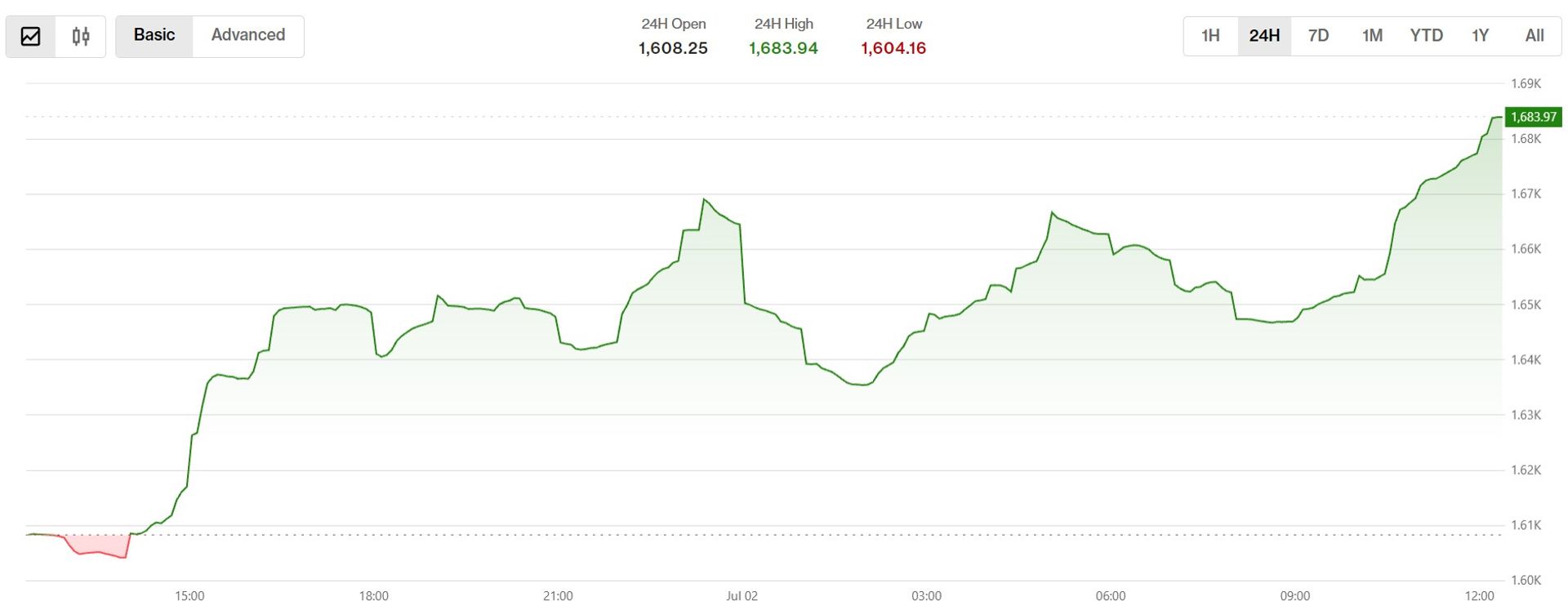
When the market starts bleeding out, logic usually takes a backseat to fear. We are currently watching a specific flavor of chaos play out with MicroStrategy and the broader Bitcoin price action. If you have been around this space long enough, you recognize the smell of exhaustion. It is the point where even the most aggressive bulls start looking at the exits, not because they do not believe in the tech, but because their leverage is drying up.
The Leverage Trap
The recent volatility centered around MicroStrategy and its issuance of convertible notes is not a mystery if you understand how institutions play this game. When a company like MicroStrategy issues massive amounts of debt to buy Bitcoin, it creates a feedback loop. When it works, it is a vertical line up. When it hits a snag, it creates a forced deleveraging cycle that drags everything down with it.
We are seeing what happens when the market tries to absorb a massive influx of new supply and institutional hedging. Large players use these instruments to arbitrage the difference between the stock price and the underlying asset. When those trades get squeezed, the selling pressure is not about the fundamentals of Bitcoin; it is about balancing a spreadsheet. For builders, this is the noise you have to learn to ignore while acknowledging how it affects your runway.
The End-of-Cycle Signature
In crypto, we talk a lot about cycles. Most people focus on the highs, but the lows are where the actual data lives. The recent selloff, fueled by the STRC dynamics, looks like a classic end-of-cycle washout. This is the moment where the last bit of speculative froth gets kicked out of the system. It is painful, it is messy, and it makes for terrible headlines, but it is a necessary cleansing of the pipes.
History shows us that these dramatic de-risking events usually happen right before a period of stability or a slow grind upward. The people selling right now are often those who were forced to sell by margin calls or risk-management protocols. They are not exiting because they want to; they are exiting because they have to. This distinction matters because it tells us that the selling power is finite. Once the forced sellers are gone, the only ones left are the people with long-term conviction.
What Builders Should Watch
If you are building a product in this space, you probably feel like you are tied to a heart rate monitor. When the price dips, your user engagement might dip. When the sentiment turns sour, finding talent or closing a seed round gets harder. But here is the reality: the underlying infrastructure of Bitcoin remains unchanged regardless of whether a few hedge funds got liquidated because they overextended on a convertible note trade.
- Focus on utility, not liquidity: If your project depends on the price of BTC being at an all-time high to survive, your model is broken. Use these quiet periods to refine the user experience.
- Monitor the debt markets: The way debt is being used to buy Bitcoin is a new variable in this cycle. It adds a level of institutional complexity that we did not have in 2017 or 2020.
- Capital preservation: If the market is indeed nearing a bottom, now is the time to be smart with your treasury. Do not chase the bounce; wait for the stabilization.
The Real Bottom Signal
Identifying a bottom isn't about looking for a specific number. It is about looking for specific behaviors. We are seeing those behaviors now. We see the exhaustion of the retail crowd and the mechanical selling of the institutional crowd. When the news cycle is dominated by talk of liquidations and "strategic failures," it usually means the worst of the selling pressure is already behind us.
There is a specific kind of silence that follows these events. After the initial shock wears off, the market stops reacting to bad news. We are not quite there yet, but we are close. The volatility is decreasing in terms of its emotional impact. People are becoming numb to the five percent swings. That numbness is a prerequisite for a sustainable floor.
The Institutional Pivot
What is interesting about this specific moment is how institutional Bitcoin has become. In previous cycles, a selloff was driven by over-leveraged retail traders on offshore exchanges. Today, it is driven by sophisticated financial products and publicly traded companies. This makes the market more resilient in the long run but much more complex in the short term. The tools being used are traditional, but the asset is still revolutionary. That friction creates these sharp, painful corrections.
The volatility we are seeing is the price of admission for a global, decentralized store of value trying to integrate with a legacy financial system built on debt.
We are watching the growing pains of an asset class. The STRC selloff is a symptom of a larger transition. We are moving away from Bitcoin as a speculative toy for early adopters and toward Bitcoin as a foundational layer for institutional finance. That transition is never going to be a smooth line.
The Founder Perspective
As founders, we have to look past the candles. The current deleveraging is a reminder that leverage is a double-edged sword. While it can accelerate growth, it can also accelerate a collapse. The most successful builders in the next phase of this industry will be those who built sustainable businesses that do not require constant market euphoria to thrive.
We are likely nearing the bottom because there are few people left to scare out of their positions. The tourists have left, the hedge funds have balanced their books, and the builders are still here. That is the strongest signal you can find in any market.
Every time we go through this, the industry comes out leaner. The projects that survive are the ones that actually provide value. The noise from the STRC situation will fade, the liquidations will stop, and the focus will eventually return to the tech. Until then, keep your head down and keep your burn rate low.
Read the original at The Block →