OpenAI is reportedly floating a deal that would make the United States government a minority shareholder. According to recent reports, the company has discussed giving Uncle Sam a 5 percent stake in the business. On the surface, it looks like a peace offering. Under the hood, it is a complicated maneuver to solve three massive problems at once: regulatory heat, national security concerns, and a looming identity crisis regarding their non-profit roots.
The Equity Olive Branch
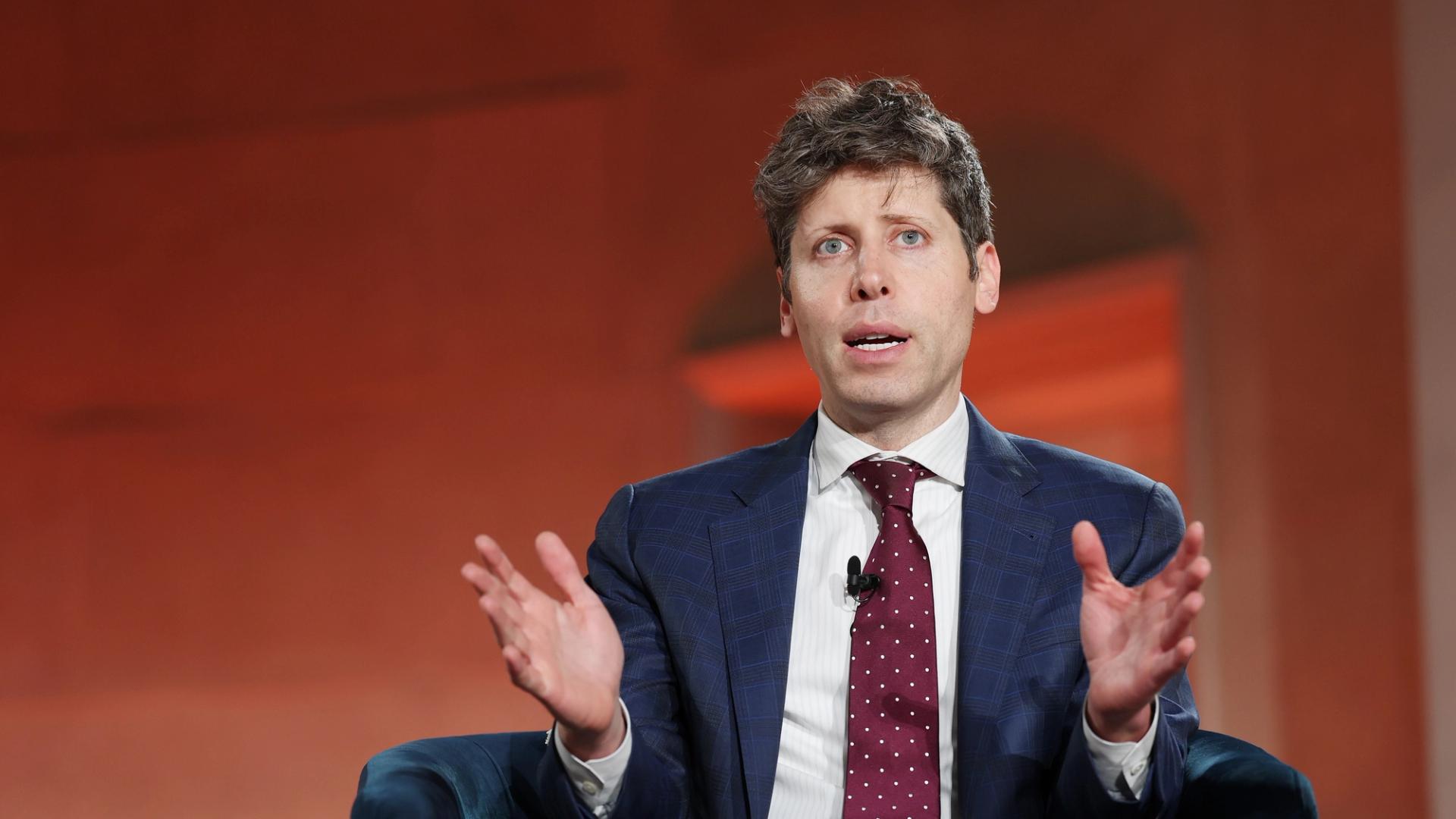
For a company that started as a non-profit research lab, OpenAI has spent the last few years sprinting toward a high-valuation, high-octane corporate structure. That transition is messy. When you go from saving humanity to raising billions from Microsoft, people start asking questions about who actually owns the keys to the kingdom. By offering a 5 percent sliver of equity to the government, Sam Altman isn't just seeking a partner; he is looking for a shield. This kind of arrangement suggests that if the public has a financial interest in the upside of artificial intelligence, the political appetite for crushing it under restrictive regulation might vanish.
For builders, this is a signal that the era of the 'independent' AI startup might be closing before it even fully opened. If the biggest player in the space feels the need to essentially tax itself in favor of the state to stay in the government's good graces, it sets a precedent that will trickle down to every founder building on top of their API.
The Security of Supply Chains
We are seeing a convergence between silicon, software, and sovereignty. The U.S. government is already deeply invested in the hardware side through the CHIPS Act. Making a play for a stake in OpenAI is the logical next step on the software side. If the U.S. government holds equity, it justifies a much deeper level of integration between private AI development and national defense priorities. It turns a commercial product into a strategic asset.
This should make builders pause. When your primary infrastructure provider becomes a de facto arm of the state, the terms of service change. We aren't just talking about content moderation or safety filters anymore. We are talking about national interest priorities that could dictate what features get built, which countries get access, and what kind of data can be processed. If you are building a global app, a U.S. government stake in your LLM provider creates a massive geopolitical friction point.
Solving the Non-Profit Problem
OpenAI is currently stuck in an awkward middle ground between its original charitable mission and its 150 billion dollar valuation. Converting to a fully for-profit entity is the goal, but doing so creates huge tax and legal liabilities. Giving the government a stake could be the 'get out of jail free' card they need to finalize that transition. It frames the profit-taking not as a betrayal of the original mission, but as a public utility contribution.
I have always been skeptical of the 'non-profit' branding for companies that are clearly chasing market dominance. It felt like a marketing gimmick that became a legal anchor. This reported 5 percent offer is an admission that the old model is broken. They need a way to pay off their 'debt' to the public interest, and cold, hard equity is the most direct way to do it. It is an expensive way to buy legitimacy, but for a company with OpenAI's burn rate and capital needs, it might be the only way forward.
The Cost to Open Ecosystems
The danger here is the 'regulatory capture' effect. If the government owns a piece of the leader, they are incentivized to protect that leader’s market position. We could see a future where 'safe' AI is defined as the AI the government has a stake in, while open-source or independent models are labeled as high-risk or unregulated threats. This is the 'Founder's Trap.' You build something so big that the only way to survive is to become part of the system you were supposed to disrupt.
- Greater scrutiny on decentralized AI alternatives as 'wild card' threats to national security.
- A move toward licensing regimes that favor entrenched players.
- Increasing pressure for AI companies to provide backdoors or priority access to federal agencies.
For those of us in the crypto and AI space who value permissionless building, this move is a warning. It suggests the 'Big Tech' of the AI era wants to bridge the gap with the state early. While it might lead to a more stable regulatory environment in the short term, it creates a massive barrier to entry for the next generation of founders who don't have a 5 percent stake to offer the Treasury.
The Takeaway for Builders
We need to stop viewing AI development as a purely technical or commercial endeavor. It is now explicitly a matter of statecraft. If OpenAI goes through with this, it confirms that the most powerful models will likely be 'protected' entities. As a builder, your strategy needs to account for this. Don't put all your eggs in one proprietary basket that might eventually have a government oversight board sitting at the table. Diversify into open models and local hosting. Sovereignty isn't just for nations; it is for developers, too.
OpenAI offering a 5 percent stake is a chess move designed to end the war with regulators. It might win them the market, but it changes the soul of the technology. We are moving from the era of 'move fast and break things' to 'partner early and protect the moat.'
Read the original at CoinDesk →