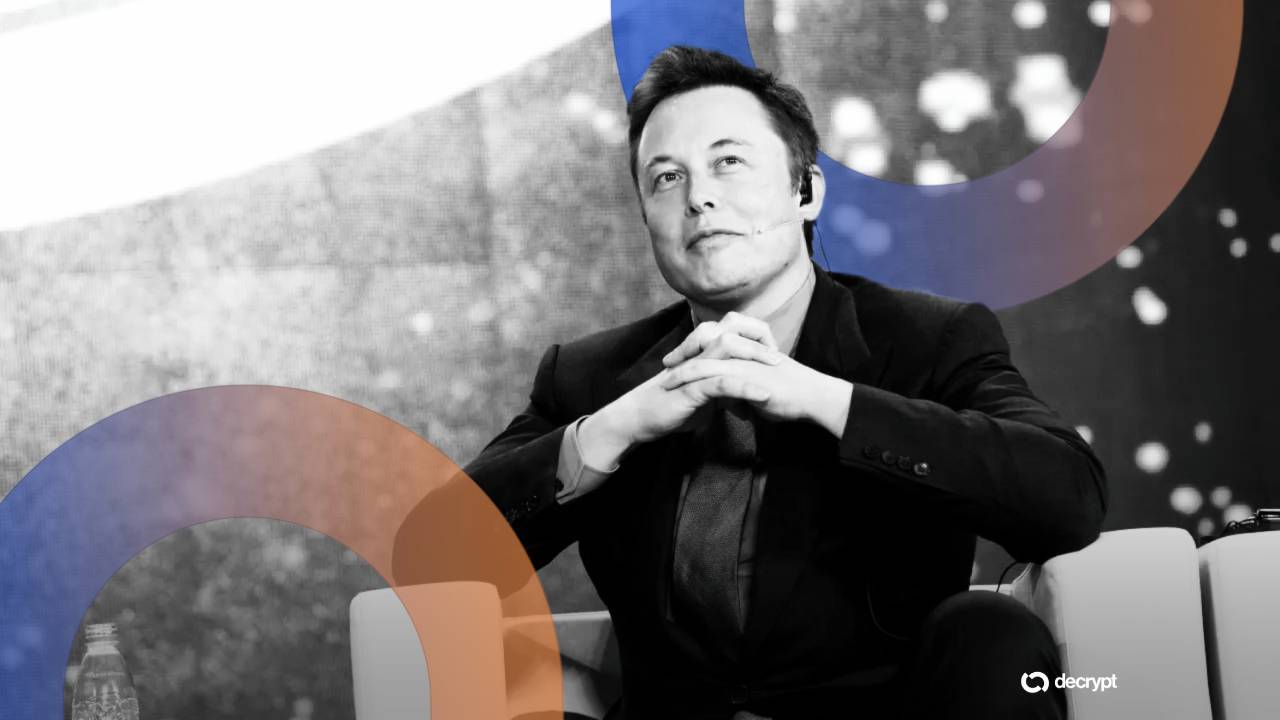
We have reached the point in the cycle where the lines between car companies, rocket manufacturers, and social media platforms have blurred into a single, messy pursuit: artificial intelligence. The recent rumors and board-level discussions regarding a potential merger between SpaceX and Tesla are not about building a better car or reaching Mars faster. They are about building a closed-loop empire where every piece of hardware is a data collection node for a singular intelligence.
The Vertical Integration Play
For builders in the space, this move should look familiar. It is vertical integration on a scale we haven't seen since the Gilded Age. If you look at the components currently scattered across Elon Musk’s various entities, the logic of a merger becomes clear from a pure engineering standpoint. You have Tesla providing the real-world robotics and the massive inferencing hardware in their vehicles. You have SpaceX providing the orbital infrastructure through Starlink and the massive logistics capacity of heavy-lift rockets. Then you have xAI providing the model, Grok, and X providing the human-generated training data.
Bringing these under one roof solves the friction of internal billing and cross-company licensing. It turns a collection of loosely affiliated startups and public entities into a unified stack. For a founder, the lesson here is simple: control your dependencies. Musk is tired of having his AI ambitions throttled by the separate fiduciary duties of different boards.
The Compute and Data Moat
The core of this potential mega-entity is the chip megafactory and the orbital data centers. We are currently in a compute war. Every AI startup is fighting for H100s and power grid access. By merging Tesla’s massive localized compute power with SpaceX’s potential for space-based data centers, Musk is attempting to bypass the terrestrial bottlenecks that slow everyone else down.
If you can run training or inference on a satellite network powered by the sun and cooled by the vacuum of space, you aren't just competing on algorithms anymore. You are competing on physics. This is a massive shift for builders to consider. If the infrastructure for the next generation of LLMs moves off-planet or into proprietary hardware silos, the gap between the "haves" and the "have-nots" in AI becomes an actual physical distance.
The Optimus Factor
We shouldn't ignore the robotics angle. Tesla’s Optimus program is often mocked as a vaporware project or a sideshow for investors. However, when you view Optimus through the lens of a SpaceX merger, it changes. SpaceX needs autonomous labor for Mars and orbital construction. Tesla needs a reason to justify its valuation as something other than a car company. Putting Optimus under a unified AI empire allows the hardware to be tested in the most extreme environments imaginable, which in turn feeds better data back into the models that will eventually drive the cars on Earth.
For those of us building in the AI space, the takeaway is that the era of "pure software" AI is ending. The winners of the next decade will likely be the ones who can map their models to physical reality. Whether it is a humanoid robot, a self-driving car, or a satellite, the AI needs a body to be truly useful.
Governance and The Skeptical Take
Now, for the reality check. This merger is a governance nightmare. Tesla is a public company with actual shareholders who expect a return on selling cars. SpaceX is a private, strategically critical defense contractor. Merging them creates a conflict of interest that will keep lawyers busy for decades. As builders, we have to look at this skepticism and realize that this isn't just about efficiency; it's about power. A single man controlling the data, the communications, the transport, and the intelligence of a massive portion of the world's infrastructure is a central point of failure.
We talk a lot about decentralization in the crypto world. This potential merger is the literal antithesis of that. It is the ultimate centralization of a technology stack. If this goes through, it will be the strongest argument yet for the development of open-source, decentralized AI alternatives. You cannot compete with a vertical monopoly by playing their game; you have to change the board.
What This Means for Founders
If you are starting a company today, you have to ask yourself: how do I survive in a world where one entity owns the sky and the road? The answer isn't to build another LLM. The answer is to build the tools that remain platform-agnostic. There is going to be a massive need for middleware, security, and verification layers that sit outside of these walled gardens.
- Focus on Niche Robotics: While Musk chases general-purpose humanoids, there is massive room for specialized automation that doesn't require a billion-dollar compute cluster.
- Edge Computing: If the giants move to the cloud (or the stars), the opportunity for localized, private, and secure edge AI grows.
- Decentralized Data: As X becomes a closed loop for Grok, the value of independent, verified data sets will skyrocket.
The SpaceX and Tesla tie-up is a signal that the "move fast and break things" era of AI is maturing into a "buy everything and build a moat" era. It is a bold move, but it is also a desperate one. Maintaining this many plates spinning on one stick is incredibly difficult. We have seen what happens when one of Musk's companies gets distracted by the others. For the rest of the industry, that distraction is an opening.
Final Thoughts
Keep your eyes on the board meetings, but don't lose sleep over the headlines. This merger, if it happens, will take years to clear regulatory hurdles. In the meantime, the work remains the same. Build things that solve real problems, don't over-rely on a single provider's API, and remember that even the biggest empires eventually find their limits. The centralization of Musk's AI empire isn't an inevitability; it’s a challenge to every other builder to find a better way.
Read the original at Decrypt →