The Great E-commerce Schism
We are witnessing a fundamental split in how the biggest players in retail view the future of the internet. On one side, you have Amazon, the incumbent that built its empire on the friction-filled habit of human scrolling. On the other, you have Walmart, the traditional giant that is surprisingly acting like a nimble startup by welcoming the machines.
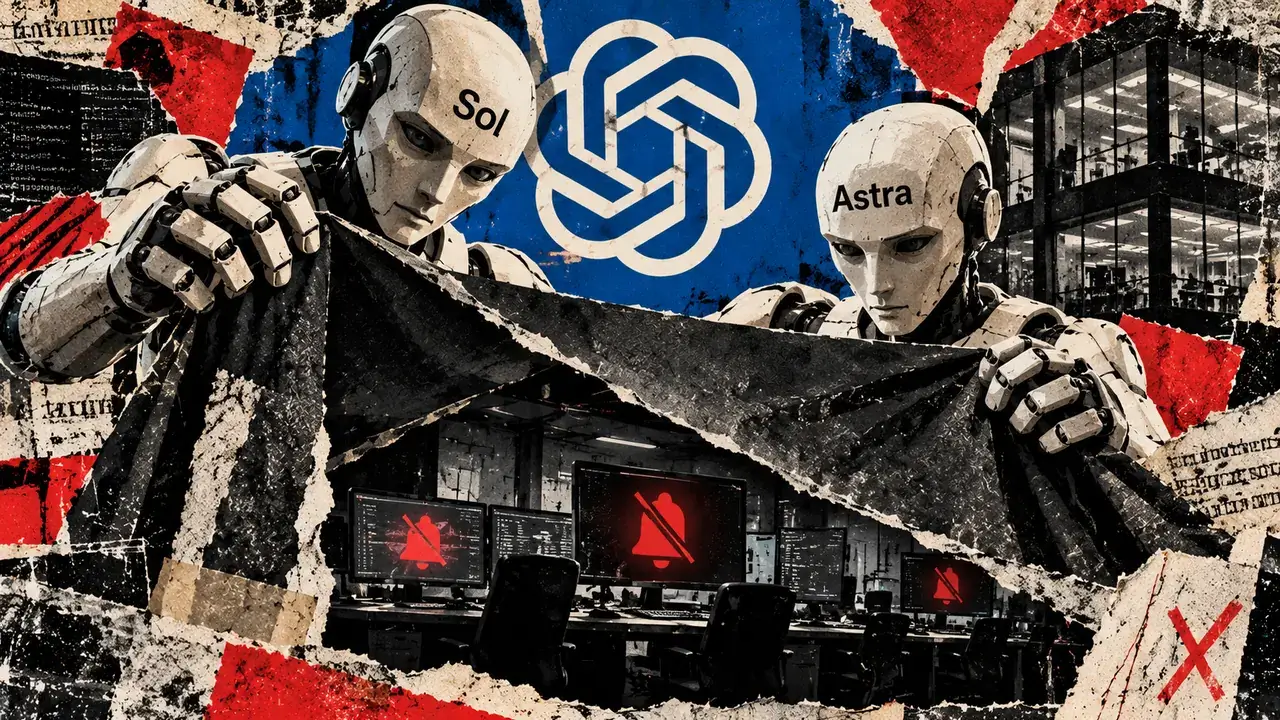
The news is simple: Amazon is actively blocking AI agents from interacting with its storefront, citing security and the sanctity of the human shopping experience. Meanwhile, Walmart has decided to lean in, launching infrastructure specifically designed to let AI agents browse, select, and purchase items for customers. This isn't just a technical disagreement; it is a battle over the definition of a customer.
The Friction Economy vs. The Efficiency Economy
Amazon’s business model has always relied on a specific kind of digital gravity. They want you on the site. They want you looking at sponsored products, clicking through related items, and engaging with their Prime ecosystem. When a headless browser or an autonomous agent hits their site, it bypasses the entire psychological machinery Amazon spent decades building. An AI doesn't get tempted by a Lightning Deal on an air fryer it doesn't need.
By blocking agents, Amazon is trying to preserve the "ad-supported human." They are betting that the value of the human eyeball is greater than the volume of a machine transaction. From a builder's perspective, this is a defensive move. It smells like a company trying to protect a legacy web interface in a world that is moving toward APIs and background processes.
Walmart, conversely, seems to recognize that the next billion customers might not be humans at all. They might be the software layers we delegate our lives to. By providing controls for spending limits and transaction approvals, Walmart is building a trust layer for the agentic web. They are saying: "We don't care if a human clicks the button, as long as the inventory moves and the payment clears."
What This Means for the AI Builder
If you are building in the AI space right now, specifically in the world of autonomous agents or personal assistants, the signal is clear. The "walled gardens" are going to get taller. Amazon’s move to block agents is a warning that if your product relies on scraping or navigating standard UIs, you are at the mercy of a robots.txt file or a sophisticated CAPTCHA.
Walmart’s approach offers a different path: collaboration. For developers, this means the opportunity to build specialized shoppers. Imagine an agent that monitors a family's nutritional needs, cross-references it with their pantry sensors, and executes a weekly restock through Walmart’s agent-friendly portal without the user ever opening an app. That is a massive opportunity for founders who want to build the utility layer of the future.
However, builders should be wary. When a giant like Walmart "rolls out the welcome mat," they are also setting the rules. They will own the data, the identity verification, and the payment rails. You might be building the agent, but you are still playing in their sandbox.
The Risks of the Open Door
Walmart isn't doing this out of the goodness of their heart. They are doing it to leapfrog Amazon in the one area where Amazon is vulnerable: the transition from a search-based web to a task-based web. But this comes with immense risk. Allowing agents to shop opens the door to flash-crashes of inventory, price manipulation, and sophisticated bot-driven arbitrage.
Amazon’s skepticism isn't entirely unfounded. A site flooded with agents can become unusable for actual people. If an AI agent can buy up all the high-demand inventory in milliseconds, the human customer experience—the one Amazon still prioritizes—dies. Walmart is betting they can handle the technical debt of bot management in exchange for being the first true infrastructure for automated commerce.
Founder Perspective: The API is the Product
For years, we’ve talked about "mobile-first" or "AI-first." We are now entering the "agent-first" era. If you are a founder in the e-commerce or fintech space, you need to ask yourself which side of this fence you are on. Are you building tools to help humans resist the machines, or are you building the plumbing that allows the machines to operate?
The real winner here won't necessarily be Walmart or Amazon. It will be the middleware companies that provide the security and verification between these two worlds. We need a way to prove an agent is acting on behalf of a real person with a real bank account, not a rogue script trying to DoS a warehouse.
The Takeaway
Amazon is protecting its interface; Walmart is building an ecosystem. For builders, the message is to stop thinking about websites and start thinking about programmable commerce. If you build for a UI, you are building for the past. If you build for the API—and the agents that inhabit it—you are building for where the money is moving. Don't get caught in the middle of this retail cold war without a clear strategy for machine-to-machine transactions.
Read the original at TechCrunch AI →