We have spent the last eighteen months listening to founders pitch the dream of the fully autonomous sales force. The pitch usually involves a complex black box that supposedly understands your customers better than you do. But the reality of high-growth software companies is usually much messier and more pragmatic. If you want to see how this actually works in a builder-first environment, you have to look at Vercel.
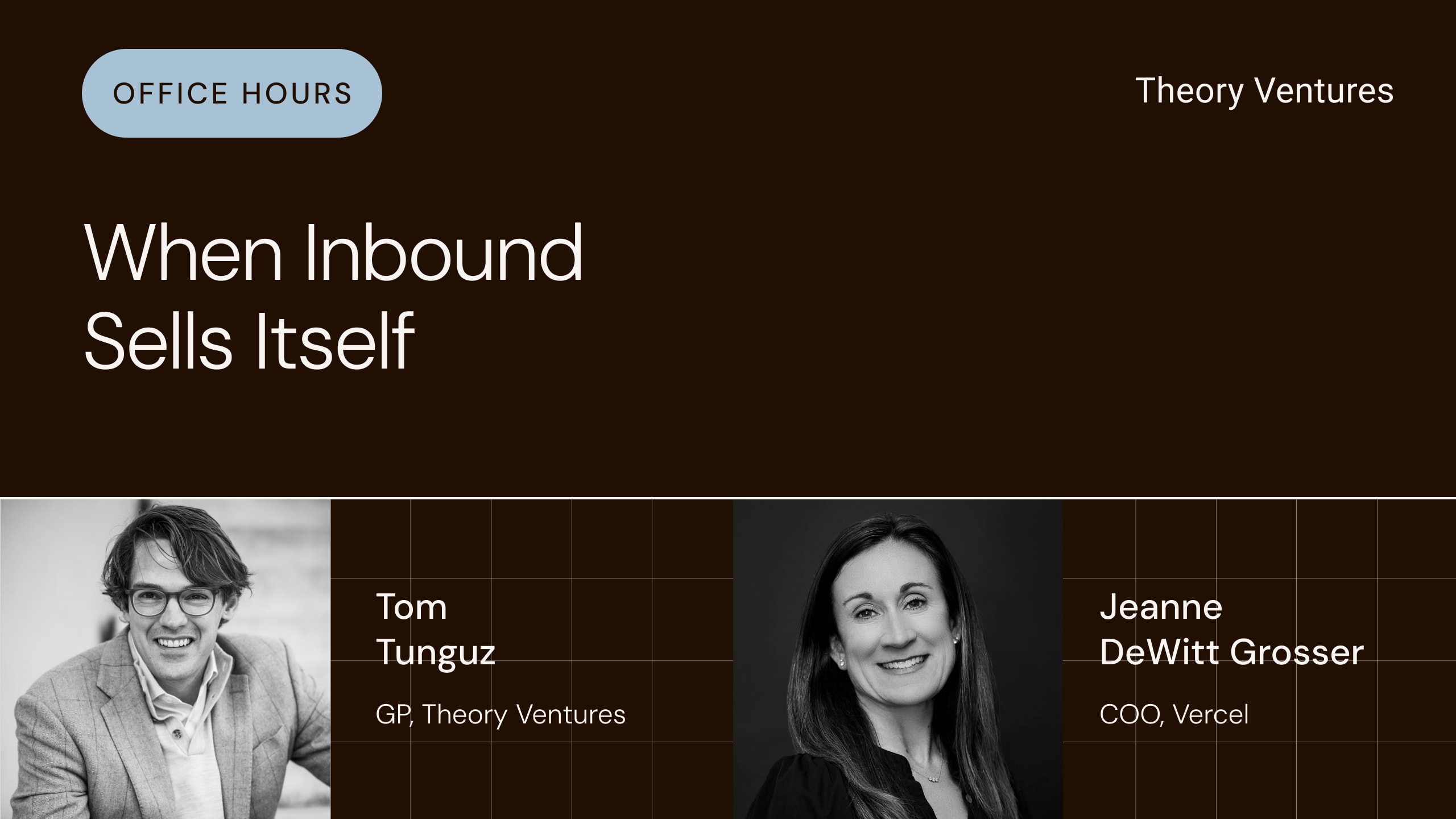
Jeanne DeWitt Grosser, the COO at Vercel, recently shared the blueprint for how they automated their inbound sales engine. It is a masterclass in staying lean. They did not hire a massive consultancy or build a new department. They used one Go-To-Market engineer at twenty percent capacity. That is the first lesson for any founder reading this: if your automation project requires a dedicated army, you are probably over-engineering the problem.
The Prompt Engineering Trap
In the beginning, Vercel did what everyone does. They tried to solve the entire problem with a massive prompt. They took their best Sales Development Representative, documented their brain, and turned it into a 1,000-line set of instructions for a Large Language Model. It worked, but it was brittle. This is the stage where most AI startups get stuck. They believe the magic is in the prompt, but prompts are difficult to debug and even harder to scale consistently.
For six weeks, they kept a human in the loop. This is the part that is not sexy and rarely makes it into the marketing decks of AI companies. They had humans checking the AI's work, marking it up, and catching the hallucinations. They were looking for the patterns in where the LLM failed to understand the nuance of a developer lead versus a corporate procurement lead.
Moving from Magic to Deterministic Rules
The real breakthrough happened when they realized that the 1,000-line prompt was a liability. Over time, they distilled that massive wall of text down to just fourteen deterministic rules. This is a critical pivot for any builder. You use the LLM to handle the messy, unstructured parts of the data, but you use hard-coded logic for the business decisions.
By shifting to a rule-based system where the model is only reserved for final judgment, they created a system that is predictable. In sales, predictability is worth more than creativity. You need to know that if a lead comes in from a specific sector with a specific budget, the system will route it the same way every single time.
Why Founders Should Care
If you are building in the AI space, the Vercel model is your competition. They are proving that internal tools can be built quickly and cheaply using existing talent. The 'agentic' future is not going to be dominated by companies that build the most complex systems, but by those who can most effectively translate human expertise into a few simple rules.
Vercel's approach shows that the 'GTM Engineer' is becoming one of the most important roles in a startup. This is someone who understands the sales funnel but can also write the code to automate it. They aren't just integrating APIs; they are distilling the company's institutional knowledge into a machine-readable format.
The Reality of Human-in-the-Loop
The six-week QA period is the most important part of this story. Most founders want to ship and forget. But Vercel understood that sales is about reputation. If an automated agent sends a nonsensical response to a high-value lead, the cost is not just a missed meeting; it is brand damage. By forcing a human to sign off on the AI's logic for over a month, they built the internal trust necessary to eventually take the training wheels off.
We are seeing this trend across the board. The hype of 'fully autonomous' is being replaced by 'augmented workflows.' The goal isn't to replace the SDR; it's to make the SDR's best day their every day. When you automate the mundane qualification steps, your humans can spend their time on the things that actually require empathy and complex negotiation.
The Takeaway for Builders
Stop trying to build a 1,000-line prompt that does everything. Start by documenting your best employee's workflow, turn it into a series of rigid rules, and use the AI only for the pieces that require subjective judgment. If one engineer can't handle the bulk of the work in their spare time, your process is likely too complex to be automated effectively yet.
The future of AI in the enterprise isn't a black box. It is a transparent, rule-based system that uses models as a thin layer of intelligence on top of solid engineering. Vercel didn't build a robot; they built a better filter.
Read the original at Tomasz Tunguz →