The Anatomy of a Pivot
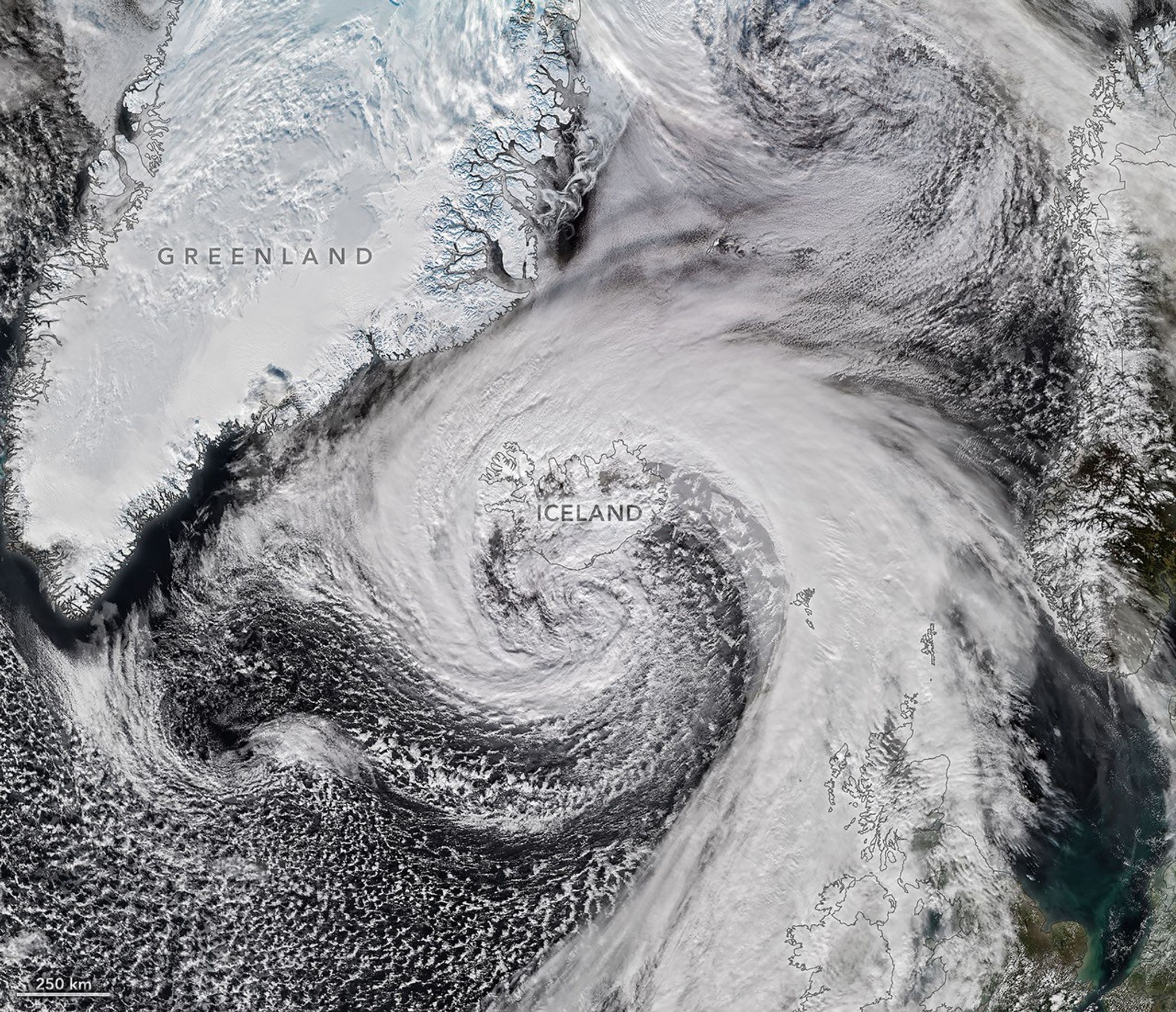
We spend a lot of time talking about growth in the crypto and AI space, but we rarely talk about transition. In the world of meteorology, there is a phenomenon called extratropical transition. It sounds like academic jargon, but it is actually a masterclass in how systems survive when their initial energy source runs out. Recently, the remnants of Hurricane Isaias made this jump, transforming from a tropical beast into a powerful extratropical cyclone that swept past Iceland. For builders, this is more than just a weather report; it is a case study in structural resilience.
When Isaias started, it was fueled by warm ocean waters. That is the startup equivalent of seed funding or a massive hype cycle. It is easy to move fast when the environment is perfectly tuned to your current design. But as the storm moved north, it lost that warmth. Most systems would just dissipate. Instead, Isaias tapped into a different energy source: the temperature gradients of the North Atlantic. It changed its internal engine to survive a colder, harsher environment. If you are building in Web3 right now, you are likely going through your own version of an extratropical transition.
Energy Gradients and Market Shifts
In a tropical cyclone, the core is warm. The storm is self-sustaining as long as it stays over the heat. When it moves toward the poles, it encounters cold air. To survive, it has to tilt. It becomes asymmetric. It starts drawing power from the clash between cold polar air and warmer air from the south. This is the definition of an extratropical cyclone.
I see founders making the mistake of trying to keep their "warm core" alive long after the market has cooled. They want the 2021 bull market dynamics to return. They are waiting for the warm water. But the environment has changed. The North Atlantic of the current economy is cold, and the only way to maintain momentum is to stop looking for heat and start leveraging the friction. In our world, that friction is real-world utility, regulatory clarity, and actual revenue models. The storm that hit Iceland didn't die because it stopped being a hurricane; it thrived because it became something else entirely.
Infrastructure as a Defense Mechanism
Iceland is a unique place for a storm like this to land. The island is essentially a giant rock of volcanic basalt and ice, sitting right where the atmospheric conveyor belt dumps its most violent weather. Because the residents expect this, their infrastructure is built for it. They don't panic when a low-pressure system like the Isaias remnant whips past because their grid, their homes, and their supply chains are decentralized and hardened.
Builders in AI and crypto often neglect this hardening. We build for the sunny days. We build protocols that work perfectly when gas fees are low or when API costs are subsidized by venture capital. But when the extratropical transition hits—when the subsidies dry up and the "weather" gets violent—the projects with soft infrastructure vanish. Resilience isn't about avoiding the storm; it is about building a structure that can handle the pressure drop without collapsing.
The Data Behind the Draft
Satellite imagery of the storm passing Iceland showed a classic comma-shaped cloud pattern. This is the visual signature of an extratropical system. It lacks the tight, circular eye of a hurricane, looking instead like a sprawling, aggressive wedge. It covers more ground. It affects more people. It is less concentrated but more expansive.
Why Expansion Matters
- Broadened Utility: Just as the storm grew in physical size as it lost its tropical status, a project must broaden its utility as it leaves the "hype" phase.
- Systemic Integration: Extratropical cyclones become part of the larger atmospheric flow. Your tech needs to stop being a standalone island and start being a necessary part of the broader stack.
- Predictable Volatility: We knew this storm was coming because the physics of the transition are well-understood. You should understand your business physics well enough to know what happens when the "warm water" of external funding stops.
The Founder Perspective
I have seen too many founders treat their projects like delicate tropical flowers. They are terrified of the cold. But the reality is that the most powerful systems on this planet—both atmospheric and economic—are the ones that can operate in the transition zones. The storm that reached Iceland was arguably more complex than the hurricane that birthed it. It had to deal with jet streams, complex pressure systems, and varying ocean temperatures.
If your startup is currently feeling the chill of a bear market or the sudden shift in AI sentiment from "magic" to "utility," do not try to fight the weather. You cannot warm up the ocean. Instead, look at your internal architecture. Are you still relying on a warm core that no longer exists? Or are you ready to tilt your structure and draw energy from the friction of the real world?
The strongest systems are not the ones that stay the same; they are the ones that use the changing environment to reinvent their power source.
Iceland didn't just survive the passing of the Isaias remnants; it simply continued to exist, unmoved. That is the goal. To build something so structurally sound that a massive shift in the global environment is just another Tuesday. The weather is always going to change. The question is whether you are a hurricane that fizzles out or a cyclone that learns how to thrive in the cold.
Takeaway for Builders
Stop waiting for the market to get "warm" again. The transition from a hype-driven project to a utility-driven one is exactly like an extratropical transition. It is messy, it is asymmetric, and it requires a total redesign of how you generate momentum. But if you get it right, you become a permanent fixture of the landscape, capable of weathering anything the North Atlantic—or the global economy—throws at you.
Read the original at NASA Breaking News →