We have spent the better part of a decade hearing that the blockchain would eventually eat Wall Street. The narrative is usually the same: T+2 settlement is a relic, weekends are for enthusiasts, and the future of finance is a round-the-clock machine that never sleeps. Ripple's latest move to bridge institutional desks with 24/7 stock bets using their RLUSD stablecoin feels like the first real stress test of that theory.
For the uninitiated, the promise here is simple. Through Ripple Prime, institutions can theoretically bypass the rigid opening and closing bells of traditional exchanges. They can post collateral in the form of Ripple’s dollar-pegged stablecoin to trade equities. On paper, it is a masterclass in efficiency. In practice, it highlights the friction between crypto infrastructure and the reality of global liquidity.
The Logistics of Constant Access
Legacy banking systems are built on the concept of 'banking hours.' When you buy a stock on a Friday afternoon, the actual ownership change often does not finalize until Tuesday. Ripple’s approach tries to modernize this by using the Ledger to handle the heavy lifting. By integrating RLUSD as a settlement layer, they are attempting to turn stocks into something that behaves more like Bitcoin—liquid, portable, and always 'on.'
For a founder in the DeFi space, this is the holy grail. We want assets to be interoperable. We want a world where a hedge fund in Singapore can hedge a position against a New York-listed stock at 3:00 AM local time without waiting for a clearinghouse to wake up. Ripple is providing the plumbing for this, but plumbing is only useful if there is actually water running through the pipes.
The Liquidity Problem
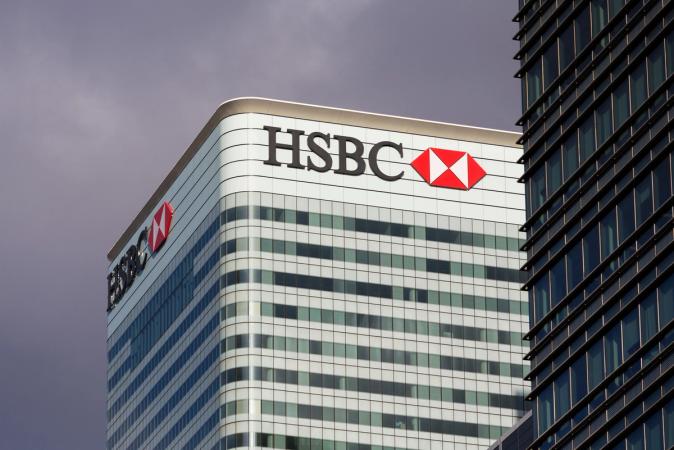
This is where the skepticism kicks in. HSBC and other major players have already voiced the obvious concern: the markets are thin. It is one thing to offer a platform that stays open all night; it is another thing entirely to find someone to take the other side of a nine-figure trade at midnight on a Sunday.
In traditional markets, liquidity is concentrated. The 'bells' matter because they signal when everyone is in the room. When you fragment that liquidity over a 168-hour week, you run the risk of massive slippage and price manipulation. If a major fund tries to offload a significant position through a stablecoin-collateralized platform during off-hours, the lack of depth could lead to price swings that would never happen on the NYSE floor.
What This Means for Builders
If you are building in the RWA (Real World Asset) space, Ripple’s move is a signal that the 'institutional grade' label is finally moving past the experimental phase. However, it also serves as a warning. You cannot just tokenize an asset and assume the market will follow. The technology is the easy part. The hard part is convincing the gatekeepers of capital that the risk of a thin market is lower than the reward of instant settlement.
- Infrastructure matters: Building a proprietary stablecoin like RLUSD gives Ripple control over the collateral layer. This reduces third-party risk but increases the burden of proof on the issuer.
- Bridge the gap: Successful builders will focus on the 'hybrid' phase. We are not going from T+2 to T-Zero overnight. We are going to live in a messy middle ground for several years.
- Focus on depth: Don't just build for speed. Build for depth. Incentivizing market makers to provide liquidity during off-peak hours is the next great challenge for on-chain finance.
The Stablecoin War for Collateral
We are also seeing a shift in how stablecoins are viewed. For years, USDT and USDC were the retail standards. But Ripple is positioning RLUSD specifically for this institutional use case. They aren't trying to win the 'coffee payment' war; they are trying to win the 'collateral for Goldman Sachs' war. By tying the stablecoin directly to equity trading, they are creating a utility loop that doesn't rely on retail speculation.
But we have to be honest about the hurdles. Regulators are still squinting at the idea of using private stablecoins to back public equities. If a flash crash happens at 2:00 AM on a decentralized ledger involving a regulated stock, the finger-pointing will be loud and legalistic. Ripple is essentially betting that they can stay ahead of the regulatory curve by being the 'compliant' alternative to the wild west of DeFi.
The Takeaway for the Industry
The 24/7 market is inevitable, but it won't be a smooth transition. Ripple’s entry into this space with RLUSD is a massive vote of confidence for the XRP Ledger's utility, but builders should watch the volume metrics more than the headlines. A market that is open but empty is a liability, not an asset.
The real victory isn't the ability to trade stocks at midnight; it's the ability to do so without losing 5% to the spread because the market is too thin to support the size.
We are moving toward a reality where the distinction between 'crypto' and 'finance' disappears. But until the big banks are comfortable providing deep liquidity on-chain during the graveyard shift, these platforms will remain a niche tool for specialized players rather than the new global standard. Ripple has built the stadium; now we see if anyone shows up to play the game when the sun is down.
Read the original at CoinDesk →