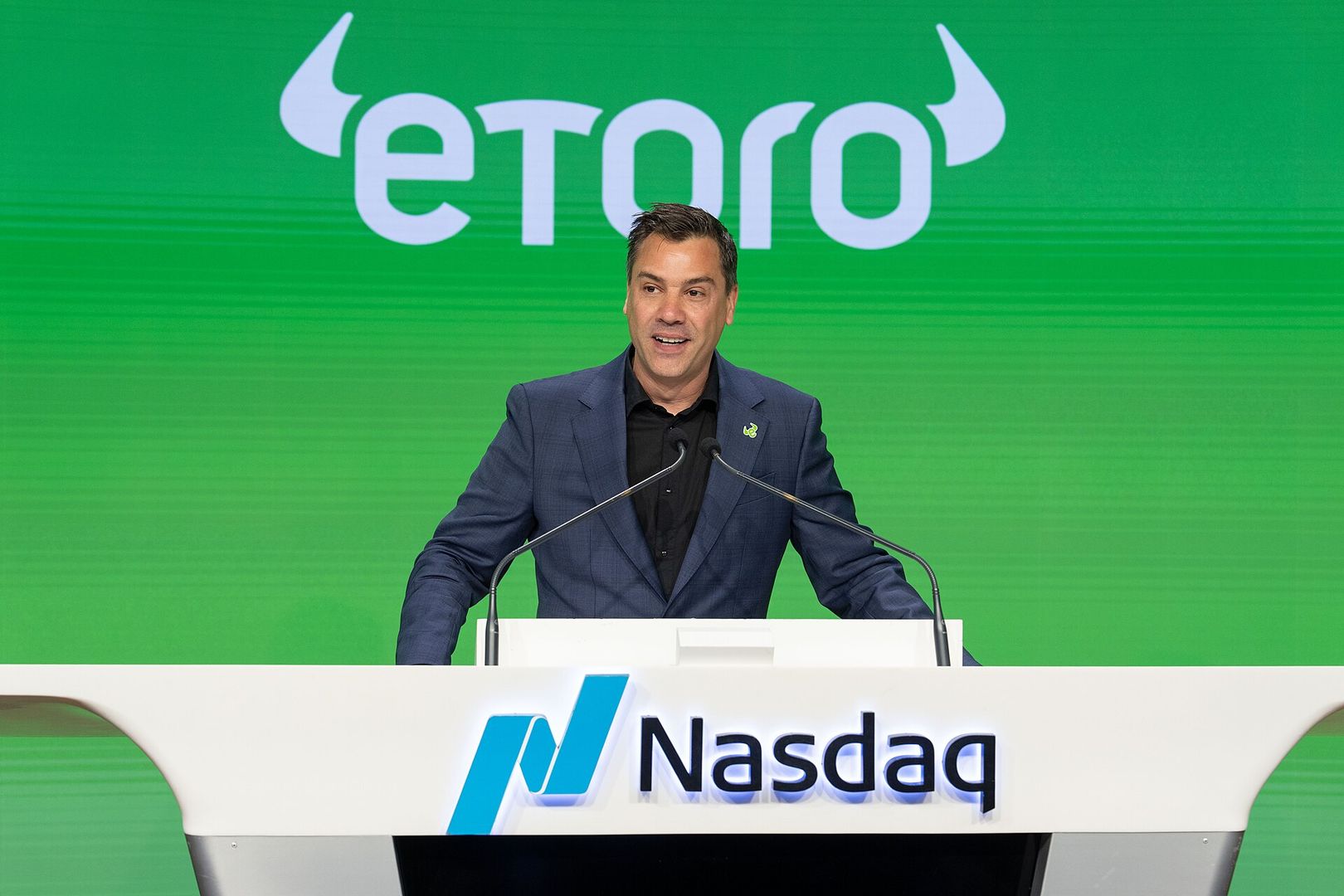
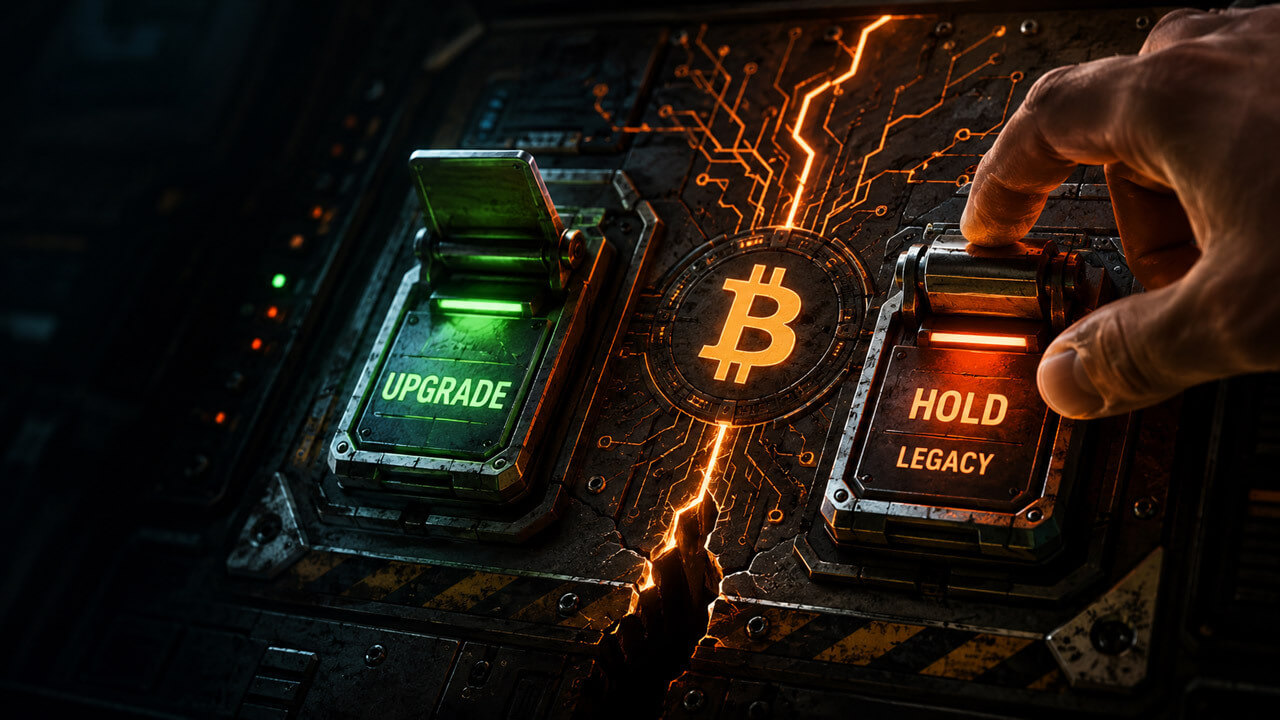
If you have been watching the retail brokerage landscape lately, you have probably noticed a subtle but desperate shift. The walled gardens of Web2 finance are cracking. Robinhood is leaning into its own non-custodial wallet, and now eToro is putting money behind Extended, an onchain derivatives platform. This isn't just another corporate venture capital play; it is a defensive maneuver in a world where users want to own their keys without sacrificing the complex instruments they used to get from centralized desks.
The Bridging Problem
For years, the experience of a retail trader was binary. You either used a platform like eToro to trade simplified versions of assets, or you ventured into the wild west of DeFi with a MetaMask wallet and a prayer. The middle ground was a graveyard of bad user interfaces. Builders have struggled to make onchain derivatives—specifically perpetual futures—feel as snappy and reliable as their centralized counterparts.
By investing in Extended, eToro is signaling that they no longer view the blockchain as just a settlement layer. They view it as the product. The plan involves integrating these perpetual products into the Zengo wallet, which eToro acquired recently. This tells us they are moving toward a modular future where the brokerage acts as the interface layer for various onchain protocols rather than trying to build a monolithic, closed-loop system.
Why Perpetual Futures Matter Locally
In the crypto world, perpetuals are the engine room. They allow for leverage, hedging, and speculation without the friction of expiry dates. Historically, these have been the domain of centralized exchanges like Binance or Bybit. But recent regulatory heat and a general distrust of centralized entities have pushed the volume toward decentralized exchanges. The problem is that most DEXs are still too clunky for the average person who just wants to click a button and go long on an asset.
Extended is attempting to solve the underlying liquidity and execution hurdles that keep retail traders away from DeFi derivatives. For founders in this space, the takeaway is clear: the market is moving away from purely speculative tokens and toward functional financial infrastructure that works behind the scenes. If you can make a complex trade look like a simple one, the big brokers will come knocking.
The Robinhood Effect
We cannot talk about eToro without mentioning their biggest rival. Robinhood has been aggressively shipping onchain features, essentially telling their users that they don't need a traditional bank or a centralized vault to participate in the global economy. This has put massive pressure on older players to innovate or risk becoming legacy software.
The race is no longer about who has the cheapest commissions—it is about who has the best integration with the decentralized ecosystem. Builders should pay attention to how these platforms are choosing partners. They aren't looking for another meme coin launchpad; they are looking for robust, scalable primitives like Extended that can handle high-volume trading without high gas fees or slippage.
A Founder's Perspective on Custody
The move to put these products inside Zengo is particularly interesting. Zengo uses MPC technology to eliminate the seed phrase headache, which is the single biggest barrier to entry for my non-technical friends. When you combine MPC security with institutional-grade derivatives, you get a product that actually competes with the legacy system.
From a builder's viewpoint, the lesson here is integration over isolation. Extended isn't trying to be the front-end for the whole world; they are positioning themselves as the engine that powers other front-ends. This architecture is much more resilient and attractive to investors. If you are building a DeFi protocol, think about how it plugs into a wallet like Zengo or a broker like eToro. That is where the liquidity lives.
The Skeptic's Corner
Is it all sunshine and airdrops? Probably not. Bridging traditional finance users into DeFi derivatives carries massive risk. Leverage is dangerous, and onchain leverage can be even more volatile due to rapid liquidations and oracle delays. I have seen many "game-changing" DeFi integrations fall apart the moment a flash-crash hits and the underlying smart contracts can't keep up.
eToro is taking a calculated risk here. They know that if they don't offer these tools, their smartest users will leave for a pure-play DEX. By investing in the stack rather than just listing tokens, they are trying to capture the value of the infrastructure itself. It is a smart move, but the execution will be everything. If the user experience is laggy or the fees are obscured in the spread, it won't matter how high-tech the backend is.
What This Means for the Next Cycle
We are entering an era of "Invisible DeFi." The user shouldn't have to know they are interacting with a smart contract or a liquidity pool. They should just see a balance, a chart, and a trade button. Extended represents that middle layer that makes this possible. As more brokers follow suit, we will see a massive influx of capital into these protocols, which will likely lead to a consolidation of the DEX market. Only the most efficient engines will survive the stress tests of a real bull market.
The Takeaway
The wall between centralized brokerage and decentralized finance is effectively gone. eToro’s investment in Extended proves that the industry leaders are no longer afraid of onchain derivatives—they are afraid of being left behind by them. For those of us building in this space, the goal remains the same: simplify the complex, secure the assets, and stay out of the user's way. The winners of the next decade won't be the ones with the loudest marketing, but the ones with the most invisible infrastructure.
Read the original at CoinDesk →