The Cleanup Crew
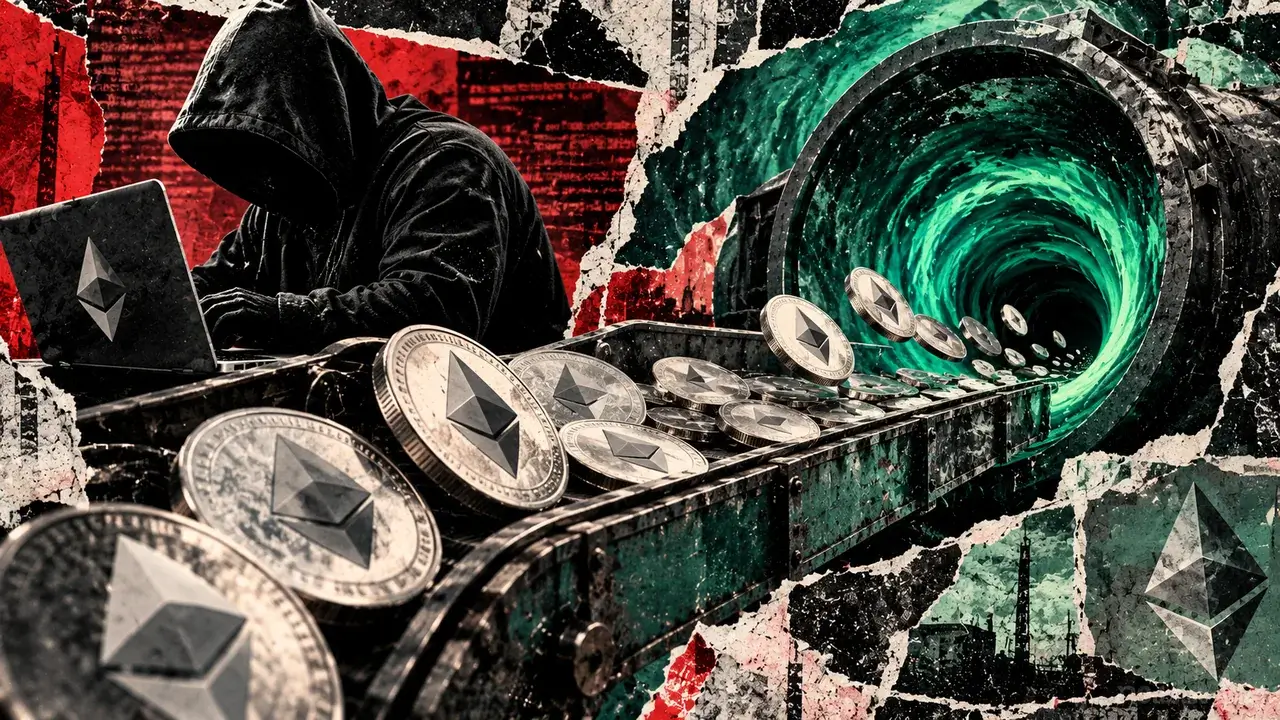
In the decentralized finance world, there is a specific type of silence that follows a hack. It is the period between the initial exploit and the moment the attacker decides whether to negotiate or disappear. For Drift Protocol, that silence just ended with a loud, programmatic exit. The address identified as the main exploiter recently moved $63 million through Tornado Cash, effectively cutting the cord on any lingering hopes for a negotiated recovery.
Watching 258 separate deposits hit a mixer is not just a loss of capital; it is a signal. It tells builders that the 'white hat' pivot is becoming less attractive to attackers than the raw utility of privacy tools. If you are building in this space, you have to look past the dollar amount and see the structural failure this represents for decentralized governance and risk management.
The Illusion of Recovery
For a long time, the industry relied on a predictable script. A protocol gets drained, the team offers a 10% bounty, and the hacker returns the rest to avoid the heat. It was a gentleman’s agreement enforced by the fear of law enforcement. But as these attackers get more sophisticated with their op-sec, the leverage shifts. When $63 million moves into Tornado Cash, the recovery claims for users move from a 'when' to a 'maybe never.'
We have to stop treating these events as anomalies. If your protocol’s security relies on the attacker having a conscience or being afraid of a CEX account freeze, you aren't building a decentralized system; you are building a house of cards. The Drift exploiter’s move shows that once the funds are in a mixer, the social layer of crypto—the tweets, the pleas, the on-chain messages—loses all its teeth.
What This Means for Founders
If you are a founder, this isn't just about auditing your code. It is about auditing your assumptions. We often talk about 'decentralized' as a badge of honor, but decentralization also means there is no one to call when the vault is emptied. The Drift case highlights three brutal realities for builders:
- Liquidity is a Double-Edged Sword: The same deep liquidity that makes your platform attractive to traders makes it a prime target for drain-style exploits. The faster funds can move, the faster they disappear.
- Mixers are the Ultimate Exit: Despite the legal heat on Tornado Cash, it remains the primary endpoint. If you don't have a plan for what happens when funds hit a mixer, you don't have a recovery plan.
- The Cost of Trust: Every time a major exploit goes 'dark' like this, the premium for insurance and audited vaults goes up. It makes it harder for the next founder to get off the ground.
The Skeptics View on Claims
There is a lot of talk about recovery claims and making users whole. But let’s be honest: where does that money come from? If the exploiter has washed the funds, the protocol is left staring at a hole in the balance sheet. Often, the solution is to mint a new token or promise future fees. This is just shifting the debt to future users. It’s a 'buy now, pay later' scheme for protocol security.
The Drift exploiter making 258 deposits indicates a level of patience and automation that should terrify most dev teams. This wasn't a panicked move; it was a methodical cleanup. When the attacker is more organized than the recovery effort, the users are the ones who pay the price. We need to stop acting surprised when privacy tools are used for their intended purpose—hiding the trail.
Building for the Post-Exploit Era
So, where do we go from here? The answer isn't more regulation, because code doesn't care about laws. The answer is building with the assumption that the 'white hat' negotiation is a myth. Founders need to implement circuit breakers that actually work and collateralization models that don't rely on the infinite price appreciation of a native token.
We also need to have a serious conversation about the 'recovery' narrative. Telling users that funds are being tracked is often just a PR move to keep the TVL from fleeing. Once the funds hit the mixer, the tracking becomes a theoretical exercise for blockchain forensics firms, not a practical path to getting your USDC back.
Takeaway for the Ecosystem
The Drift exploit and the subsequent laundering of $63 million is a reality check. It proves that the technical debt of DeFi is being called in by attackers who are happy to play the long game. For builders, the lesson is simple: security isn't a feature you add later; it is the only thing that keeps your project from becoming a headline about a mixer deposit.
Stop counting on the generosity of hackers. Start building systems where the cost of the attack outweighs the ease of the exit. Until then, we are all just watching the Etherscan feed and hoping for the best. And as we just saw, hope is not a very good security model.
Read the original at CryptoSlate →