We have spent the last decade obsessed with digital outputs, but two massive shifts are forcing us back into the physical world. One is intimate: giving amputees the ability to feel again through bionic limbs. The other is industrial: the desperate, massive scramble for energy to keep AI data centers from crashing the grid. Both involve high-stakes engineering, but they tell very different stories about where we are heading as builders.
The Tactile Breakthrough in Bionics
For a long time, prosthetic limbs were mostly aesthetic or rudimentary tools. If you lost a hand, you could get a hook or a plastic mold that looked the part but did not act it. Even the high-end robotic hands of the last five years were largely one-way streets. You could tell the hand to grip, but the hand couldn't tell you how hard it was squeezing. For someone like Avi Davidson, who has spent decades navigating the world without a left hand, that lack of feedback is a constant mental drain.
The latest generation of bionic hands is changing the architecture of the human-machine interface. We are moving past simple motor control into the realm of sensory feedback. By integrating sensors into the fingertips of the prosthetic and linking them to the remaining nerve endings in the arm, engineers are effectively closing the loop. This is not just about utility; it is about cognitive load. When you can feel the pressure of a glass or the texture of a surface, your brain stops treating the prosthetic as a foreign tool and starts treating it as part of the body.
For builders in the med-tech or robotics space, the takeaway here is about the 'feedback loop.' We often focus on how a user controls a device, but the real magic happens when the device talks back to the user's nervous system. It is the difference between remote-controlling a drone and actually flying. This leap forward is a reminder that hardware is finally catching up to the promises made by sci-fi authors forty years ago.
The AI Energy Wall
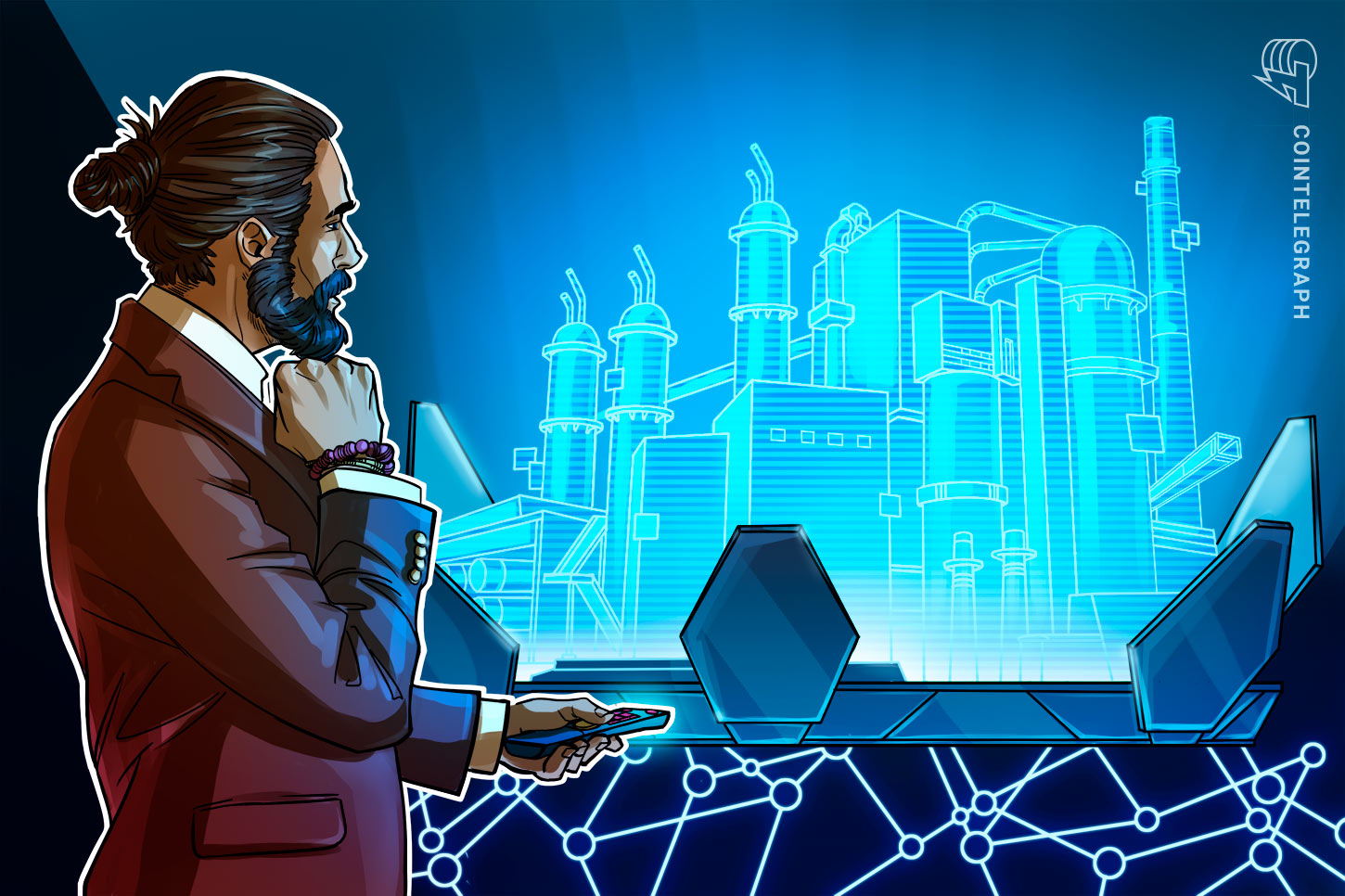
While we are making limbs more human, we are also making our digital infrastructure more hungry. The surge in generative AI has created a demand for compute that the current green energy transition simply cannot handle. We are seeing a massive, somewhat uncomfortable boom in natural gas. Big Tech companies that spent years marketing their carbon-neutral goals are now staring at a reality where wind and solar cannot provide the 24/7 'baseload' power required by massive H100 clusters.
This is a pivot point for the industry. Natural gas is being framed as the 'bridge fuel' that will get us through the AI gold rush while we wait for small modular reactors or better battery storage. But for founders, this signals a shift in where the money is going. We are seeing a resurgence in 'old' infrastructure. Pipelines, gas turbines, and thermal management are suddenly the hottest sectors in tech investment because, without them, the software does not run.
The Reality of Scalability
I talk to a lot of founders who think they are building 'asset-light' software companies. The reality is that we are all tethered to the physical constraints of the grid. If you are building a startup that relies on heavy inference or training, you are effectively a downstream customer of the natural gas industry right now. This creates a weird paradox: we are using the most advanced intelligence we have ever built to solve problems, but we are fueling that intelligence with 19th-century fossil fuel concepts updated for the 21st century.
We are seeing a divergence in the 'green' narrative. On one hand, AI promises to optimize energy grids and discover new materials for batteries. On the other hand, the immediate need for power is forcing a retreat back to carbon-emitting sources. As a builder, you have to look at this with a skeptical eye. The 'AI will solve climate change' pitch is currently being balanced out by 'AI is extending the life of the gas industry.'
What it Means for Builders
If you are in the hardware space, specifically robotics, the bionic breakthrough proves that the 'human-in-the-loop' model is moving toward 'human-as-the-loop.' We should be looking at how tactile sensors and neural interfaces can be applied outside of medicine. Think about remote manufacturing, hazardous waste handling, or even space exploration. The tech that helps Avi Davidson feel a handshake is the same tech that will allow a technician in Ohio to 'feel' a repair being done by a robot in orbit.
If you are on the software or AI side, the energy crisis is your biggest bottleneck. We have reached the end of the era where you could just assume the cloud was infinite and cheap. Efficiency in model architecture is no longer just a technical flex; it is a business necessity. If your model requires 50% less compute, you are not just saving money—you are reducing your dependence on a fragile and increasingly controversial energy supply chain.
The Founder's Perspective
I have always been a fan of the 'builder-first' mentality, which means looking at the raw materials. In 2024 and beyond, the raw materials are no longer just code and data. They are sensors, silicon, and thermals. The bionic hand succeeds because it respects the complexity of human biology. The AI industry is struggling because it tried to ignore the complexity of the physical grid.
We need to stop thinking about technology as something that happens 'somewhere else' in a virtual space. Whether it is a nerve interface in a prosthetic arm or a gas-fired turbine in Virginia, the most important developments in tech right now are the ones that touch the earth and the skin. The hype cycles for LLMs will fluctuate, but the demand for physical touch and physical power is absolute.
The Clear Takeaway
The next era of innovation belongs to those who can bridge the gap between digital intelligence and physical reality. In bionics, that means moving from 'control' to 'sensation.' In AI, that means moving from 'unlimited scale' to 'energy-aware engineering.' Stop building for a world where resources are infinite and start building for a world where the interface and the infrastructure are the primary constraints. The winners won't be the ones with the flashiest demos; they will be the ones who figured out how to make the machine feel and how to keep the lights on without breaking the world.
Read the original at MIT Technology Review →