We have all seen the headlines about the overnight millionaires. When the markets pump, the retail crowd dreams of paying off their mortgage. But at the top of the food chain, the whales are playing a different game. They aren't just buying houses; they are buying artifacts, prehistoric bones, and even literal rotting fruit.
As someone who spends most of my time looking at the plumbing of the crypto industry, these spending sprees usually strike me as a mix of performance art and extreme boredom. But there is a deeper lesson here for builders: the way people spend money tells you exactly how they value the assets they hold. When your portfolio goes up 10,000%, traditional luxury stops being interesting. You start looking for the weirdest, most illiquid things on the planet just to feel something.
The Prehistoric Flex
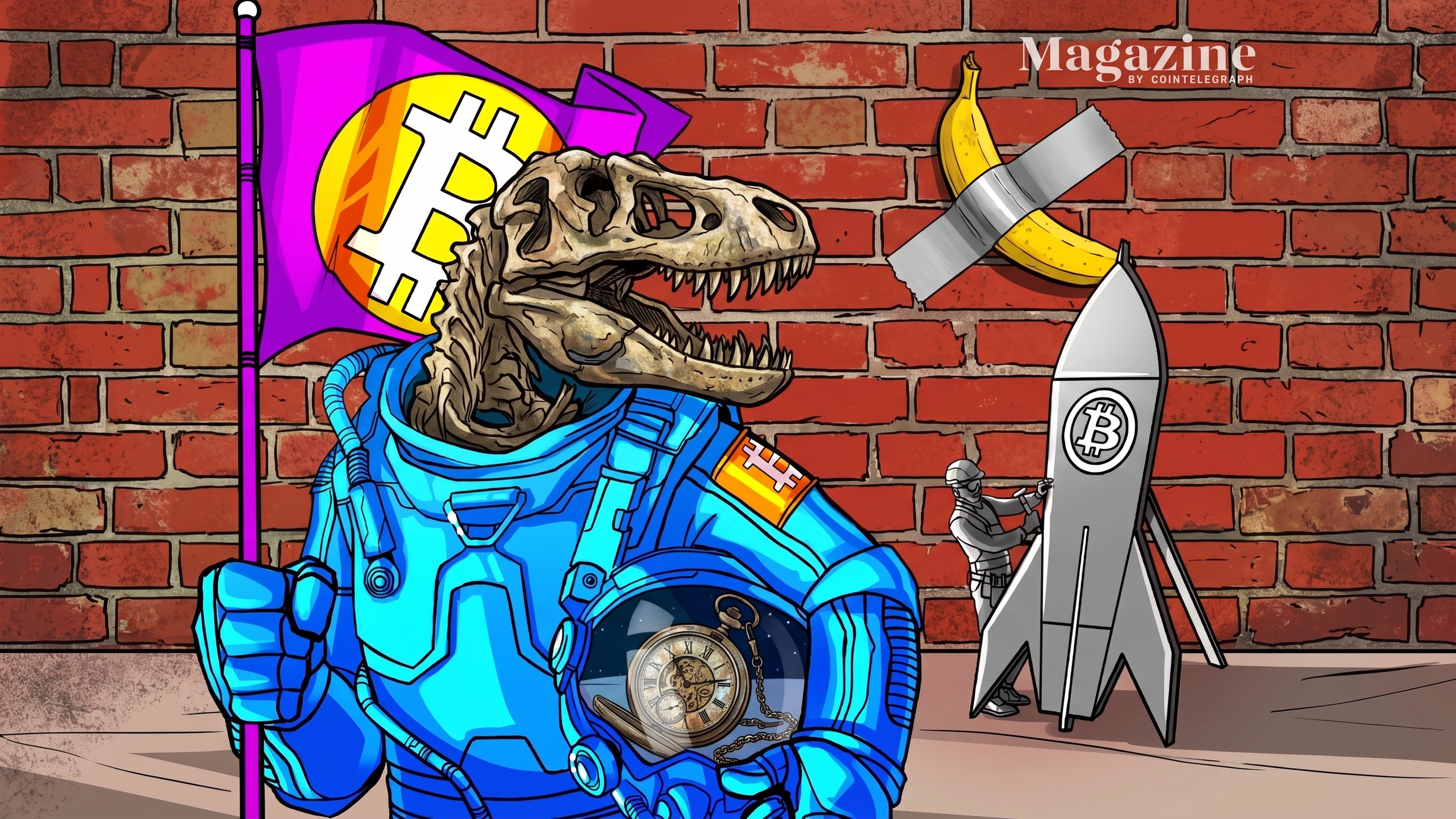
Perhaps the most famous example of this is the obsession with dinosaur skeletons. When a crypto founder drops millions on a T-Rex or a Stegosaurus, it is not just about a love for paleontology. It is a statement on permanence. In a world of digital bits and volatile tokens that can disappear overnight, owning something that survived 60 million years is the ultimate hedge.
For builders, this is a reminder of the scarcity mindset. The crypto industry is built on the idea of hard caps and limited supply. When a whale buys a fossil, they are buying the ultimate non-fungible token. There is no minting another Stan the T-Rex. It is the physical manifestation of the proof-of-work ethos.
Art as a Liquidity Test
Then we have the high-profile art purchases. We are not just talking about Beeple or blue-chip NFTs. We are talking about physical installations that challenge the very definition of value. Remember the banana duct-taped to a wall? That wasn't just a meme; it was a transaction that forced people to question what they were actually paying for.
When a whale spends six figures on a piece of fruit that will inevitably rot, they are signaling that they have reached a level of liquidity where the loss of capital is irrelevant. For a founder, this is a dangerous trap. It is easy to look at these sales and think the market is irrational. It is. But that irrationality is what fuels the hype cycles we rely on to bootstrap new protocols. You have to understand the madness to build for it.
The Physical-Digital Bridge
We are also seeing whales spend fortunes on things that bridge the gap between their digital wealth and the physical world. This includes everything from custom-built supercomputers to private islands and experimental bio-hacking labs. These aren't just toys; they are attempts to turn volatile gains into tangible, long-term utility.
The skeptics will call this waste. They aren't entirely wrong. But from a founder’s perspective, these bizarre purchases represent a massive unlock of capital. Every time a whale buys something weird, that capital moves from a dormant wallet back into the broader economy. It creates jobs for the people building the islands, the people excavating the bones, and the people shipping the art.
Why Builders Should Care
You might be wondering what a Stegosaurus has to do with your Layer 2 scaling solution. The answer is sentiment. The way the top 1% of the industry spends their money is a leading indicator of market health. When whales are buying islands, they are confident. When they start liquidating their weird collections to buy stablecoins, you should probably check your roadmap.
Building in this space requires a thick skin and a healthy dose of skepticism. You see the flash, the lambos, and the dinosaur bones, and it is easy to think the whole thing is a joke. But underneath the weirdness is a generation of people who have more capital than they know what to do with. Your job as a builder is to create something more valuable than a duct-taped banana.
The Risk of the Echo Chamber
The danger here is the echo chamber. When whales spend millions on bizarre items, it sets a standard for the rest of the community. We start to value the spectacle over the substance. If your project is only gaining traction because it appeals to the "bizarre spending" crowd, you are building on sand. Eventually, the whale gets bored, the banana rots, and the liquidity dries up.
I have seen founders chase these whales, trying to tailor their products to the whims of the ultra-wealthy. It rarely works long-term. The whales are looking for the next weird thing, not a better version of the last thing. The builders who survive are the ones who focus on the 99% of people who actually need the technology to work, not the 1% who want to buy a fossil.
The Takeaway
The bizarre spending habits of crypto whales are a symptom of a young, highly volatile industry. It is a mix of new money trying to find its footing and old-school flexes adapted for the digital age. Don't get distracted by the skeletons and the fruit. Use it as a gauge for how much capital is sloshing around, but keep your head down and focus on utility.
Real value isn't found in a six-figure banana. It is found in the tools that will still be useful when the hype dies down and the whales move on to their next strange hobby. Stay skeptical, stay focused, and remember that just because something is expensive doesn't mean it's important.
Read the original at Cointelegraph →