The Political Crosshairs Shift Toward Crypto
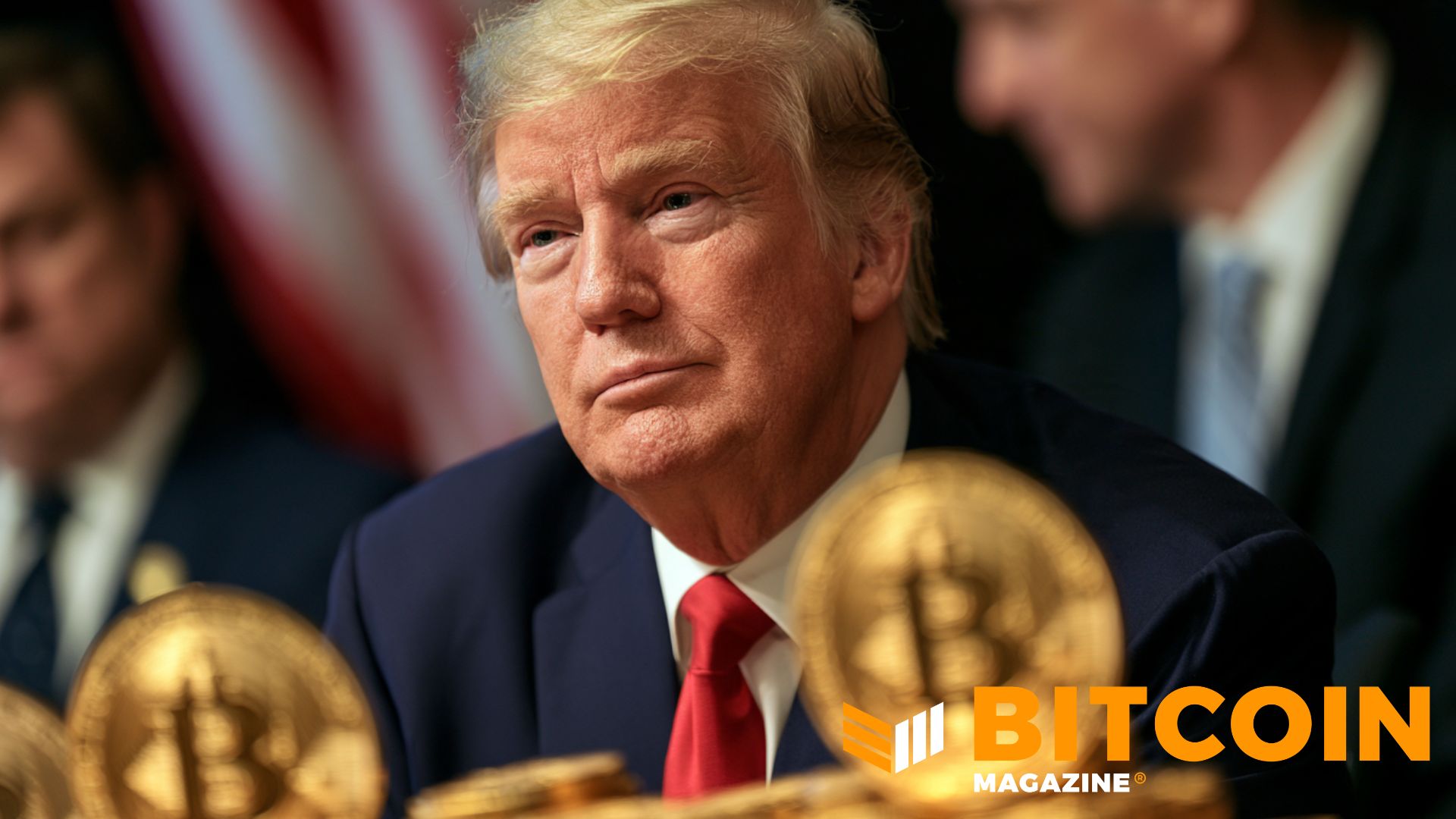
We have spent years talking about how crypto needs to stay out of the partisan meat grinder, but that ship has officially sailed. Recent reports indicate that if Democrats maintain or regain significant leverage in Congress, their primary target isn't just generic regulation anymore. It is World Liberty Financial. Specifically, they are looking at the ties between the Trump administration's inner circle and the decentralized finance platform that has spent the last few months grabbing headlines for all the wrong reasons.
For those of us building in this space, this is a double-edged sword. On one hand, transparency is the bedrock of what we do. On the other, when the regulatory hammer is used as a political scalpel, the entire industry feels the vibration. The subpoenas being prepared aren't just about one family; they are about setting a precedent for how the government interacts with private crypto ventures tied to public officials.
The Emirati Connection and the $500 Million Question
One of the most significant points of contention involves a reported $500 million stake involving Emirati interests. In the world of venture capital, half a billion dollars is a massive signal. In the world of politics, it is a massive target. Investigators are looking to see if these investments represent a conflict of interest or a potential avenue for foreign influence through a digital asset platform.
As builders, we often look for global liquidity. We want the best capital from the best sources. But the reality is that when you bridge the gap between high-level politics and high-stakes DeFi, the scrutiny scales exponentially. This isn't just about whether the code is audited; it is about whether the cap table is a liability for national security. Whether those concerns are legitimate or purely theatrical depends on who you ask, but for the market, the noise alone is enough to cause friction.
The CZ Pardon and the Message It Sends
The report also highlights a renewed interest in the pardon of Changpeng Zhao, the former CEO of Binance. This is a point where the founder perspective gets complicated. CZ is a titan of the industry who settled his accounts with the U.S. government, yet his shadow looms large over every discussion involving the current administration's crypto policy.
When Congressional investigators start poking into these pardons, they aren't just looking for procedural errors. They are looking to build a narrative that crypto is a playground for the elite to bypass standard legal hurdles. For those of us trying to build legitimate, compliant tools for the average user, this narrative is exhausting. It paints the entire sector with a brush of 'backroom deals' rather than 'technological innovation.'
Why Founders Should Care
You might think, 'I am not Donald Trump, and I am not building a platform with presidential branding, so why does this matter to me?' It matters because legislation written in anger or as a defensive measure against a political opponent rarely results in good policy. If the next wave of crypto laws is designed specifically to dismantle World Liberty Financial, the collateral damage will be every other DeFi protocol trying to navigate U.S. law.
We are looking at a potential environment where every major capital raise is treated as a potential geopolitical event. If you are a founder raising from international VCs, you might find yourself caught in a net that was originally cast for someone else. This is why we need to watch these subpoenas closely. It is less about the specific outcome for World Liberty and more about the boundaries being set for the rest of us.
The Skeptic's View on 'Builder-Friendly' Politics
There has been a lot of talk lately about how the current political climate is the best thing to ever happen to Bitcoin and crypto. I am naturally skeptical of that. When crypto becomes a central pillar of a political party's platform, it becomes a target for the opposing party. Innovation should be bipartisan, or better yet, apolitical. When it becomes a tool for leverage, the technology takes a backseat to the optics.
The subpoenas mentioned in these reports suggest that the 'honeymoon phase' of pro-crypto sentiment in D.C. might be shorter than expected. If the industry is tied too closely to a single individual, its success or failure becomes tied to that individual’s political standing. That is a single point of failure—something we are supposed to be building away from.
Navigating the New Regulatory Friction
What should builders do? First, stop assuming that 'pro-crypto' politicians will protect you from the basic realities of compliance and public scrutiny. The investigators are looking at everything from token distribution models to the physical location of servers. They are looking for reasons to classify these ventures as something other than pure tech.
Second, diversify your regulatory risk. If your entire strategy relies on a specific administration staying in power or a specific piece of legislation passing, you aren't building a protocol; you're building a bet. The best way to survive a political subpoena storm is to have a clean, transparent operation that doesn't rely on political favors to function.
The most resilient protocols are those that can survive even when the people in charge of the country are actively looking for reasons to shut them down.
The Takeaway for the Industry
The upcoming Congressional focus on Trump’s crypto ties isn't just a news cycle event; it’s a stress test for the entire ecosystem. It will reveal how the U.S. government plans to handle the intersection of private digital wealth and public power. Whether you support the current administration or not, the precedent being set here will dictate the next decade of American crypto policy.
We need to focus on building systems that are so transparent and so useful that they can withstand the inevitable political theater. If the only way a crypto project can survive is through a specific set of political allies, then it wasn't truly decentralized to begin with. Watch the subpoenas, but keep your head down and keep shipping code that doesn't need a pardon to exist.
Read the original at Bitcoin Magazine →