We had a good run with the jokes, but the suits are here now, and they aren't laughing. For the last couple of years, the crypto market felt like a never-ending carnival where anyone with a basic understanding of smart contracts and a sense of humor could launch a token based on a dog, a frog, or a politician and see life-changing returns in forty-eight hours. It was chaotic, often predatory, but undeniably vibrant. That version of the market is officially on life support.
The Professionalization of Volatility
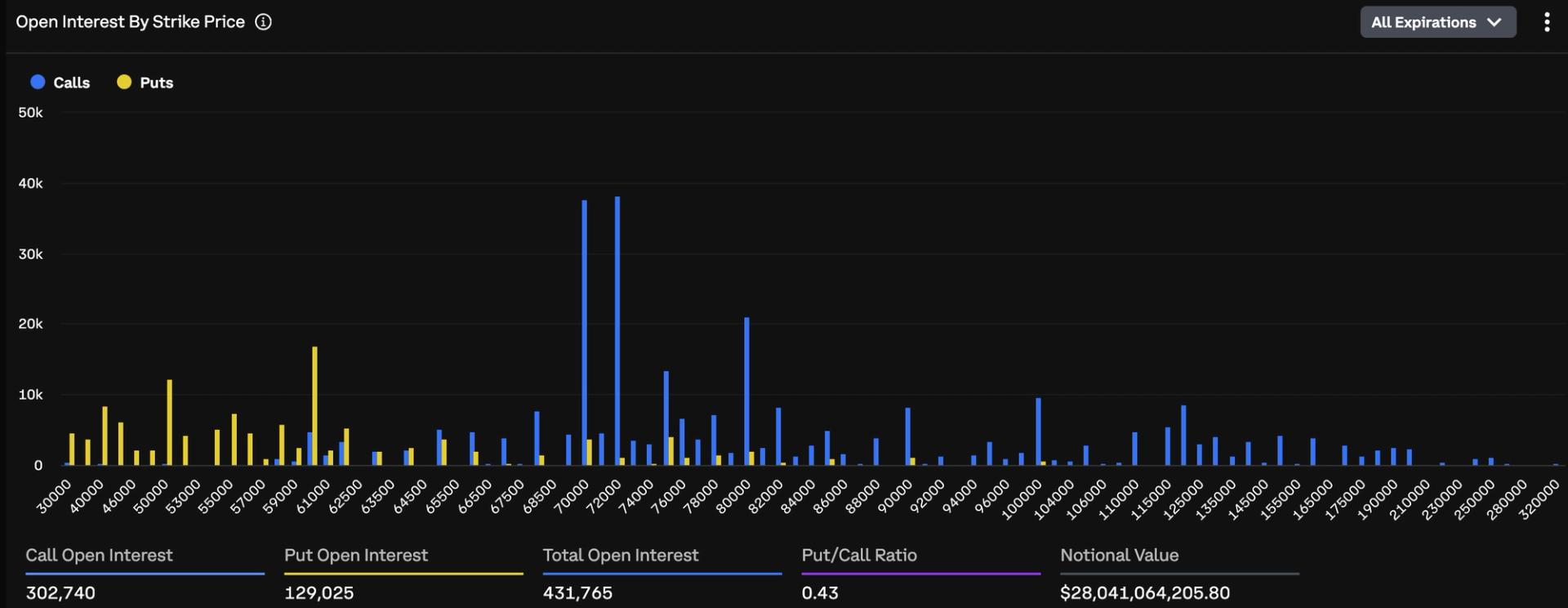
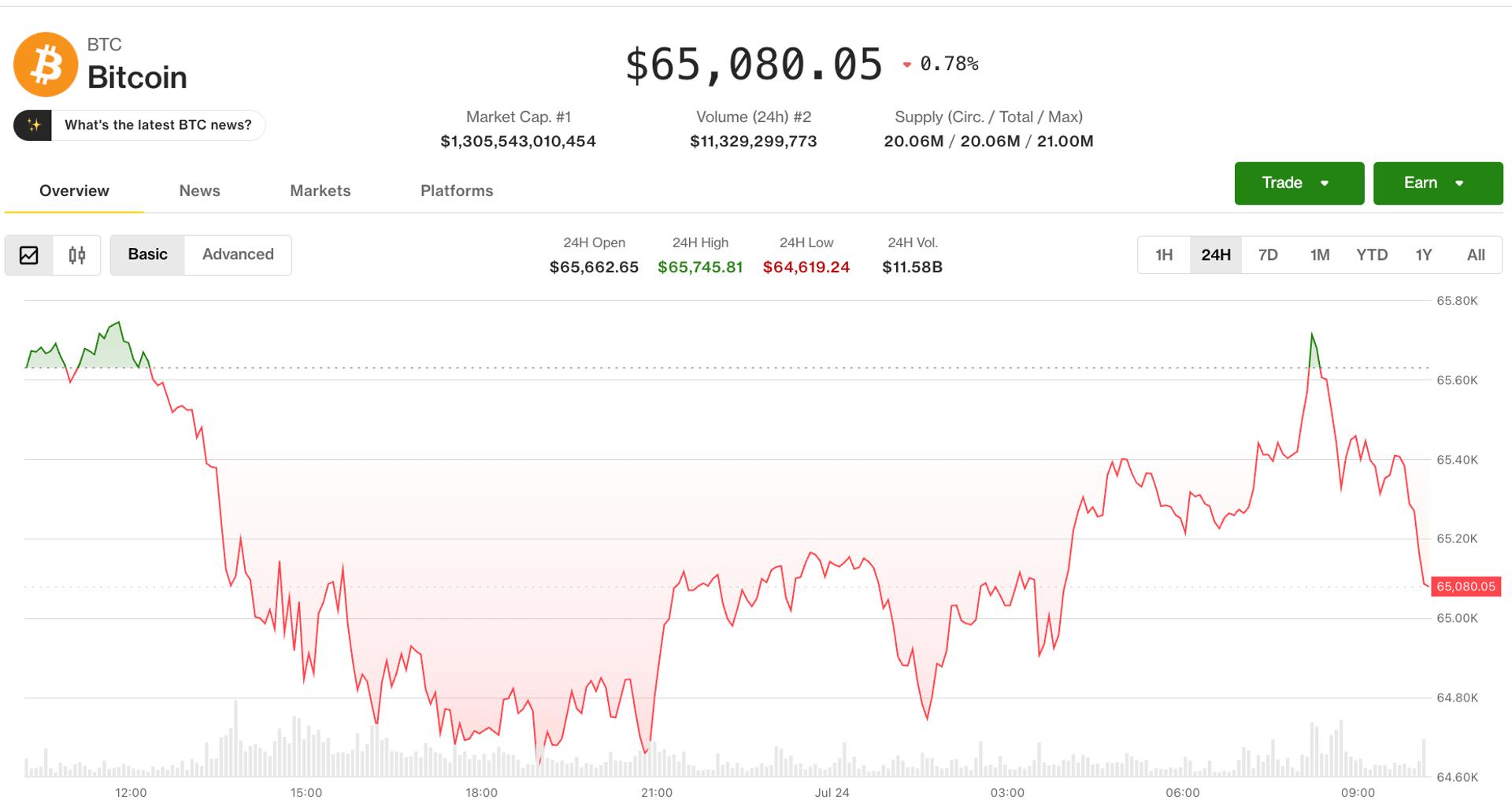
The latest data from the middle of 2026 shows a massive shift in where capital is flowing. We are seeing a sustained, heavy influx of institutional money that doesn't care about community vibes or viral marketing. These funds are looking for delta-neutral strategies, yield farming at scale, and regulatory compliance. They want the stuff that looks like a bank balance sheet, not a gambling den.
When these big players enter a room, the air leaves it for the small-time retail speculator. Memecoins rely on a specific kind of decentralized greed and attention-seeking. But when the liquidity in the market becomes dominated by exchange-traded products and pension fund allocations, the pump-and-dump dynamics of memecoins lose their oxygen. The volatility is being smoothed out, not because crypto got safer, but because it got more professional.
The Multi-Trillion Dollar Wet Blanket
If you are a builder in this space, you need to understand that the exit liquidity has changed. In 2024, your exit liquidity was a teenager on a smartphone dreaming of a 1000x gain. In 2026, your exit liquidity is an algorithmic trading desk that operates on four-decimal-point spreads. This changes everything about how you build and market a project.
We are seeing the death of the "fair launch" as a viable path for new tokens. Institutions prefer private rounds, vetted teams, and legal frameworks. They don't want to buy a token that was launched on a whim. This means the overhead for starting a crypto project has skyrocketed. You aren't just writing code anymore; you are hiring compliance officers and dealing with custody providers. It’s boring, expensive, and necessary for survival in the current climate.
Why the Meme Engine Stalled
- Capital Efficiency: Institutional investors want to put billions to work. You can't put a billion dollars into a memecoin without tanking the price or owning the entire supply, which makes it an uninvestable asset for them.
- Regulatory Risk: After the several rounds of crackdowns we've seen, major funds won't touch anything that looks like a security or lacks a clear utility. The legal gray area that memes lived in has turned pitch black.
- Market Fatigue: Retail users eventually got tired of being the rug-pull victims. The novelty of the joke wore off when the punchline was always 'you lost your rent money.'
The Pivot to Real-World Assets
The capital that used to chase the next PEPE is now moving into Real-World Assets (RWAs). This is the new frontier for builders. We are talking about tokenized treasuries, private credit, and real estate. It sounds like the traditional finance world we all claimed to be escaping, but this is where the money is staying. It turns out that the 'mass adoption' we all talked about looks a lot like a more efficient version of Wall Street.
For founders, this is a hard pill to swallow. Building a protocol that manages the legal complexities of tokenized debt is significantly harder than spinning up a meme coin on a decentralized exchange. It requires a different skill set—one that prioritizes security and legal standing over Twitter engagement metrics. If you’re still trying to build for the 2021 bull run, you’re already irrelevant.
The Social Cost of Stability
There is an emotional toll to this transition. Crypto used to feel like an outsider's club. Now, the outsiders have been replaced by the people who were running the banks we hated. The counter-culture energy is gone. When BlackRock and Fidelity become the biggest holders in the ecosystem, the 'rebellion' part of the tech stack disappears.
But from a builder's perspective, this isn't necessarily a funeral. It’s a graduation. We are moving away from the sandbox and into the global economy. The tools we are building now actually have to work. They have to provide value that isn't just based on someone else being a 'greater fool.' The death of the memecoin craze is the birth of the utility era, even if it feels a little less fun on the weekends.
The market doesn't owe you a joke. It owes its stakeholders a return. The sooner we accept that the era of memes is over, the sooner we can build things that actually matter for the next hundred years.
Navigating the New Guard
So, where do you go from here? If you are a founder, stop looking at the top trending tokens on decentralized trackers. Start looking at what the institutional desks are asking for. They want privacy layers that allow for selective disclosure. They want interoperability that doesn't sacrifice security. They want insurance primitives. They want the plumbing.
The era of being 'too early' to crypto is over. We are firmly in the middle of it. The winners of the next decade won't be the ones who can make a meme go viral, but the ones who can make a complex financial transaction happen in two seconds for a fraction of a penny with zero downtime. That’s the work that’s left for us.
The Takeaway for Builders
The institutional wave has effectively homogenized the crypto market. The extreme retail-driven cycles are being replaced by institutional cycles, which are slower, larger, and much more tied to macroeconomic indicators like interest rates. If you are building for the 'degen,' you are building for a shrinking demographic. The future belongs to the builders who can provide professional-grade infrastructure for the institutional giants who have finally moved in for good.
Read the original at CoinDesk →