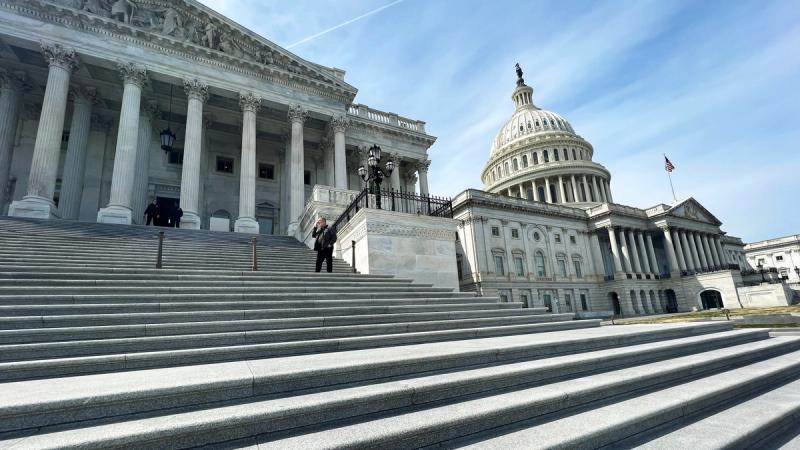
We are staring down the barrel of another election cycle, and the crypto industry is doing its usual dance of anxiety and opportunistic spending. The 2026 midterms aren't just about which party holds the gavel; for those of us actually building things, it is about whether the next two years will be spent in a courtroom or a sandbox. The stakes have shifted from 'is crypto legal' to 'who gets to control the ledger.'
The PAC Industrial Complex
In previous cycles, the industry was desperate for a seat at the table. Now, through massive political action committees, the industry basically owns the table. We are seeing record-breaking sums flowing into races that, on the surface, have nothing to do with blockchain. But look closer. The strategy has pivoted from supporting 'crypto candidates' to punishing anyone who suggests that decentralized finance should be treated like a legacy bank.
For a founder, this is a double-edged sword. On one hand, it is great to have political muscle. On the other, it creates a volatile environment where crypto becomes a partisan wedge issue. When code becomes a political platform, the nuances of technology get lost in the noise of 30-second attack ads.
The Legislative Logjam
The core of the issue is the lack of a clear taxonomy. Are we dealing with securities, commodities, or something entirely new? The 2026 results will determine the fate of several key bills that have been gathering dust in committee. If we see a split Congress, expect two more years of 'regulation by enforcement'—where the SEC picks winners and losers based on who they can bully into a settlement first.
If one party takes a clean sweep, we might actually get a framework. But be careful what you wish for. A rushed framework written by staffers who barely understand how a smart contract works could be more damaging than no framework at all. We need legislation that recognizes the difference between a centralized exchange and a decentralized protocol.
What This Means for Founders
If you are building right now, you cannot ignore Washington. The era of 'move fast and break things' in crypto is dead, mostly because the things you break are now protected by federal agencies. Builders need to look at three specific areas as the election results roll in:
- Jurisdictional Clarity: Does the CFTC get more power, or does the SEC keep its grip? For most DeFi projects, a CFTC-heavy world is the goal.
- Stablecoin Regulation: This is the low-hanging fruit. Both sides want to regulate stablecoins to protect the dollar's dominance. The 2026 winners will decide if only big banks can issue them.
- Self-Custody Rights: This is the hill to die on. Any legislation that targets the ability of an individual to hold their own keys is an attack on the technology itself.
The Global Context
While the U.S. is bickering over midterm seats, the rest of the world is moving on. Europe has MiCA. Asia is aggressively courting developers. If the 2026 midterms result in more gridlock, we are going to see a massive talent drain. Founders aren't going to wait around for a polarized Congress to decide if their project is legal; they will just move to Lisbon or Singapore.
I talk to founders every week who are tired of the 'state of play' updates. They want to ship code. But when the state of play involves potential subpoenas, you have to pay attention. The 2026 election is essentially a referendum on whether the U.S. wants to remain the hub for financial innovation or if it prefers to be the world's most expensive retirement home for legacy finance.
The biggest risk in 2026 isn't that the 'wrong' side wins; it is that the election results don't provide enough of a mandate to actually pass anything, leaving us in this permanent state of regulatory limbo.
Strategies for the Long Game
Don't build your roadmap around a specific election outcome. That is a fool's errand. Instead, build for resilience. Use the next few months to harden your compliance if you are centralized, or to further decentralize if you are a protocol. The goal is to be 'un-cancellable' regardless of who wins a seat in a state you've never visited.
We also need to stop treating crypto as a monolithic voting block. It isn't. There are privacy advocates, institutional bankers, NFT artists, and yield farmers. The more we try to fit the entire industry into one political bucket, the easier it is for politicians to dismiss us when the wind shifts.
Final Reality Check
The 2026 midterms will be noisy, expensive, and frustrating. We will hear a lot of promises about 'fostering innovation' and 'protecting consumers.' Ignore the rhetoric and watch the committee assignments. That is where the real work happens. If the people who understand the technology get the seats, we have a chance. If the seats go to those who view crypto as a campaign ATM, we are in for a long two years.
Stay focused on the tech. Politics is a lagging indicator of where the world is going. If we build things that are undeniably useful, the regulations will eventually have to catch up to us, not the other way around.
Read the original at CoinDesk →