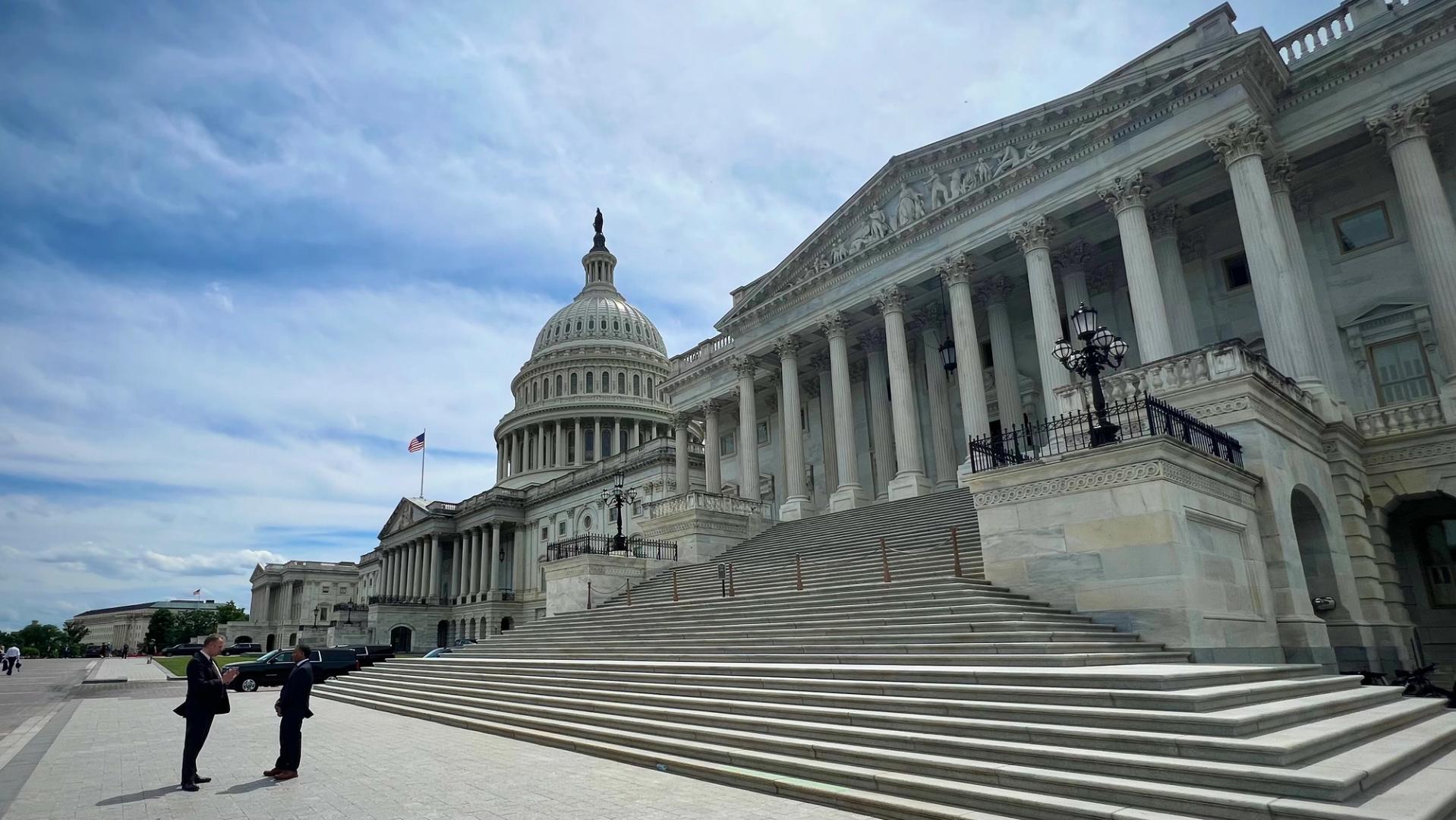
The halls of the Senate are about to go quiet. In about a week, the lawmakers who hold the keys to the future of domestic crypto regulation are packing their bags for summer recess. This happens every year, but the stakes feel different this time. We are looking at a calendar that is running out of white space, and the legislative priorities are piling up like unread emails in a founder's inbox.
The Clarity Act Bottleneck
At the top of the stack is the Clarity Act. If you have been building in the stablecoin space, you know this is the one we have been watching. It is supposed to provide the framework we need to operate without wondering if a regulatory agency is going to change the rules on us mid-stream. But with the August break looming, the window for meaningful debate is slamming shut.
The reality of DC is that if it does not happen before the break, it enters the danger zone of the fall election cycle. Once the campaign trail heats up, nuanced policy discussion usually dies. Politicians shift from being lawmakers to being candidates, and complex topics like digital asset infrastructure get replaced by soundbites that play well on the evening news.
Why Builders Should Care About the Delay
For most founders I talk to, the delay is more than just a scheduling conflict. It represents a lack of predictability. When you are trying to raise a seed round or a Series A, the first question VCs ask is about regulatory risk. When the Senate kicks the can down the road, they are effectively extending the period of uncertainty that keeps capital on the sidelines.
We are not asking for a free pass. We are asking for the rules of the road. Building in a gray area is exhausting and expensive. Every dollar spent on legal counsel to interpret vague statutes is a dollar that isn't going toward engineering or user acquisition. This stall in the Senate is essentially a tax on innovation.
The Political Gridlock Problem
It is easy to blame one side or the other, but the truth is that crypto is still struggling to find its permanent home in the legislative hierarchy. Is it a financial tool? Is it a national security issue? Is it a consumer protection problem? The Senate is trying to juggle all these perspectives while also dealing with the mundane tasks of keeping the government funded. Usually, the mundane tasks win, and the specialized stuff like crypto gets pushed to the next session.
This is where the skepticism kicks in. We have heard the promises of "soon" for three years now. Every time we get close to a vote or a committee mark-up, a new priority emerges or a recess begins. It starts to feel less like a timing issue and more like a lack of will.
What Happens in September?
If we do not see movement in the next few days, the focus shifts to the post-Labor Day rush. That period is notoriously chaotic. You have the end of the fiscal year, budget battles, and the looming shadow of the November elections. The chances of a complex piece of legislation like the Clarity Act getting clean floor time decrease significantly as we get closer to October.
For those of us on the building side, this means we have to prepare for another quarter of the status quo. The status quo means navigating a fragmented landscape where the SEC and the CFTC continue to move in their own directions because the legislative branch failed to provide a unified map.
Takeaway for Founders
Do not wait for Washington to save you. If your business model depends on a specific piece of legislation passing in the next six months, you need a pivot plan. The Senate's schedule is not designed for the speed of the tech industry. We have to build for the world as it is, not the world as the Clarity Act promises it could be.
- Audit your regulatory exposure: Assume no new laws will pass before 2027. If you can't survive that, change your architecture now.
- Watch the committee language: Even if a bill doesn't pass, the language used in committee often informs how regulators act in the interim.
- Stay lean: Regulatory uncertainty is a long-game challenge. Don't burn through your runway expecting a sudden burst of clarity from the Hill.
The Senate is going on break, but the market isn't. While the lawmakers are at the beach, the rest of us are still here trying to figure out how to build the future with one hand tied behind our backs. It is frustrating, but it is the reality of the game we chose to play.
The biggest risk to a crypto founder isn't a bad market; it's a slow government that refuses to define the finish line.
We will keep an eye on the final days of the session, but don't hold your breath. The clock is ticking, and the Senate seems perfectly happy to let it run out.
Read the original at CoinDesk →