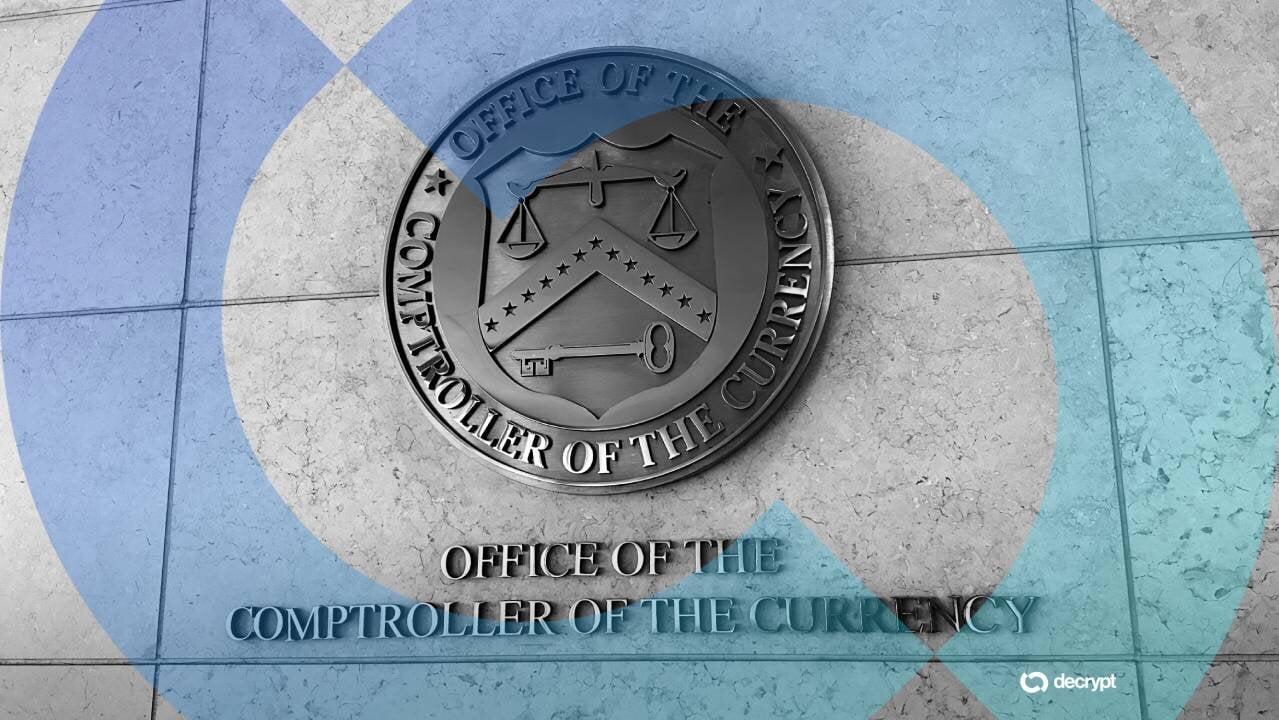
Jeremy Allaire and the team at Circle just achieved something that was previously considered a regulatory pipe dream. After years of navigating the exhausting maze of state-by-state money transmitter licenses, the company has officially secured its final approval from the Office of the Comptroller of the Currency (OCC) to operate as a national trust bank. This moves their USDC operation into the upper echelon of the American financial system.
For those of us building in the trenches, it is easy to dismiss this as just another corporate press release. But if you look at the mechanics, this is a massive structural shift. Circle isn't just a crypto company anymore; they are now a federally recognized financial institution with a seat at the big table. This transition directly impacts how liquidity moves between traditional banking and the decentralized web.
The End of the Patchwork Era
Until now, being a stablecoin issuer in the US was a legal headache. You had to have a license in almost every individual state, each with its own reporting requirements and capital mandates. It was inefficient, expensive, and frankly, a bit of a mess. By securing a national trust charter, Circle has effectively centralized its compliance under one federal roof.
This matters because it creates a blueprint. For years, the narrative from Washington was that stablecoins were "shadow banking." By becoming an actual bank, Circle has called that bluff. They are now operating under the same scrutiny as the heavy hitters, which removes a massive layer of systemic risk for the institutions that were previously afraid to touch USDC.
Why Builders Should Care About the Fed Move
If you are developing a DeFi protocol or a cross-border payment app, this changes your risk profile. When you integrate USDC, you are no longer relying on a company that is merely "trying its best" to follow state laws. You are relying on a federally chartered bank. That distinction is the difference between a project getting shut down by a random state regulator and a project having the backing of the national banking system.
We are seeing the professionalization of the bridge between fiat and on-chain assets. For builders, this means more reliable on-ramps and off-ramps. It means that the liquidity you are building your product around is less likely to be frozen or seized due to a regulatory misunderstanding. It provides a level of legal clarity that we simply haven't had since the inception of Ethereum.
The Founder Perspective: The Cost of Legitimacy
I tend to look at these developments with a healthy dose of skepticism. Yes, this is a win for legitimacy, but it comes at a price. Federal oversight means more surveillance. It means stricter KYC requirements and potentially more friction for the end user. Circle is playing the long game, betting that the future of finance is regulated, transparent, and integrated with the state.
As a founder, you have to decide which side of that line you want to be on. If you want to build truly permissionless systems, a federally chartered stablecoin issuer might eventually feel like a bottleneck. However, if your goal is to disrupt global remittances and bring the next billion users onto the rails of the internet, you need this kind of institutional infrastructure to exist.
What Happens Next?
- Increased Adoption: Traditional fintechs that were previously hesitant to hold stablecoins on their balance sheet now have a clear regulatory path to do so.
- Pressure on Competitors: Tether and other offshore issuers will face renewed pressure to prove their reserves or seek similar legitimacy if they want to retain US market share.
- Lobbying Power: Circle now has a much louder voice in DC. They aren't just lobbyists; they are a constituent of the OCC.
This isn't just about a stock price jump or a headline. It's about the plumbing of the internet being upgraded. We are moving away from the "Wild West" phase into the infrastructure phase. It might be less exciting for the degens, but for people building real-world applications, it is the stability we've been waiting for.
The real test will be whether Circle can maintain its speed while being weighed down by the heavy shackles of federal banking regulations.
We’ve seen what happens when tech companies become banks—they often stop innovating and start defending. I hope Circle keeps the builder-first mentality that got them here. Because while a charter is a great shield, it can easily become a cage that prevents the kind of agile development the crypto space requires to survive.
The Takeaway
The OCC approval is a signal that the US government is finally ready to integrate stablecoins rather than just fight them. For developers, this means USDC is now the safest bet for building applications that require a stable, USD-pegged asset with federal backing. The bridge is built; now we just have to see who chooses to cross it.
Read the original at Decrypt →