We just saw another massive token burn from the BNB Chain ecosystem. The headlines are screaming about a $1.2 billion reduction in supply for October. On the surface, that sounds like a massive win for holders and a sign of a hyper-deflationary engine firing on all cylinders. But if you are building in this space, you know that the headline numbers are usually the least interesting part of the story.
As someone who spends most of my time looking at how these protocols actually function, I find the dollar value of a burn to be a distraction. The $1.2 billion figure is largely a product of market price fluctuations rather than a sudden, massive spike in network utility or a change in the underlying burn logic. When we look at the raw number of tokens removed, the picture is a lot more modest.
The Math Behind the Curtain
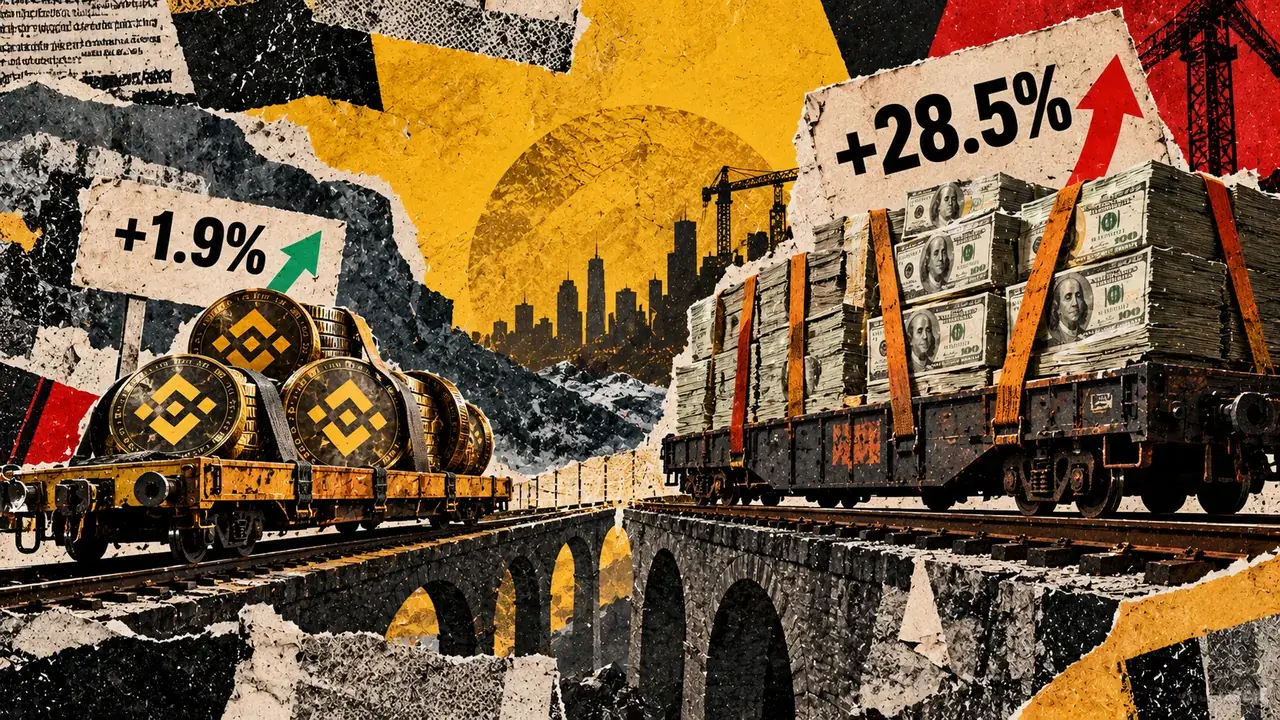
In October, the ecosystem retired roughly 1.77 million BNB tokens. Compared to the July burn, that is an increase of only about 30,369 tokens. That is a rounding error in the grand scheme of a multi-billion dollar ecosystem. The reason the dollar value jumped so significantly is simply because BNB is trading higher than it was a few months ago. We are seeing a valuation increase being marketed as a supply-side victory.
For founders, this is a lesson in optics versus mechanics. The Auto-Burn mechanism is doing exactly what it was programmed to do, but it is not accelerating in the way the dollar figures might suggest. The protocol calculates the burn based on price and the number of blocks produced. When the price goes up, the number of tokens burned actually tends to decrease to maintain a specific value target. It is a balancing act designed to prevent the supply from shrinking too fast while maintaining a deflationary trend.
What This Means for the BNB Ecosystem
If you are building on BNB Chain, you are likely there because of the low fees and the massive user base inherited from the Binance exchange. The burn is meant to create long-term sustainability and provide a psychological floor for the token. However, we have to ask ourselves if these burns are still the primary driver of value. In the early days, a billion-dollar burn would have sent the market into a frenzy. Today, it is just another Tuesday.
The real supply impact is actually quite hidden. A significant portion of these burns come from the "Real-Time Burn" mechanism, which destroys a percentage of gas fees spent on every transaction. This is the metric that builders should actually care about. It measures real on-chain activity. The Auto-Burn, while larger in volume, is more of a scheduled corporate accounting move than a reflection of daily network health.
The Founder's Perspective on Scarcity
I have seen a lot of projects try to use "burns" as a substitute for actual product-market fit. They think that if they just keep reducing the supply, the price will eventually have to go up. But scarcity without utility is just a slow-motion exit. BNB has the utility, which is why the burn matters, but we shouldn't get caught up in the hype of the fiat value.
The danger for developers is building on a platform where the underlying asset becomes too volatile or too focused on its own deflationary mechanics. If the goal of the network becomes purely about pumping the token through burns, the incentive to innovate on the tech side can wither. Fortunately, BNB Chain has managed to stay relevant by leaning into L2 solutions and storage, but the focus on these massive quarterly headlines feels a bit like legacy marketing.
Transparency and Reality
One of the biggest issues with these massive burns is the lack of immediate impact on the circulating supply that the average user can see. Because a lot of the tokens burned are often from vaults or addresses that weren't actively in circulation, the "impact" is more about preventing future inflation than it is about reducing current liquid supply. It is like a company cancelling treasury shares; it is good for the balance sheet, but it doesn't necessarily mean there is less stock available on the open market today.
We also have to consider the regulatory environment. Large-scale, centralized token burns are being looked at more closely by global regulators. When a central entity or a closely-linked set of validators decides to destroy billions of dollars in assets, it looks a lot more like a corporate buyback than a decentralized protocol function. For builders, this adds a layer of regulatory risk to the platform you choose to call home.
Building for the Long Haul
My takeaway for the founders reading this is simple: ignore the $1.2 billion headline. Look at the transaction volume and the unique active wallets on the chain. If those numbers are growing, the burn is a nice bonus. If those numbers are flat, no amount of token burning will save the ecosystem in the long run.
The real win for BNB in October wasn't the dollar value of the tokens destroyed. It was the fact that the network remained stable and continued to process millions of transactions without a hitch. The burn is just the tail wagging the dog. Keep your eyes on the dog.
The Bottom Line
The supply impact is there, but it is a slow burn—pun intended. We are looking at a system that is maturing. The days of 20% supply cuts are over. We are now in the era of incremental, programmed deflation. It is less exciting, but it is much more predictable for someone trying to build a business on top of this infrastructure. Just don't let the big numbers fool you into thinking the market dynamics have fundamentally shifted overnight.
Read the original at CryptoSlate →