The End of the Wild West
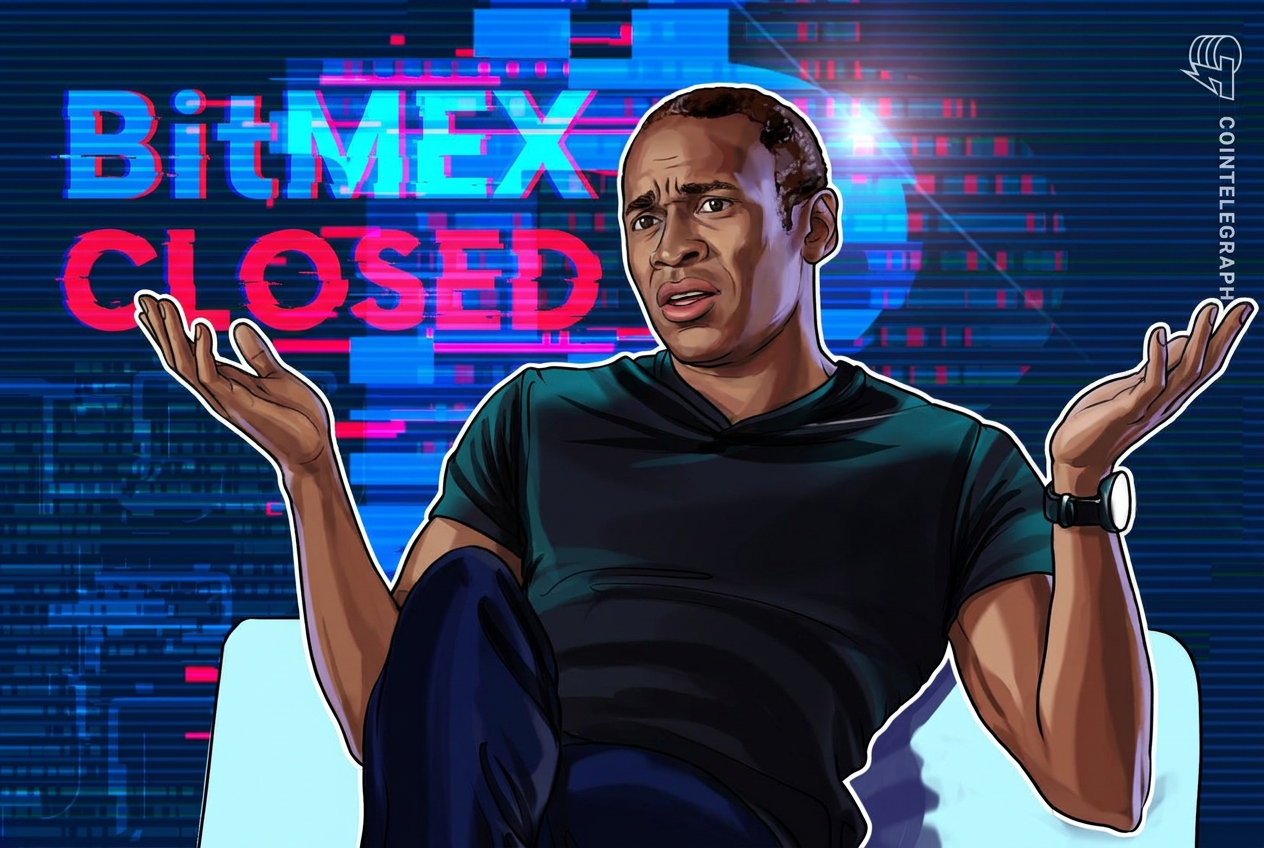
For those of us who have been in the trenches since the early days of Bitcoin, the name BitMEX carries a lot of weight. It wasn't just another exchange; it was the birthplace of the perpetual swap. It was the place where pioneers went to bet big, and often, to lose big. But the recent news of its shutdown isn't just a nostalgic moment for crypto veterans. It is a loud, clear signal that the era of the scrappy, offshore derivatives platform is effectively over.
We are witnessing a massive consolidation phase. The market is maturing, but it is doing so by tightening its grip. The exit of BitMEX isn't an isolated event. It is part of a broader trend where the costs of staying compliant are becoming so high that only the largest, most well-capitalized players can afford to keep their doors open. For builders and founders, this is a wake-up call about the shifting landscape of infrastructure and distribution.
The Cost of Staying Legal
Back in 2017, you could launch a platform with a good idea, some solid code, and a bit of luck. Today, you need a legal team that costs more than your engineering department. The regulatory burden has shifted from a light suggestion to a crushing requirement. Authorities in the US and abroad have made it clear that if you want to touch financial instruments, you play by their rules or you don't play at all.
BitMEX faced years of legal battles, fines, and leadership changes. This drained the treasury and, more importantly, the momentum. When you spend 80% of your cycles dealing with subpoenas and compliance audits, you aren't innovating. You aren't building new features that users want. You are just trying to survive. Eventually, the math stops working. This is the reality for any founder today building in the decentralized finance or exchange space: your biggest risk isn't a hack; it's a legal bill.
Institutional Gravity
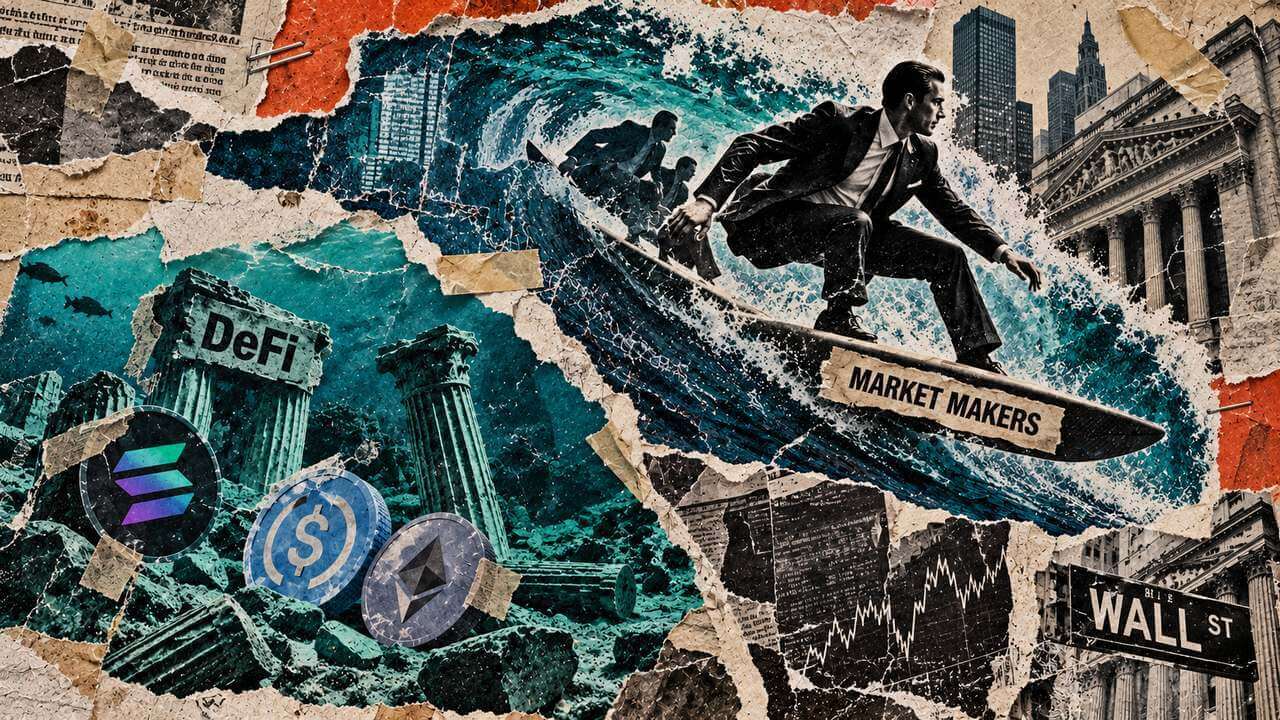
As the smaller or older players exit, the gravity of institutional giants like Binance, Coinbase, and even traditional finance entries like BlackRock grows stronger. Liquidity follows safety—or at least the perception of it. Licensed trading venues are becoming the only places where large-scale capital feels comfortable resting. This creates a feedback loop where volume migrates to a handful of giants, leaving the rest of the market to starve.
For a long time, the crypto ethos was about decentralization and breaking up monopolies. The irony is that we are currently building a new set of monopolies. Consolidation means less competition, and less competition usually means less innovation and higher fees for the end user. We are moving away from the chaotic diversity of the early days toward a sterile, corporate-friendly ecosystem.
What This Means for Founders
If you are a builder looking at this landscape, you have to be honest about your path. The "fly under the radar" strategy is dead. If you are building anything that involves moving money, you have to bake compliance into the product from day one. This isn't just about KYB or AML; it's about architecture. You have to decide if you are building a regulated service or a truly decentralized protocol that is permissionless at its core.
Hybrid models are increasingly dangerous. BitMEX tried to pivot, tried to get licensed, and tried to modernize its image, but the weight of its past and the speed of the market caught up. Founders need to realize that the middle ground is a trap. You are either a tech company providing tools, or you are a financial institution. Trying to be both without a billion-dollar bank account is a recipe for a slow death.
- Compliance is a product feature: Do not treat legal as an afterthought. It is as core to your product as your UI.
- Moats are harder to build: Network effects are moving toward those with the best regulatory standing, not just the best tech.
- Consolidation is an opportunity: As incumbents get larger and slower, there is room for lean, highly specialized niche players, but the mass market is currently being claimed.
The Changing Guard
The exit of BitMEX feels like the closing of a chapter in a book we all started reading a decade ago. It marks the transition from the "move fast and break things" phase to the "move carefully and document everything" phase. While this might make the space safer for institutional investors, it undeniably changes the spirit of the industry.
We shouldn't just look at this as one exchange closing down. We should look at it as the market signaling that the threshold for entry has moved from a garage-based startup to a corporate boardroom venture. The bar is higher, the stakes are more expensive, and the margin for error is essentially zero.
The Takeaway
The consolidation of the crypto market is accelerating because the cost of non-traditional operation is now higher than the reward of innovation. BitMEX’s departure is proof that even those who invented the game can't survive the new rules without a complete, and often impossible, transformation. Builders must focus on extreme specialization or total decentralization; trying to compete with the new regulated giants on their turf is a losing game.
Read the original at Cointelegraph →