The Yen Problem Is Now a Crypto Solution
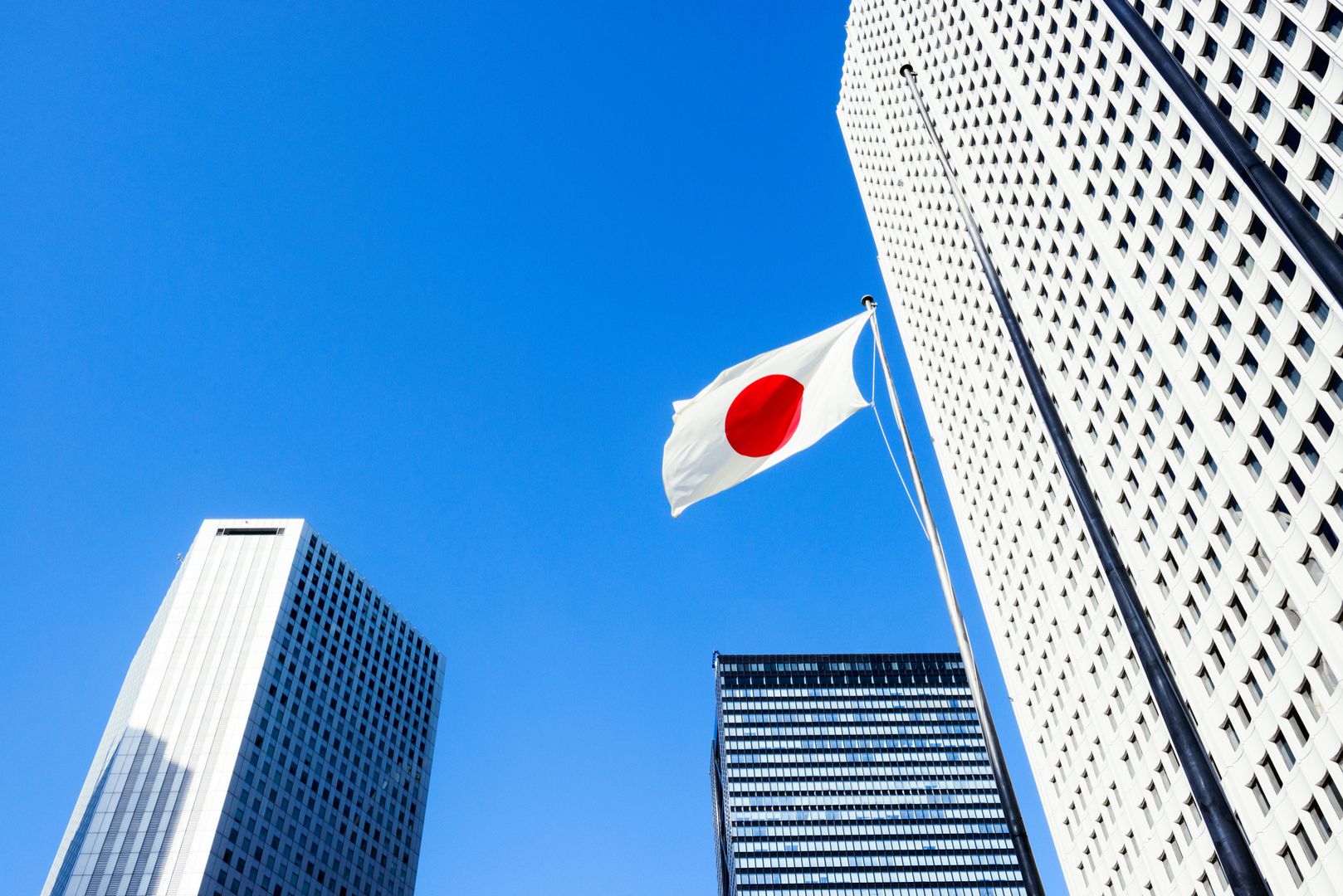
For decades, the Japanese corporate playbook was simple: hoard cash, avoid risk, and trust the stability of the yen. But that strategy has hit a wall. As the yen continues to lose its grip on purchasing power, Japanese firms are looking for an exit hatch. What started as a trickle of speculative interest has turned into a calculated treasury diversification strategy involving Bitcoin and, interestingly, XRP.
SBI VC Trade, a major player in the Japanese exchange space, recently crossed the two-million-account milestone. That number is impressive, but it is not just retail traders trying to catch a pump. The real story is the surge in corporate demand. When traditional finance institutions in a market as conservative as Japan start moving into crypto to protect their balance sheets, the rest of the world needs to pay attention.
Why Diversification Is No Longer Optional
Building a company in a high-inflation or high-devaluation environment is like trying to fill a bucket with a hole in the bottom. No matter how much profit you generate, the value of the units you are measuring that profit in is shrinking. Japanese boardrooms are feeling this pressure acutely. They are watching their domestic currency weaken against the dollar and other global benchmarks, which makes importing resources more expensive and diminishes the global value of their cash reserves.
For a founder, this is the ultimate wake-up call. We often talk about crypto as a way to build new decentralized apps or disrupt the middleman, but the most immediate use case for a business owner is capital preservation. If you can't trust the floor you're standing on, you move to higher ground. In Japan, that higher ground is increasingly looking like a mix of digital assets.
The Bitcoin and XRP Divide
Bitcoin is the obvious choice for treasury reserve. It has the track record, the institutional narrative, and the liquidity. It is the digital gold that every CFO can finally explain to their board without getting laughed at. But XRP’s prominence in the Japanese market is a specific regional nuance that builders should study. Japan has a long-standing relationship with Ripple through SBI Holdings, and the focus there is heavily weighted toward utility and cross-border settlement.
This tells us something important about market maturity. When firms choose their assets, they aren't just looking for price appreciation; they are looking for infrastructure they feel comfortable with. In Japan, the infrastructure for XRP is deeply integrated into the financial sector. For builders, the lesson is clear: accessibility and local partnerships often matter more than raw decentralized ideals when you are trying to onboard corporate capital.
The Multi-Asset Treasury Model
We are moving past the era where a company has a "Bitcoin strategy." We are entering an era of multi-asset treasuries. Japanese firms are not dumping all their yen for a single coin. They are diversifying. This is a sophisticated move that mirrors how a hedge fund operates, yet it is being executed by traditional manufacturing and service firms.
As a founder, I look at this and see a massive opportunity for tools that help manage these reserves. If corporate demand is rising, we need better reporting, better custody, and better tax compliance software that can handle the volatility of these assets without crashing the accounting department. The demand is there, but the bridge between a traditional bank account and a digital treasury is still under construction.
The shift in Japan isn't about hype or FOMO. It is a defensive maneuver by legacy companies that see the writing on the wall for fiat currency volatility.
What This Means for Global Builders
If you are building in the crypto space, don't just look at the North American or European markets. The real pressure cooker for adoption is in regions where the national currency is struggling. Japan is a prime example of a "stable" economy that is being forced to innovate out of necessity. This creates a vacuum that builders can fill.
We need to stop thinking about crypto users as just individuals with a mobile wallet. The next billion users might actually be ten thousand CFOs managing corporate treasuries. These users have different needs. They don't care about the latest meme coin; they care about security, transparency, and liquidity. They need to know that if they put 5% of their company's lifeblood into an asset, it will be there in five years.
The Skeptic's Corner
Of course, we have to stay grounded. Just because two million accounts are open doesn't mean every Japanese company is going "all in." There is still massive regulatory scrutiny, and a sudden rebound in the yen could slow this momentum. However, once a company goes through the legal and technical hurdle of adding crypto to its balance sheet, they rarely go back to zero. They have crossed the Rubicon.
The risk for these firms is no longer the volatility of Bitcoin; it is the certainty of the yen's decline. When the risk of doing nothing exceeds the risk of trying something new, that is when true adoption happens. We are seeing that tipping point in real-time in Tokyo.
The Founder's Takeaway
The transition from retail speculation to corporate utility is the most important trend of the year. If companies in one of the world's most disciplined financial markets are diversifying into Bitcoin and XRP, the "imaginary money" argument is officially dead. It is now a tool for survival.
For builders, the goal should be simplifying this transition. The more we can make crypto look and feel like a standard treasury asset, the faster this capital will flow. Stop building toys and start building the plumbing for the next generation of corporate finance. The yen's weakness is the builder's opportunity.
Read the original at CoinDesk →