The Architect of the Reserve
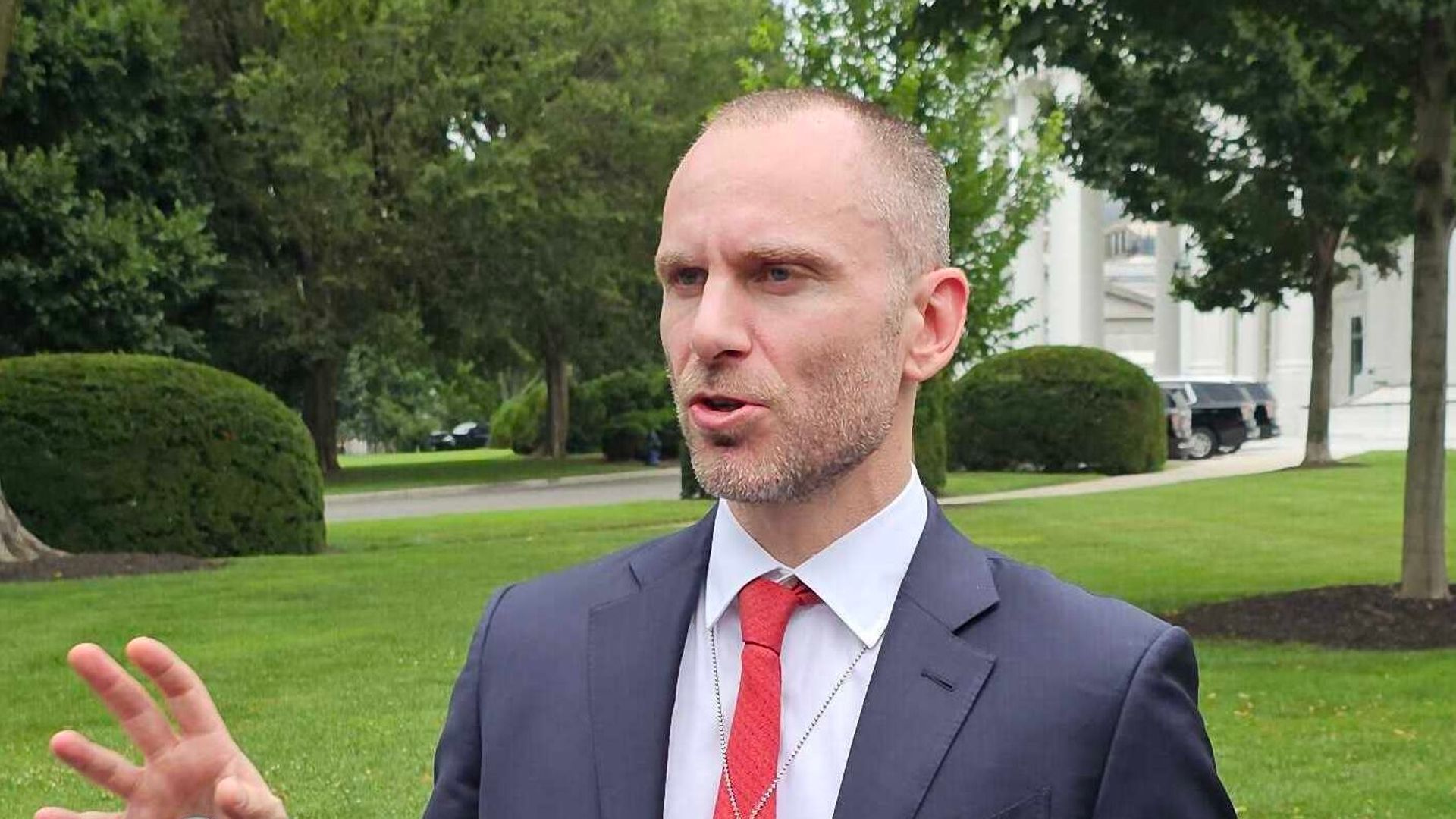
In the quiet corners of the crypto industry, where real power resides far from the noise of X threads and hype cycles, Tether remains the ultimate prize. It is the plumbing of the entire ecosystem. That is why the news that Richard Heathcote, the man who served as Tether’s investment chief, is reportedly looking to offload a piece of his equity is more than just a personnel update. It is a rare look at the cap table of a company that is essentially a money-printing machine.
Reports suggest Heathcote is working with PJT Partners to find buyers for a small fraction of his 1.26% stake. To those outside the finance bubble, 1.26% sounds like a rounding error. To anyone who has seen Tether’s quarterly profit reports, it represents a generational fortune. Following his transition to an advisory role, Heathcote is doing what any founder or early builder does when they reach a certain level of success: diversifying. But in the world of stablecoins, no move is ever just a move.
The Valuation Game
Tether is famously opaque. We get attestations, not audits. We get blog posts, not investor decks. Because they don’t need public capital, they don’t have to tell us what they are worth. However, a secondary sale like this sets a price. It creates a benchmark. If Heathcote finds a buyer at a specific valuation, that becomes the new floor for the most influential company in crypto.
For builders, this is the part to watch. Tether’s business model is incredibly simple and almost impossible to replicate now: take customer cash, buy U.S. Treasuries, and keep the interest. When interest rates are high, Tether is more profitable than most global banks with a fraction of the headcount. Heathcote was the one directing those flows. If he is selling now, is he hitting the exit because the peak is in, or is he just looking to fund his next play? In a world of over-leveraged startups, seeing an insider at the most liquid company in the space look for an exit—even a partial one—should make you pause.
Why This Matters for Founders
Most crypto founders are obsessed with tokens. We talk about tokenomics, vesting, and liquidity pools. But Tether is an equity story. It proves that the real wealth in this industry still follows the traditional rules of corporate structure and ownership. Heathcote’s stake is a reminder that the goal for many at the top isn't just to move the needle on a chart, but to own a piece of the infrastructure that the chart sits on.
If you are building a protocol today, you should be looking at the secondary markets for equity, not just your token price. The fact that high-tier investment banks like PJT are involved in moving a 1% stake in a crypto firm shows that the bridge between Wall Street and the stablecoin world is fully built. They aren't trading Memecoins; they are trading shares in a private powerhouse that rivals the net income of BlackRock.
The Risks of the Exit
There is a skeptical take here, too. Tether has spent years fighting off allegations about its reserves and its links to various banking jurisdictions. While the company has consistently proven the doubters wrong by honoring every redemption, an insider selling can sometimes be interpreted as a lack of confidence in the long-term regulatory environment. We know the U.S. government has a target on the back of any dollar-denominated stablecoin it doesn’t directly control.
Does Heathcote see a regulatory wall coming? Or is the secondary market just finally liquid enough that he can actually pull meaningful cash out without crashing the boat? For a builder, the lesson is clear: build something so indispensable that your 1% stake is worth a phone call to a major investment bank. Tether has managed to become the reserve currency of the shadow banking system, and this sale is the first real look we've had at the private cost of that success.
The Secondary Market Signal
We are entering an era of "Crypto Maturity." That doesn't mean the volatility is gone, but it means the people who built the first decade of this stuff are looking for their exits. We saw it with Coinbase's IPO, and we are seeing it with secondary sales from early employees at Opensea, Chainlink, and now Tether. This is a healthy sign, but it changes the incentives. When the people who know where the bodies are buried start selling their shares, you have to ask what they know about the next five years that you don't.
The play for builders here isn't to mirror the sell-off, but to understand the valuation. If Tether is valued at $100 billion or $150 billion in these private circles, it sets the ceiling for every other fintech play in the space. It tells you exactly how much the market is willing to pay for a company that facilitates global, permissionless value transfer.
The Builder's Takeaway
Don't get distracted by the headline numbers. Focus on the structure. This is a story about equity, influence, and the transition from operator to advisor. Heathcote isn't dumping; he's rebalancing. But for the rest of us, it should serve as a wake-up call that the real winners in crypto aren't the ones riding the 100x moonshots, but the ones who own the toll booths on the highway.
The most valuable thing you can build in this industry isn't a better token; it's a piece of infrastructure that people are forced to use every single day.
As this sale progresses, we will likely hear whispers of the valuation. That number will tell us more about the future of the crypto economy than any CPI print or Fed meeting. It represents the private market's conviction in the longevity of the USDT experiment. If the demand is high for Heathcote's stake, the stablecoin wars are just getting started. If the interest is lukewarm, it might be time to wonder if the peak of the Tether era is already behind us.
Read the original at CoinDesk →