The Decoupling is Real
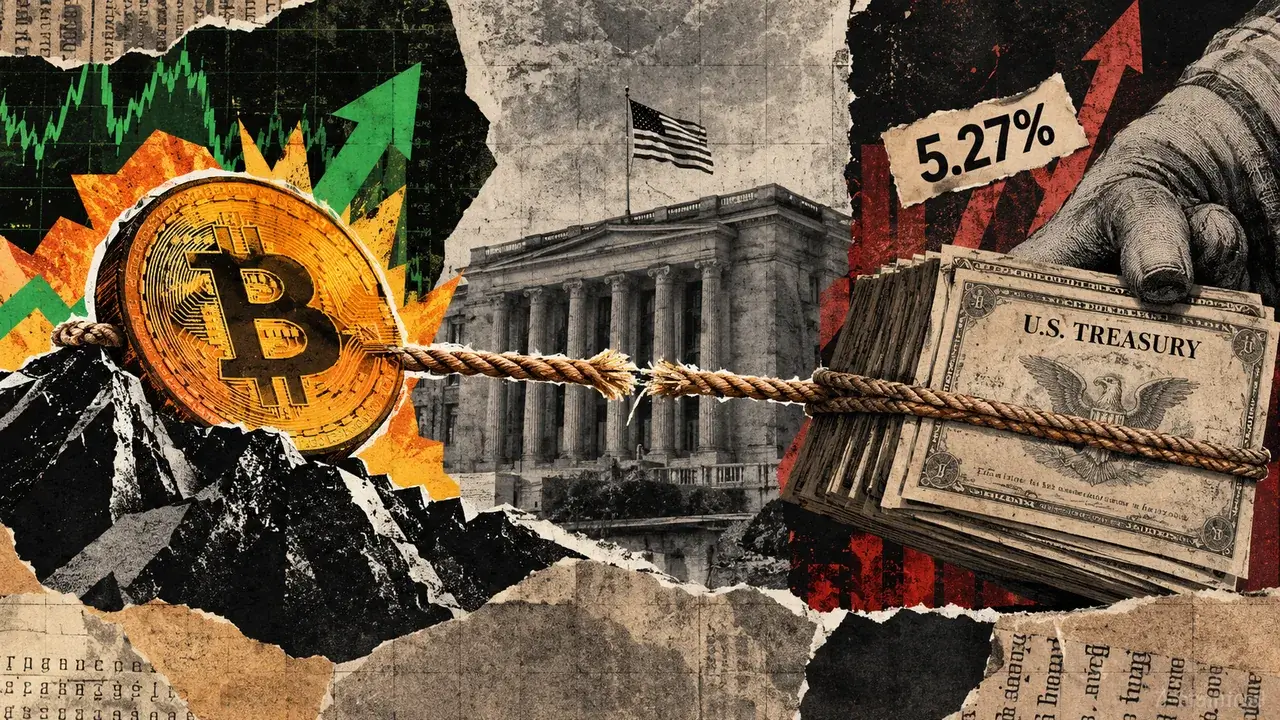
For years, the manual for trading Bitcoin was simple: watch the 10-year Treasury yield. When yields went up, Bitcoin went down. It was the classic risk-off signal. But since the launch of the spot ETFs in January 2024, that correlation hasn't just weakened—it has practically shattered. We are looking at an asset that has surged over 84% in less than two years, even as nominal and real yields climbed to levels that usually crush speculative tech and non-yielding assets.
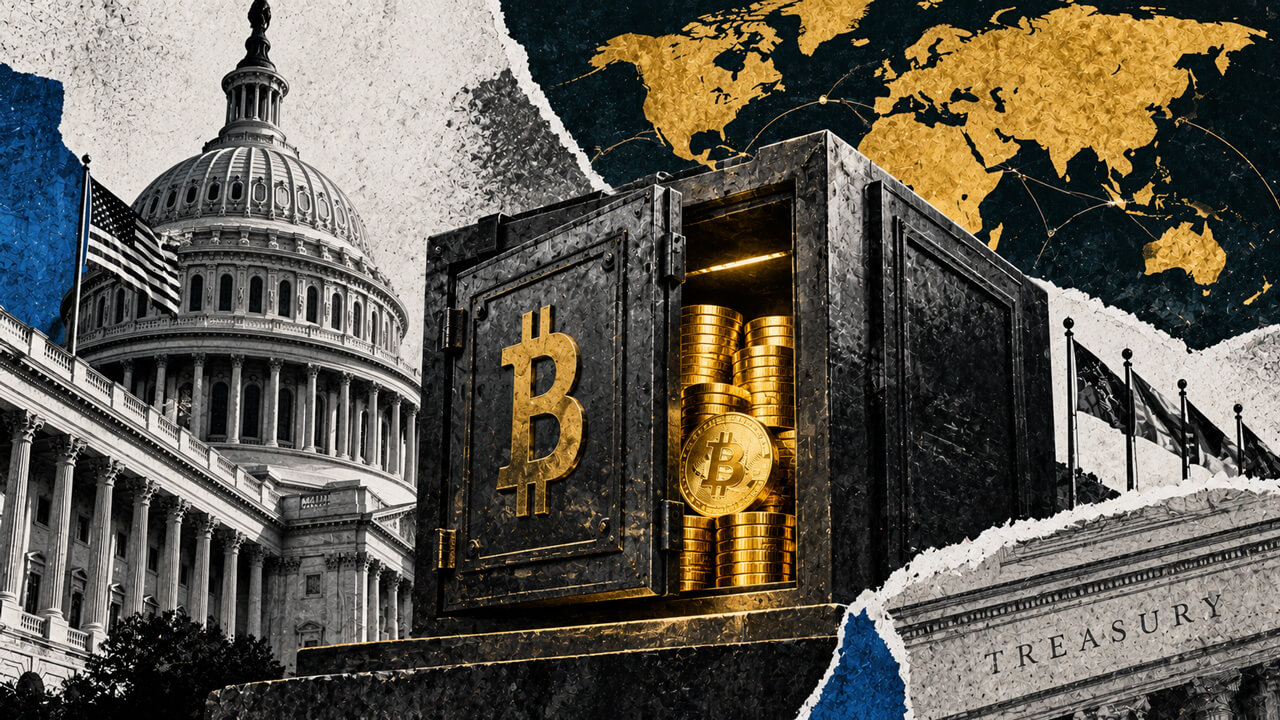
As a founder, you have to look past the price action. The real story here is the structural shift in who owns this asset and how they value it. We are no longer just looking at a playground for retail leverage. We are looking at institutional integration that treats Bitcoin as a distinct bucket, separate from the standard 'inflation hedge' or 'tech proxy' labels.
The ETF Effect and the Yield Gap
Before the ETFs, Bitcoin acted like a high-beta version of the Nasdaq. It was extremely sensitive to the cost of money. If the Fed signaled a 'higher for longer' stance on rates, capital fled to the safety of government debt. Why bet on a volatile digital coin when you could get 5% guaranteed from Uncle Sam? That was the logic.
But the data from early 2024 through late 2026 tells a different story. Even as the 10-year Treasury yield fluctuated and remained stubbornly high, Bitcoin kept grinding up. The 84.2% gain recorded since the ETF launch baseline isn't just a rally; it is a declaration of independence from the traditional interest rate cycle. The entry of BlackRock, Fidelity, and other institutional giants has provided a floor of persistent, programmatic buying that doesn't care about the daily fluctuations in the bond market.
What This Means for Web3 Builders
If you are building a protocol or a startup in this space, you need to stop waiting for a Fed pivot to justify your roadmap. The old excuse that 'the macro environment is too tough' is losing its teeth. If Bitcoin can nearly double while yields are north of 4%, it means liquidity is finding its way into the ecosystem regardless of what the central banks are doing.
This should change how you think about your runway and your fundraising. You aren't just competing with other crypto projects; you are competing in a world where capital is expensive but still hungry for asymmetric upside. The bar for 'utility' is higher because the alternative—sitting in Treasuries—is actually profitable for once. Your product has to be better than a 5% risk-free return.
The Institutional Persistence
Why didn't Bitcoin crash when yields rose? Because the buyers have changed. The ETF holders aren't checking the price every five minutes on their phones. Much of this capital is managed, rebalanced, and allocated as part of a 1% or 2% portfolio slice. This creates a type of 'sticky' demand that we haven't seen in previous cycles. It's less about 'number go up' and more about 'portfolio diversification.'
We are seeing Bitcoin evolve into a permanent fixture of the global financial architecture. When the treasury yields rise, it used to signal a tightening of the belt. Now, it seems to signal a growing distrust in the long-term stability of sovereign debt, which actually drives more interest toward decentralized alternatives. It is a paradoxical shift, but one that is clearly visible in the price data.
The Skeptic's Corner: Is This Sustainable?
I’m always a bit wary when people say 'this time is different.' The 84% gain is impressive, but we shouldn't assume the correlation with yields is gone forever. If we see a true liquidity crunch—the kind where everyone rushes for the exits at once—Bitcoin will still feel the heat. A high-yield environment still puts pressure on the disposable income of the retail crowd, which is the lifeblood of most dApps and consumer-facing crypto products.
However, the fact that we haven't seen a massive drawdown despite the 'Treasury hurdle' suggests that the market's perception of risk has shifted. Bitcoin is increasingly seen as the 'least bad' option in a world of debased fiat currencies and ballooning national debts.
Strategy for the Next Phase
For founders and investors, the takeaway is clear: ignore the macro noise and focus on the micro fundamentals. The decoupling gives us a unique window to build without being constantly held hostage by the next CPI print or FOMC meeting. The market has shown it is willing to pay a premium for digital scarcity even when traditional debt is paying well.
- Focus on product-market fit: You can no longer rely on a rising tide to lift your boat. You need actual users.
- Diversify your treasury: If Bitcoin is decoupling from bonds, your startup's balance sheet should reflect that reality.
- Watch the ETF flows: These are now a better indicator of market health than the 10-year yield.
The decoupling of Bitcoin from Treasury yields is the most important macro development for crypto in the last five years. It marks the transition from a speculative experiment to a legitimate asset class.
We are moving into a period where the 'digital gold' narrative is being tested in real-time against high interest rates. So far, the digital gold is winning. But as builders, our job isn't to cheer for the price; it's to build the infrastructure that makes that price sustainable. If the asset can thrive in a high-rate environment, the applications built on top of it need to show the same resilience.
The era of cheap money is over, but the era of crypto growth is clearly not. That is a tough environment for the weak, but a massive opportunity for founders who know how to manage capital and build for the long term.
Read the original at CryptoSlate →